
Dining out offers a break from cooking and a chance to enjoy expertly prepared dishes. We often assume restaurant meals are made entirely from scratch using fresh ingredients. However, many restaurants utilize pre-made components or frozen items to manage costs, ensure consistency, and speed up service, especially for certain dishes. While this isn’t always bad, knowing which menu items frequently involve shortcuts can help manage expectations about freshness or value. It might even influence your ordering decisions. Here are ten popular restaurant foods often prepared using frozen or pre-made ingredients.
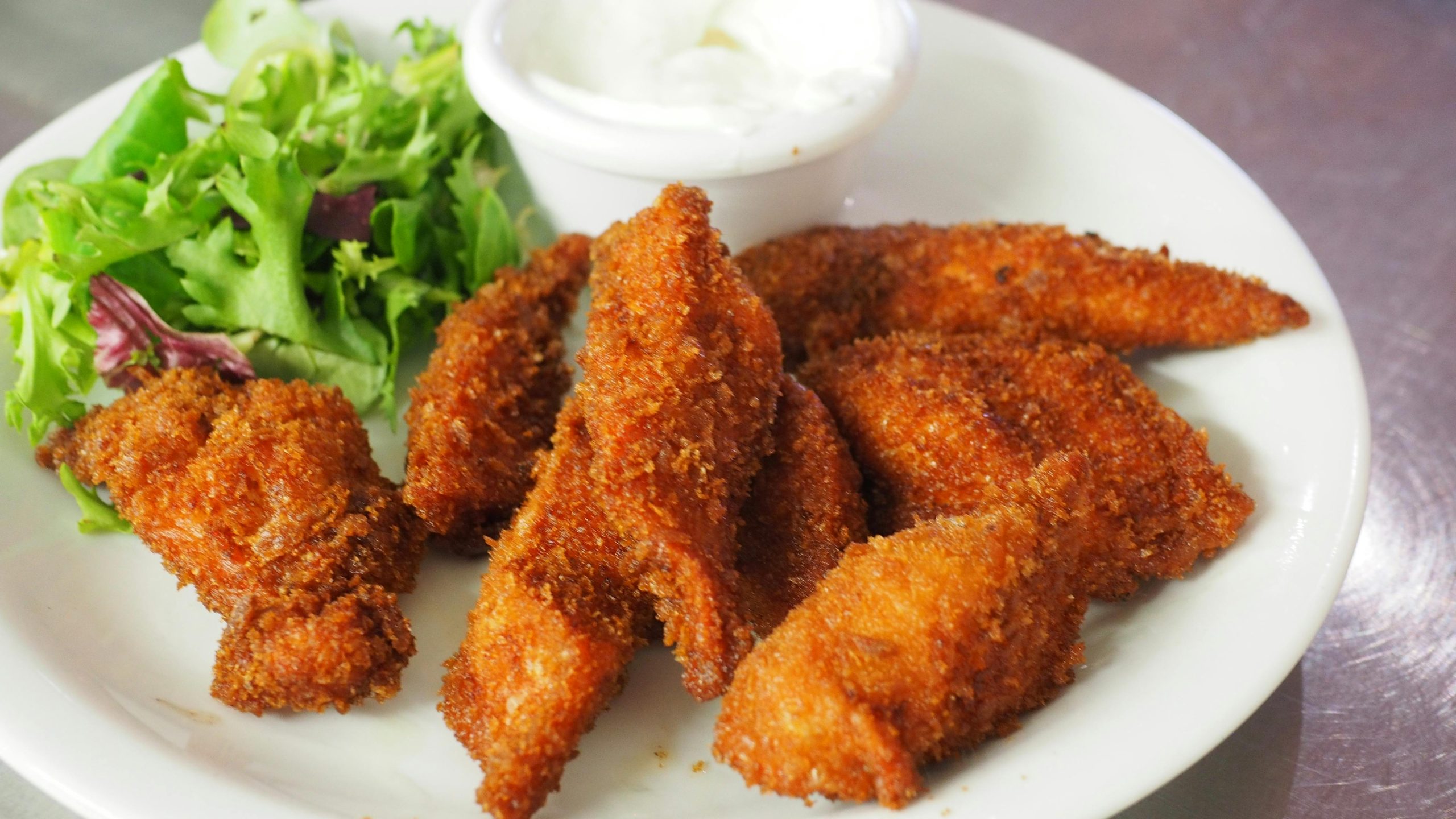
1. Many Appetizers
Deep-fried appetizers like mozzarella sticks, jalapeño poppers, onion rings, and even items like spring rolls or potstickers are frequently purchased frozen in bulk by restaurants. Preparing these items consistently from scratch is labor-intensive. Using standardized frozen products ensures uniformity in size and taste, and allows for quick frying to order. While convenient for the kitchen, you’re often paying a significant markup for an item similar to what you could buy in the frozen aisle at your grocery store.
2. Most French Fries
Unless a restaurant specifically advertises “hand-cut” or “fresh-cut” fries, assume they are using pre-cut, frozen French fries. Processing potatoes from scratch is time-consuming and requires specific equipment. Frozen fries offer consistency in shape, texture, and cooking time. They are delivered in large bags and simply deep-fried as needed. While some frozen fries are high quality, they lack the unique character and taste variability of fries cut fresh in-house from whole potatoes.
3. Soups
Making soup stocks and large batches of soup from scratch daily requires significant time and kitchen space. Many restaurants, particularly chains or those without a strong culinary focus, rely on pre-made soup bases (often concentrated pastes or liquids) or fully prepared frozen soups. Cream-based soups and rotating “soups of the day” are common candidates for using these convenience products. While perhaps customized slightly in-house, the core flavor often comes from a commercial base rather than slow-simmered stock.
4. Pasta Dishes with Complex Sauces (e.g., Alfredo, Bolognese)
While pasta itself might be cooked fresh (or sometimes pre-cooked and reheated), complex sauces demanding long simmer times are often made in large batches and frozen, or purchased pre-made. Rich meat sauces like Bolognese, creamy Alfredo, or certain specialty pesto sauces fall into this category. This ensures consistency and speeds up order times. However, the flavor might lack the depth or freshness of a sauce truly made à la minute or simmered slowly that day, specifically for service.
5. Many Desserts (Cheesecakes, Lava Cakes, Tiramisu)
Creating intricate desserts from scratch requires specialized pastry skills and dedicated kitchen resources that many restaurants lack. It’s extremely common for restaurants to buy high-quality frozen desserts from commercial suppliers. Items like cheesecakes, molten lava cakes, tiramisu, crème brûlée (often just needing torching), and many pies or layer cakes are frequently delivered frozen and simply thawed and plated for service. While often delicious, recognize you’re paying restaurant prices for a commercially produced dessert.
6. Breaded Chicken or Fish Items
Similar to appetizers, items like chicken tenders, breaded fish filets for sandwiches, or fish and chips, or even breaded chicken patties for parmigiana, are often purchased pre-breaded and frozen. This standardizes portion size, coating, and cooking time. Breading chicken or fish from scratch consistently in a busy kitchen is challenging. Using frozen, pre-breaded products streamlines operations significantly. Again, the quality can vary, but it’s typically comparable to high-end frozen grocery options.
7. Mashed Potatoes
Making creamy mashed potatoes from whole potatoes consistently for large volumes takes considerable labor (peeling, boiling, mashing). Many casual dining restaurants or large catering operations utilize dehydrated potato flakes (instant mashed potatoes) or pre-made refrigerated or frozen mashed potatoes. These products are simply reconstituted or reheated. While technology has improved their taste, discerning palates can often detect the difference compared to potatoes mashed fresh from scratch with real butter and cream.
8. Hollandaise Sauce
Classic Hollandaise sauce, essential for Eggs Benedict, is notoriously tricky to make correctly from scratch (emulsifying egg yolks, butter, lemon juice) and hold safely due to temperature sensitivity. Consequently, many brunch spots or diners rely on powdered Hollandaise mixes or pre-made liquid versions that are simply heated or blended. This ensures consistency and avoids the risk of the sauce breaking or safety issues, but it often lacks the delicate flavor and texture of authentic, freshly made Hollandaise.
9. Crab Cakes
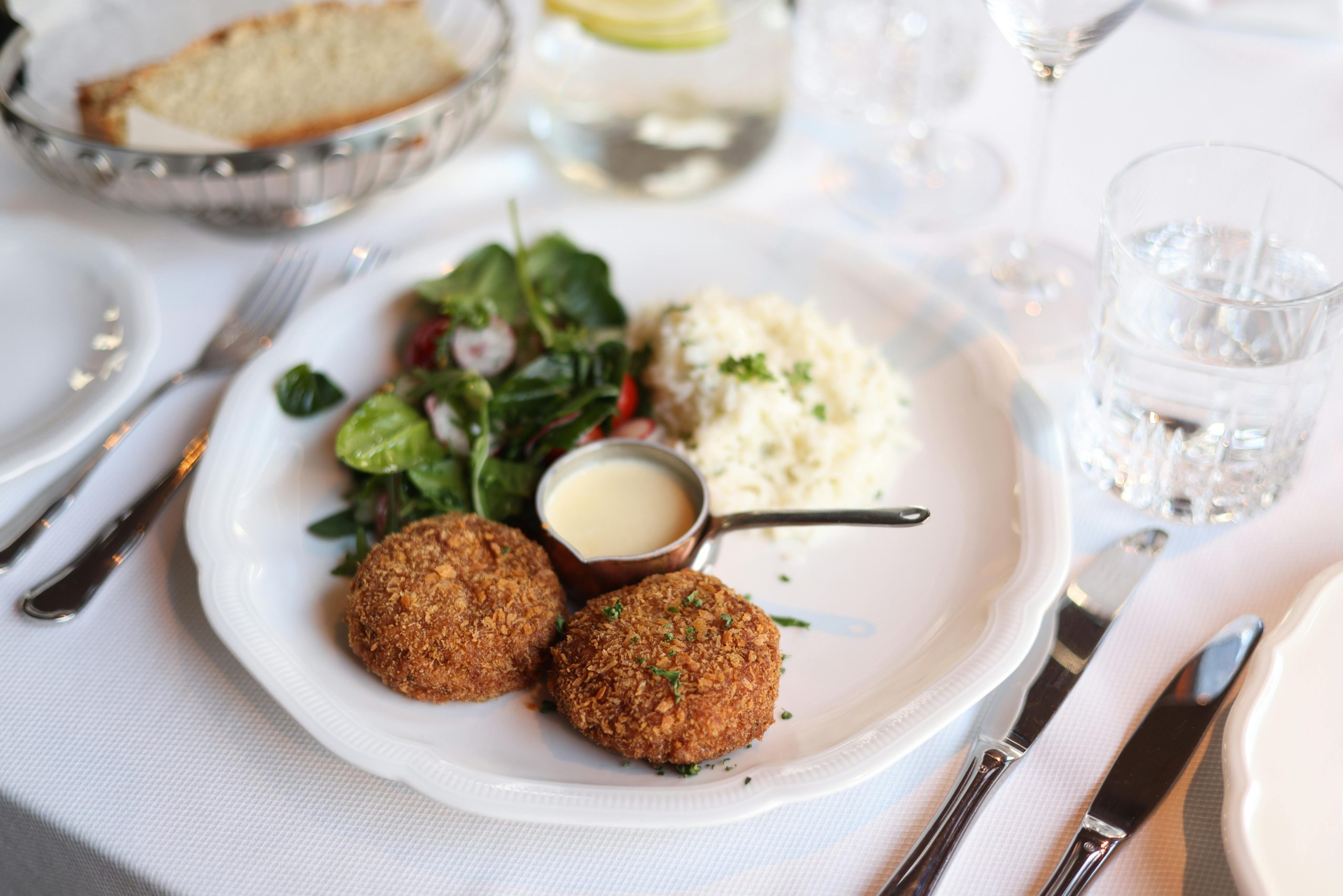
Authentic crab cakes made with fresh, lump crab meat are expensive and labor-intensive. Many restaurant crab cakes, especially lower-priced versions or appetizers, use frozen crab meat (which can affect texture) and incorporate significant amounts of filler like breadcrumbs or mayonnaise to stretch the crab meat. Some might even use imitation crab (surimi). While potentially still tasty, be aware that the crab content and freshness might not match expectations based solely on the menu description, especially at lower price points.
10. Vegetarian Burgers
While some restaurants craft unique veggie burgers in-house, many rely on commercially produced frozen vegetarian or vegan patties. Brands like Impossible Burger or Beyond Meat are common, offering consistency and broad appeal. Other times, simpler frozen black bean or vegetable patties are used. Using pre-made patties simplifies inventory and preparation significantly compared to consistently developing and producing unique recipes. Unless specified as “house-made,” assume a veggie burger likely uses a quality frozen commercial product.
Managing Expectations When Dining Out
Restaurants operate under time and cost pressures, leading many to utilize high-quality frozen or pre-made ingredients for certain dishes. This ensures consistency, speeds service, and controls costs. Items like fried appetizers, fries, complex sauces, many desserts, breaded proteins, and sometimes mashed potatoes or Hollandaise frequently involve these shortcuts. While often tasty, knowing this helps manage expectations about “scratch-made” freshness and value. If true scratch cooking is important; ask your server or choose dishes less likely to involve pre-made components, like simple grilled items or fresh salads.
Read More
5 Frozen Dinners Nutritionists Often Advise Against
The Worst Pre-Made Dinner Foods You Can Buy at the Grocery Store