
Image source: shutterstock.com
If you’ve noticed your “regular” grocery run creeping up week after week, you’re not imagining it. The easiest way to fight a price hike isn’t extreme couponing or panic buying—it’s stocking up calmly on items you already use when they hit a true low. The trick is to focus on products that store well, have predictable sales cycles, and save you money when you buy them ahead of time. You’ll also want a mix of pantry, freezer, and household staples so your stockpile actually supports real meals and real life. Here are 11 smart items to stockpile before the next price increase catches your budget off guard.
1. Coffee And Tea Basics
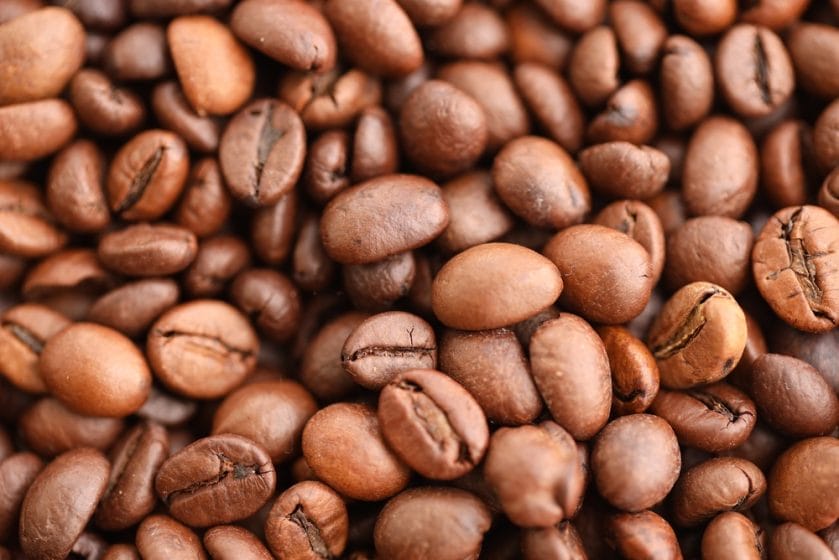
Coffee prices feel like they jump overnight, and running out forces you to pay whatever the shelf says. Stock up when you see a genuine deal and store extras in airtight containers to protect flavor. Whole beans last longer than ground coffee, so they’re often a better stockpile choice. If you drink tea, buy larger boxes during promos because the unit price is usually much better. This is one of the easiest categories to cushion a price hike without taking up much space.
2. Rice And Dry Pasta
Rice and pasta are classic “stays good forever” staples that help you build meals fast. A few extra bags can carry you through weeks when fresh items get expensive. Store them in sealed containers to keep pests out and freshness in. These basics also pair with whatever protein is on sale, which keeps your meal plan flexible. Stocking these now helps you avoid paying full price during the next price hike wave.
3. Canned Tomatoes And Tomato Sauce
Tomato products are meal makers, and they disappear quickly when you’re cooking on a budget. They turn beans into chili, ground meat into pasta sauce, and veggies into soup. Watch for price drops on store brands because they’re often the best value. Keep a mix of diced tomatoes, crushed tomatoes, and sauce so you’re not stuck improvising every time. A small tomato stockpile makes it easier to ride out a price increase without changing how you cook.
4. Beans And Lentils
Beans and lentils are cheap protein, and they stretch expensive meat when you need them to. Dried bags are the best value, but canned beans are still worth stocking when you catch a sale. Keep variety so meals don’t feel repetitive, like black beans, chickpeas, kidney beans, and lentils. They also work in soups, tacos, salads, and pasta dishes, so you’ll actually use them. This is a smart place to prepare for a price hike because it protects both your budget and your nutrition.
5. Oats And Breakfast Staples
Oats are a budget powerhouse, and they also work beyond breakfast. You can bake with them, use them in meatloaf, or blend them into smoothies. Buy the big tubs instead of small packets to get the best unit price. Pair oats with shelf-stable add-ons like peanut butter, cinnamon, and dried fruit when those items are on sale. Breakfast gets expensive fast during a price hike, so this stockpile pays off quickly.
6. Cooking Oils You Use Every Week
Oil is one of those items that quietly gets pricier and then stays there. Keep a backup of your main cooking oil, whether that’s canola, vegetable, or olive oil, so you don’t get trapped paying full price. Store oil in a cool, dark place so it stays fresh. If you use olive oil, consider buying a larger bottle when the unit price drops. A little planning here can soften a price increase more than you’d expect.
7. Frozen Vegetables And Fruit
Frozen produce helps you keep meals healthy without the risk of fresh food waste. It’s also a lifesaver when fresh prices spike or quality is terrible. Stock staples like broccoli, spinach, mixed veggies, and berries so you can cover sides, smoothies, and quick stir-fries. Watch for multi-buy deals and store-brand promotions, which often beat fresh prices by a mile. Frozen foods give you flexibility during a price hike because you can skip overpriced produce without losing variety.
8. Chicken, Ground Meat, Or Your Main Freezer Protein
Protein is usually where the grocery bill hurts most, so stocking up here can create the biggest savings. Buy family packs only when the price is truly low, then portion and freeze immediately. Label packages with dates so you actually use them instead of forgetting them. If you prefer plant-based proteins, stock tofu when it’s on promo and freeze it for later use. A well-managed freezer is your best weapon against a price hike.
9. Cheese That Freezes Well
Cheese can be expensive, but shredded and block cheese often freeze well for cooking. Stock up during a real sale, then portion it into smaller bags so you thaw only what you need. Use frozen cheese for casseroles, tacos, pasta bakes, and soups where texture isn’t as picky. If you buy pre-shredded, check the unit price because blocks are often cheaper. This is a comfort-food category that helps you keep meals satisfying during a price increase.
10. Paper Goods And Laundry Essentials
Household staples can jump in price without warning, and you don’t get a choice about needing them. Stock up on toilet paper, paper towels, detergent, and dish soap when you see solid discounts or coupon stacks. Store them high and dry so they don’t become cluttered or get damaged. This also reduces emergency runs to the store, which often lead to impulse buys. A small household stash protects you from a price hike outside the food aisle.
11. Over-The-Counter Basics You Always Buy
OTC items like pain relievers, allergy meds, and cold medicine are expensive when you need them fast. Buy them during promotions and keep a simple home stock so you’re not paying premium prices at the worst moment. Check expiration dates and rotate older items to the front. Store brands often match the active ingredients for less, so compare labels instead of buying by habit. This category is an underrated way to avoid a price hike hitting you at the worst time.
The Smart Stockpile Plan That Doesn’t Become Clutter
Stockpiling works best when it’s calm, organized, and tied to your real habits. Set a limit for each category, like “two backups” for pantry items and “one month ahead” for freezer proteins. Track what you have so you don’t rebuy the same things and accidentally waste money. Focus on unit price and sale timing, because a stockpile only beats a price hike when you bought at a true low. When you build your stash with intention, you’ll feel prepared, not overwhelmed.
What’s one item you always end up paying full price for because you run out at the worst time?
What to Read Next…
Best and Worst Foods to Buy in Bulk
Warning 4 Signs Your Local Store Is Price Gouging on Basics
10 Bulk Grocery Items That Often Come With Hidden Coupons
8 Grocery Staples Stores Are Shrinking Without Lowering Prices
