
Image Source: Shutterstock
We’ve all walked into the grocery store with a list—and walked out with sticker shock. But what if your list started with the savings instead of the cravings? That’s the magic of a “deal-first” grocery list: it flips the script and puts your wallet in charge. With just five focused minutes, you can build a list that saves you $50 or more every week—without sacrificing your favorite meals. Let’s break down how to make this fast, flexible, and surprisingly fun strategy work for you.
1. Start With the Weekly Ad, Not the Recipe
Before you even think about what you want to eat, check what’s on sale. Most grocery stores release their weekly circulars online every Wednesday or Thursday. Focus on the front page—that’s where the biggest loss leaders (deep discounts meant to lure you in) are featured. These are your starting points: proteins, produce, and pantry staples that are priced to move. Build your meals around these deals instead of trying to force full-priced ingredients into your budget.
2. Use a Digital Coupon App to Stack Savings
Once you’ve spotted the best sale items, it’s time to double down. Open your favorite digital coupon app—like Ibotta, Fetch, or your store’s own app—and search for matching offers. Many stores now allow you to stack manufacturer coupons with store sales and cash-back rebates. This is where the real magic happens: a $4 pack of chicken thighs on sale for $2.50, plus a $1 rebate, means you’re paying just $1.50. That’s how your “deal-first” list starts turning into real dollars saved.
3. Build Flexible Meals Around What’s Cheap
Now that you know what’s on sale, it’s time to get creative. Instead of planning for “chicken parmesan,” think “chicken-based dinner” and see what you can do with what’s cheap. If ground turkey is half off, maybe it’s taco night instead. If broccoli and mushrooms are BOGO, stir-fry just made the cut. The key is to stay flexible and let the deals guide your menu—not the other way around.
4. Add Fillers and Stretchers to Maximize Value
Once you’ve got your core proteins and produce, fill in the blanks with budget-friendly stretchers. Think rice, pasta, beans, tortillas, eggs, and frozen veggies—items that are cheap, versatile, and often on sale themselves. These ingredients help you turn one main item into multiple meals. For example, a $5 pork roast can become tacos, sandwiches, and a rice bowl with the right fillers. This is how you stretch your savings across the entire week.
5. Write It Down and Stick to It
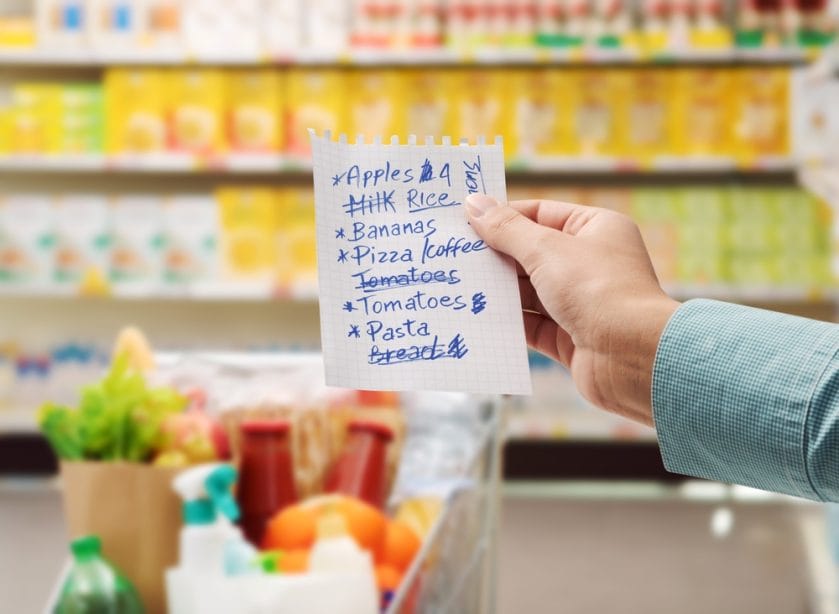
Now that you’ve got your deals, your meals, and your stretchers, it’s time to make it official. Write your list in the order of the store layout to avoid impulse buys and backtracking. Include quantities and brand names if you’re using specific coupons or rebates. Bring your list, your app, and your resolve—and don’t stray unless you find an unadvertised clearance gem. A focused list is your best defense against budget busters and last-minute temptations.
The Secret Sauce: Make It a Weekly Ritual
The real power of a “deal-first” grocery list comes from consistency. Set a five-minute timer every week—maybe Sunday night or Monday morning—and make it a non-negotiable habit. Over time, you’ll get faster at spotting patterns, predicting sales, and building meals on the fly. You’ll also start to stock up strategically, grabbing extra when prices hit rock bottom. It’s not just about saving money—it’s about shopping with confidence and control.
Do you build your grocery list around deals, or do you shop by recipe? Share your favorite savings strategy in the comments—we’d love to hear how you stretch your grocery budget!
What to Read Next
How to Build a Grocery List That Maximizes Deals
Best Grocery Store Apps for Digital-Only Coupons and Deals
Do Shoppers Score Better Deals at Small Grocers or Big Chains?