
Image source: shutterstock.com
The produce aisle looks like the healthiest part of the store, but it can also be one of the easiest places to overpay and waste food. Bright lighting, neat displays, and “fresh” signs make everything feel like a smart choice, even when it’s not the best value. If you’ve ever brought home beautiful produce and then watched it wilt, mold, or get forgotten in the drawer, you already know how fast good intentions turn into money in the trash. The goal isn’t to skip fruits and veggies—it’s to shop them with the same strategy you use for everything else. These six items are the most common budget traps, plus easy swaps that keep your cart healthier and cheaper.
1. Pre-Cut Fruit That Costs Double (Or More)
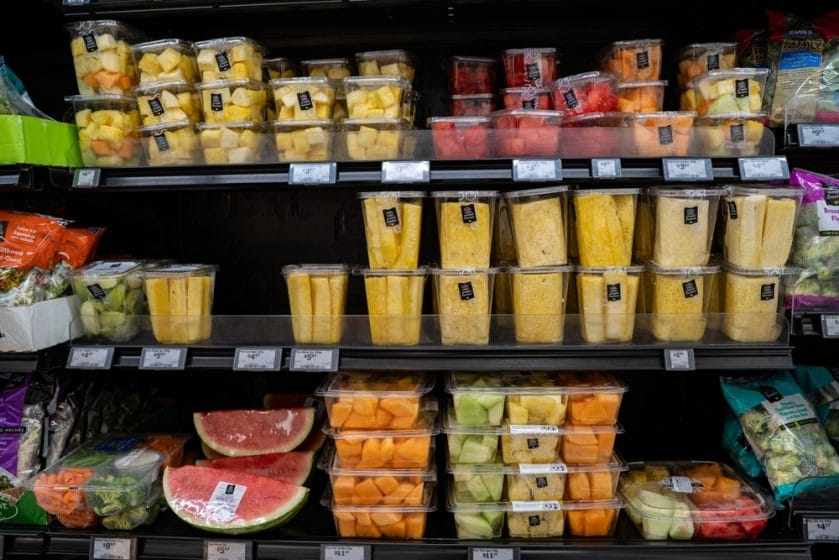
Pre-cut melon, pineapple, and mixed fruit cups look convenient, but you’re paying for labor, packaging, and shorter shelf life. In the produce aisle, those containers often cost far more per pound than whole fruit sitting a few feet away. They also spoil faster because cutting exposes more surface area to air and bacteria. If you want convenience, buy whole fruit and cut it at home once, then store it in containers for the next few days. You’ll get the same grab-and-go benefit without the premium price.
2. Bagged Salad Kits That Go Slimy Fast
Salad kits feel like a healthy shortcut, but they’re one of the easiest items to waste money on. The greens can turn soggy quickly, and the little packet of toppings and dressing is often what drives the price up. In the produce aisle, it’s common to see two different “freshness” timelines in the same cooler, and salad kits don’t always win. A cheaper approach is buying a head of lettuce, a bag of spinach, or a simple spring mix and making your own toppings. When you control the ingredients, you can build salads all week without racing the expiration clock.
3. “Exotic” Out-Of-Season Produce With No Flavor
Out-of-season berries, tomatoes, and stone fruit often look gorgeous but taste like disappointment. In the produce aisle, those items can be shipped long distances and picked early, which hurts flavor and can increase cost. When they’re pricey and bland, they’re a double loss because nobody wants to eat them. If you’re craving summer flavors in winter, go frozen instead, because frozen fruit is typically picked at peak ripeness. You’ll save money and get better taste for smoothies, oatmeal, and baking.
4. Oversized Bulk Bags You Can’t Finish
Big bags of avocados, citrus, potatoes, or onions can look like a great deal, but only if your household will actually use them in time. The produce aisle loves bulk because it encourages bigger purchases, even when your schedule doesn’t support it. If a bag sits too long, you end up tossing soft potatoes, sprouting onions, or moldy fruit, and that wipes out any savings. A smarter move is buying loose produce by the piece unless you have a clear plan for batch cooking. Bulk is only a bargain when it matches your real-life eating habits.
5. Packaged “Snack Veggies” With A Convenience Markup
Those tiny packs of carrots, celery sticks, and “grab-and-go” veggie trays are a classic convenience tax. In the produce aisle, they’re marketed as lunchbox-friendly, but the per-pound price can be shockingly high. They also tend to dry out faster, which makes them less appealing and more likely to get ignored. If you want ready-to-eat veggies, buy whole carrots and celery and prep them once at home, then store them in water for extra crispness. You’ll get the same snackable result for a fraction of the cost.
6. “Organic” Upgrades On Items With Thick Skins
Organic can be a great choice, but it doesn’t always make sense for every item in your budget. In the produce aisle, it’s easy to overspend by upgrading everything, even on produce you peel before eating. Items like bananas, oranges, and avocados have thick skins that you don’t eat, so paying extra across the board may not be your best value move. If you want to prioritize, focus organic spending on the items your household eats most often and that don’t get peeled, like berries or leafy greens. A targeted approach keeps your cart healthier without blowing your grocery budget.
The Produce Strategy That Saves Money Without Eating Boring Food
The secret to winning the produce aisle is buying what you’ll actually use and skipping the convenience markups that don’t improve taste or nutrition. Whole produce, frozen fruit, and simple greens usually give you the best value and the most flexibility. When you avoid pre-cut items, oversized bulk, and out-of-season “pretty but bland” produce, you cut waste immediately. Pair your produce buys with a quick plan—two snacks, two sides, and one batch recipe—and you’ll stop buying aspirational vegetables that never get cooked. The result is a healthier cart, a smaller receipt, and less guilt when you clean out the fridge.
What’s the produce item you buy with good intentions but end up tossing most often?
What to Read Next…
The Rise of ‘Imperfect’ Produce Lines: How Ugly Fruit Is Saving Shoppers 30%
Forget About Eating These 5 Meats: Try These Vegetarian Options Instead
Do You Know Which Days Produce Prices Are Lowest?
