
A sale sign can make almost any grocery item look like a smart purchase. Whether a store advertises a buy-one-get-one deal or marks down a favorite snack, the discount creates a sense of urgency to grab it before the offer disappears. But a lower price does not automatically mean you are saving money, especially when the item was never on your shopping list in the first place.
The problem is that shoppers often judge a deal by how much they save on an individual product instead of how much they spend overall. Buying something you do not need, cannot use in time, or would not normally purchase can leave less money for essential groceries. Before filling your cart with discounted products, consider these six purchases that are not always worth the tempting price tag.
1. Perishable Produce You Cannot Finish
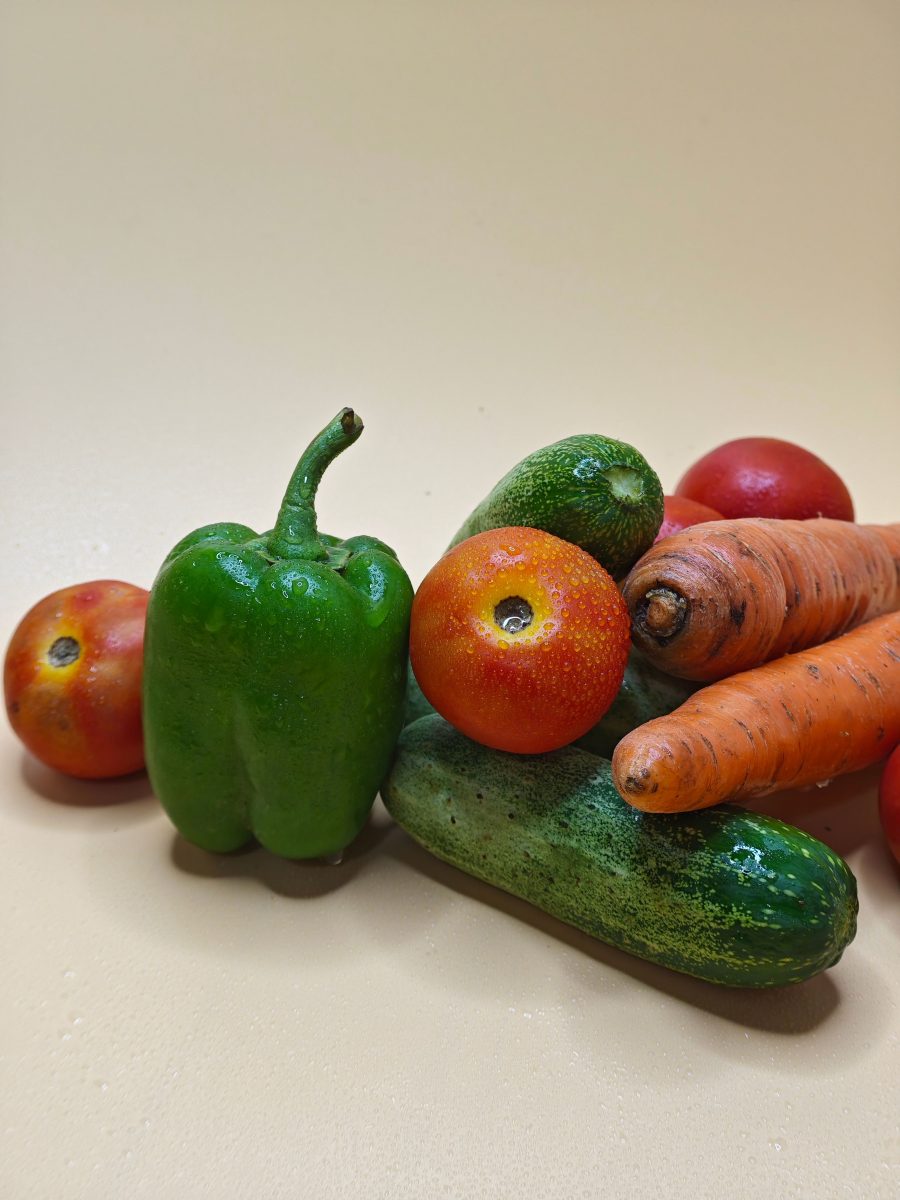
A discounted package of strawberries, a large bag of salad greens, or a container of ripe peaches can look like an easy way to save. However, fresh produce has a limited shelf life, and buying more than your household can eat may turn a bargain into food waste. If half the package ends up in the trash, the lower price may not have been worthwhile.
Before purchasing discounted produce, check its condition and consider when you will use it. Plan specific meals or snacks around the items, and buy only the quantity you can reasonably finish. If the fruit or vegetables are still in good condition, some can be frozen for smoothies, soups, or cooked dishes. A discount is most valuable when the food actually makes it onto your plate.
2. Bulk Packages of Foods You Rarely Eat
Warehouse-style deals and oversized grocery packages can make the price per ounce look appealing. But a large package is not automatically a better value if you rarely eat the product or need to buy more than you can store. Spending $15 on a discounted multipack is still an unnecessary expense if you would otherwise have spent nothing on those items.
Bulk purchases work best for products your household uses regularly and can store safely. Before buying, compare the unit price with the smaller package and consider how long it will take to use everything. Be especially careful with foods that lose freshness after opening, such as crackers, cereal, and certain snacks. If you are buying something unfamiliar, try a smaller size first instead of committing to a large quantity simply because the discount looks impressive.
3. Snacks You Would Not Normally Buy
Chips, cookies, candy, and specialty snacks often feature eye-catching promotions designed to encourage impulse purchases. A favorite product at a reduced price can be a reasonable treat, but an unfamiliar snack may not be worth buying just because it costs less than usual. Even a modest discount adds to your bill when you purchase several products you never intended to buy.
Set a small treat budget before shopping if you want room for occasional extras. When a snack catches your attention, ask whether you would buy it at its regular price or whether the promotion is the only reason it seems appealing. You do not have to avoid every indulgence to save money. The goal is to choose the treats you genuinely want instead of spending your grocery budget on whatever happens to be marked down.
4. Products With Short Expiration Windows
Markdowns on meat, dairy products, prepared meals, and other perishables can be worthwhile when you plan to use them soon. The risk comes when the reduced price encourages you to buy more than you can safely consume before the product’s quality declines. A refrigerator full of discounted food does not help your budget if you cannot prepare it in time.
Check package dates, storage instructions, and the condition of the product before purchasing. If you buy meat that you will not cook within the recommended refrigerated storage period, freeze it promptly while it is still safe to use. Remember that a sell-by date generally helps stores manage inventory and is not automatically a safety deadline for every food. However, a markdown does not make spoiled food safe, and you should never rely on a low price to justify keeping food beyond safe handling limits.
5. Pantry Staples You Already Have Plenty Of

Flour, pasta, canned beans, cooking oil, and other pantry essentials can be excellent sale purchases when you are running low. The trouble starts when you keep buying them simply because the price is attractive. Extra cans and packages may crowd your cabinets, hide older products, and tie up money that could be used for groceries you need now.
Before shopping, take a quick look through your pantry and make a list of what needs replacing. If a frequently used staple is discounted, buying an extra package may make sense, provided you have room to store it and expect to use it. Otherwise, let the deal pass. There will usually be another opportunity to purchase common pantry items, and keeping your spending focused on actual needs is more useful than building a stockpile without a plan.
6. Buy-One-Get-One Deals That Require Extra Spending
Buy-one-get-one promotions can offer genuine savings, but they can also encourage shoppers to purchase more than they intended. Some offers require buying two products to receive the discount, while others apply only to specific sizes or varieties. If you came for one item and leave with several products you do not need, the promotion may increase your spending rather than reduce it.
Read the offer carefully and compare the final price with alternatives. If the deal is for a product you regularly use, you can store it safely, and the discounted quantity fits your budget, it may be worth taking. But do not feel obligated to buy a second item simply because the store presents it as free or reduced. A deal should fit your shopping plan, not force you to change it.
How to Tell Whether a Sale Is Actually Worth It
The simplest way to evaluate a grocery deal is to compare the discounted price with what you would normally pay and decide whether you genuinely need the product. Check the unit price when comparing different package sizes, and consider how much of the food you can use before it spoils. For household staples, buying ahead can make sense when the discount is meaningful and you have adequate storage space.
It also helps to set your grocery budget before entering the store and keep track of unplanned purchases as you shop. You can still take advantage of worthwhile promotions without chasing every red tag or temporary offer. The best deal is not necessarily the product with the biggest advertised discount. It is the purchase that provides useful food at a good price without creating extra spending or waste.
What To Read Next
9 Things Drive-Thru Workers Wish Customers Would Stop Doing
Stop Washing These Foods Before You Store Them
7 Foods You Should Stop Buying Individually Packaged
The Avocados All Ripened at Once — Here’s How to Stop Throwing Them Away
Stop Building Your Grocery List by Recipe — Try Building It Around What’s on Sale