
Image source: shutterstock.com
If you’ve never shopped a discount grocer or salvage shop, the first visit can feel like a treasure hunt and a quiz at the same time. Prices are wildly lower, brands change constantly, and you’ll see things you don’t normally find in a regular supermarket. The trick is knowing what categories are almost always safe bets, and which ones can turn into a “cheap for a reason” regret. When you shop smart, a salvage store can cut your grocery budget in a way coupons rarely match, especially on pantry basics and shelf-stable staples. These seven items are the best places to start if you want big savings without rolling the dice.
1. Shelf-Stable Snacks And Crackers
Salvage shops often get overstock, seasonal packaging, or products close to their best-by date, and snacks are one of the easiest wins. Crackers, chips, granola bars, cereal, and cookies usually stay good well past the printed date if the packaging is sealed and intact. Check for crushed boxes and tiny tears, because staleness happens when air gets in, not because the calendar flipped. If you’re stocking school lunches or quick work snacks, this category can save you a lot fast. A salvage store is especially good for variety packs and “limited edition” flavors that regular stores stop carrying.
2. Canned Goods And Jarred Foods
Canned beans, tomatoes, tuna, soup, and jarred pasta sauce are classic salvage wins because they’re built for long storage. As long as cans aren’t dented on the seams, swollen, or leaking, they’re usually a safe buy. With jars, avoid anything with a popped lid, cracks, or dried residue around the seal. You’ll often see premium brands that got rotated out of big chains, which makes the savings feel even bigger. At a salvage store, canned staples are one of the easiest ways to build a cheap “meals in minutes” pantry.
3. Pasta, Rice, And Dry Grains
Dry goods are where salvage pricing can feel almost unreal, especially when you find bulk sizes. Pasta, rice, oats, quinoa, and lentils hold up well if the bags are sealed and stored dry. The main thing to watch for is tiny holes or tears, because pests and humidity are the real enemies here. If you’re worried, transfer dry goods into airtight containers when you get home and label them clearly. A salvage store is perfect for stocking up on the base ingredients that turn whatever else you find into actual dinners.
4. Condiments And Seasonings With Cosmetic Issues
Salvage shops are full of condiments with dented labels, seasonal branding, or updated packaging that regular stores cleared out. Mustard, ketchup, hot sauce, salsa, and salad dressing can be a great value if the seals are intact and the bottles aren’t leaking. With spices, check that the lids are tight and the containers aren’t dusty or sticky, which can signal a bad seal. If you find spice blends you already use, grab them, because the cost per ounce can be dramatically lower. A salvage store can also be a fun place to experiment with new flavors without paying full price.
5. Coffee, Tea, And Drink Mixes
These products often show up as overstock or seasonal items, and the savings can be huge. Coffee and tea are generally safe if the packaging is sealed, but you’ll want to use them sooner for best flavor. Drink mixes and electrolyte powders are another strong buy because they’re shelf-stable and easy to store. Just check dates and avoid pouches that look puffed, clumped, or moisture-exposed. When you find your favorite brand, it’s worth stocking up because a salvage store may not have it next week.
6. Baking Supplies And Dessert Mixes
Flour, sugar, baking chips, cake mixes, and frosting tubs are frequently discounted in salvage shops after holidays and seasonal baking spikes. Check flour and sugar bags carefully for tears, and keep them sealed at home to avoid pests. Mixes are usually fine past the best-by date, but leavening power can fade, so plan to use older cake mixes sooner rather than saving them for a year. Chocolate chips and candy melts are great finds, especially when they’re priced like half-off clearance. A salvage store is ideal if you bake regularly and want to cut the cost of “extras” like sprinkles and specialty flavorings.
7. Frozen Convenience Foods You’ll Eat Quickly
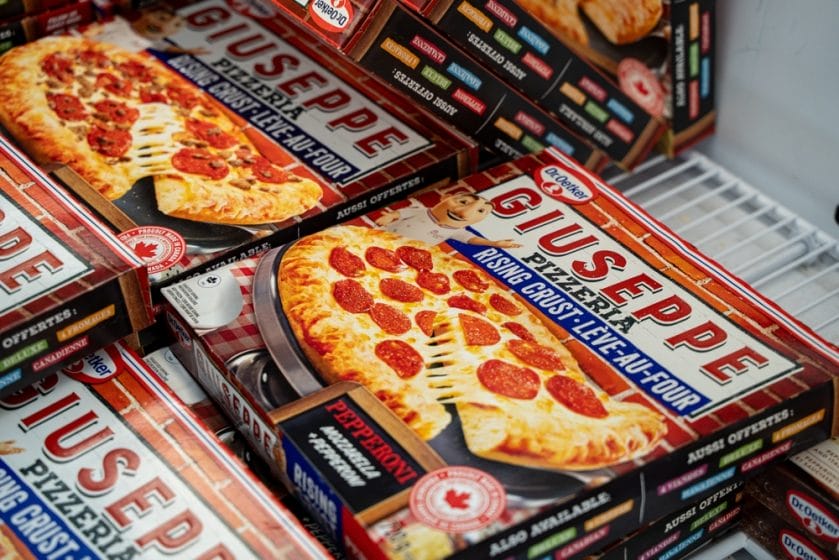
Some salvage stores have freezers with pizza, veggies, breakfast sandwiches, and ice cream at serious discounts. Frozen food is only a good deal if it stayed frozen, so look for heavy frost, odd ice crystals, or warped packaging that can signal thaw-refreeze issues. Shop frozen last, bring an insulated bag, and get it home fast so you keep the cold chain intact. If you don’t have freezer space, don’t buy it “because it’s cheap,” because freezer burn is still wasted money. A salvage store can be fantastic for frozen staples, but only if you’re disciplined about handling and storage.
The Smart Salvage Strategy That Maximizes Savings
The best way to shop salvage is to go in with flexible meal ideas and a short “must-buy” list of pantry staples you always use. Focus on sealed, shelf-stable categories first, then treat frozen and specialty items as optional bonuses. Check packaging like it’s a habit, because condition matters more than date labels for many products. Keep a running list of what you bought and how fast you used it, so you learn which deals actually fit your life. When you shop this way, a salvage store becomes a reliable budget tool instead of a random bargain adventure.
What’s the best deal you’ve ever scored at a salvage store, and what item do you always check for first?
What to Read Next…
6 Things You Should Always Buy at the Scratch and Dent Store
9 Best Hot Breakfast Deals During National Breakfast Month
8 Best Grocery Store Apps to Use for Instant Cash Back
12 Aldi Finds That Will Save You $50 on Your Next Grocery Trip
The 7 AM Rule Why This Is the Best Time to Find Grocery Markdowns
