
Finding out that something in your pantry has been recalled can leave you wondering what to do next. Should you throw it away immediately, take it back to the store, or check whether the warning actually applies to the package you purchased? The answer depends on the reason for the recall and the specific product information listed in the announcement.
A recall does not automatically affect every product from the same brand or every item in a particular food category. Sometimes only one production lot, package size, expiration date, or distribution area is involved. Knowing how to check those details can help you avoid consuming something potentially dangerous without throwing away perfectly good food unnecessarily. Here is what shoppers should know before deciding what to do with a recalled pantry item.
Check the Product Before Throwing Anything Away
The first step is comparing the product in your home with the official recall announcement. Look for the brand, product name, package size, UPC or barcode, lot number, and best-by or expiration date. For meat and poultry, the establishment number printed inside the USDA inspection mark may also be important. A recall notice will identify which details matter for that particular product.
Do not assume that every item from the same company is affected. A manufacturer may recall one production lot while other packages remain outside the recall. If your product does not match the identifying information in the notice, it may not be included. When the information is unclear, contact the company or retailer before deciding what to do.
You May Be Able to Return a Recalled Product for a Refund
Many manufacturers and grocery stores offer refunds for recalled products, even when shoppers no longer have the original receipt. The recall announcement usually explains whether customers should return the item to the store, contact the manufacturer, or dispose of it instead. Some companies provide refunds through customer service or an online process rather than requiring shoppers to bring the product back.
However, returning a recalled item is not always the recommended option. If the notice specifically says to discard the product, follow those instructions instead of transporting it back to the store. For example, the October 30 recall of certain 365 Whole Foods Market ashwagandha capsules instructs customers not to consume or return the product. Instead, customers should discard it, with refunds available at Whole Foods Market stores. Always follow the recall instructions rather than assuming every retailer handles returns the same way.
How to Dispose of Recalled Food Safely
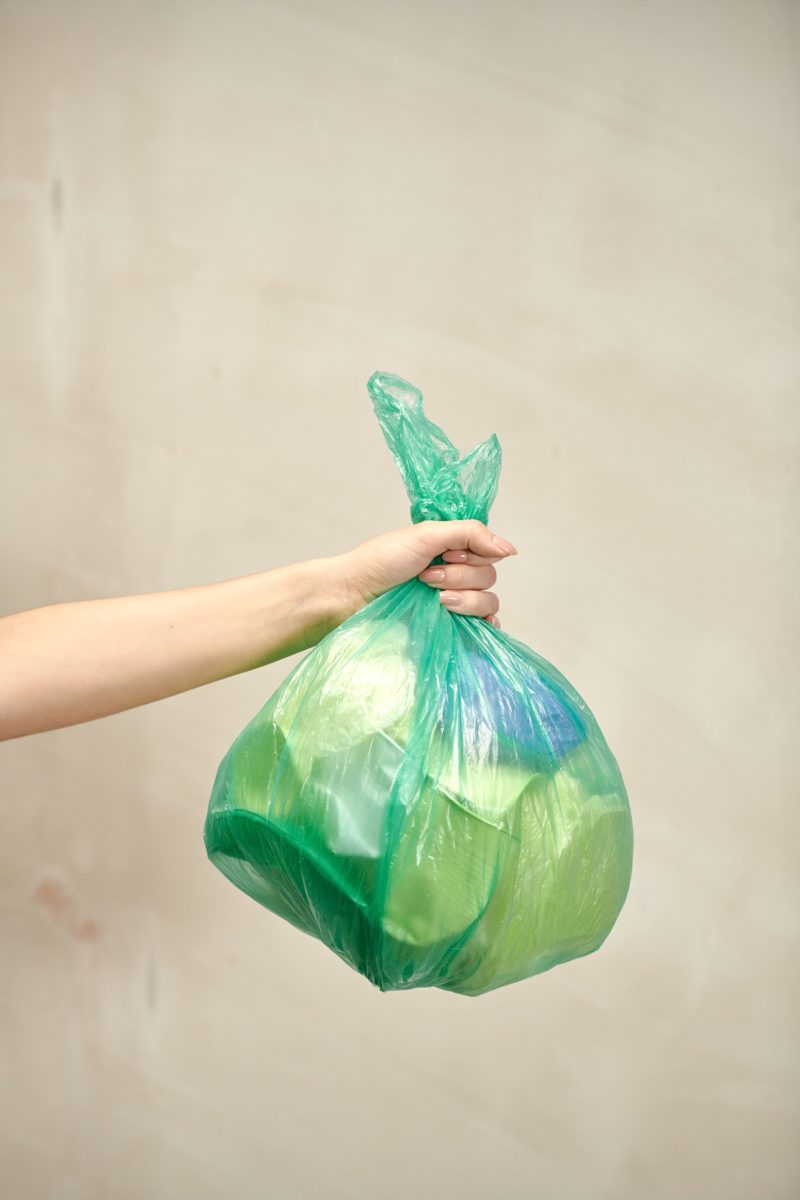
If a recall notice tells you to throw a product away, make sure nobody else can accidentally consume it. Keep the item away from children and pets, and place it in a sealed bag or container before putting it in the trash. Do not donate recalled food, give it to someone else, or feed it to pets simply because the product looks normal.
For certain recalls, especially those involving dangerous bacteria, you may need to clean more thoroughly. If contaminated food has leaked inside your refrigerator or touched countertops, cutting boards, utensils, or other surfaces, wash the affected areas with hot, soapy water. FoodSafety.gov also recommends sanitizing appropriate surfaces after cleaning, using a solution of one tablespoon of unscented liquid chlorine bleach per gallon of water. Follow product instructions and never mix bleach with other cleaning chemicals. The goal is to remove possible contamination, not simply get the recalled package out of your pantry.
Do Not Assume Cooking or Washing Makes Recalled Food Safe
One common mistake is thinking that heating, rinsing, or otherwise preparing recalled food will eliminate the problem. That is not a reliable solution. Some hazards, including certain bacterial toxins and chemical contaminants, cannot be made safe through ordinary cooking or washing. Even when a product looks and smells normal, it may still present a health risk.
The reason for the recall matters. Bacterial contamination, undeclared allergens, foreign materials, and elevated chemical contaminants require different precautions. For example, cooking cannot reliably remove an undeclared allergen or eliminate lead contamination. If a product is included in a recall, do not try to salvage it by changing how you prepare it.
What If You Already Ate the Recalled Product?
Do not panic, but take the warning seriously. A recall does not mean everyone who consumed the product will become sick. However, you should check the reason for the recall and watch for any symptoms identified in the announcement. Foodborne illnesses can cause symptoms such as diarrhea, vomiting, fever, and abdominal pain, although some contaminants may cause different or delayed effects.
If you develop symptoms after eating a recalled product, contact a healthcare professional and explain what you ate and when. Seek medical attention promptly for severe symptoms or signs of a serious reaction. People who are pregnant, older, very young, or have weakened immune systems may face greater risks from certain foodborne illnesses. If the recall involves an undeclared allergen and someone with that allergy consumed the food, follow their medical guidance and seek emergency help for signs of a severe allergic reaction.
Current Food Recalls Worth Checking
Several recent federal recall announcements are worth reviewing if you are checking your pantry, refrigerator, or freezer. One involves Wise Wife Brand Ground Cinnamon, recalled October 29 because of possible elevated lead levels. The affected product is packaged in a clear 110-gram container with a black screw-top cap, UPC 0688474302754, and a best-before date of April 25, 2027. It was distributed to retailers in multiple states, including Georgia. Consumers should not use the affected cinnamon and should discard it or return it to the place of purchase for a refund.
Another October 27 recall involves cold-smoked sprats distributed in New Jersey, New York, and Pennsylvania. The product was shipped in bulk cardboard boxes, and all lots are included because of potential Clostridium botulinum contamination. The FDA warns consumers not to use it, even if it looks and smells normal, and advises returning it for a refund. The same day, Taylor Farms recalled H-E-B Backyard BBQ Chop Salad Kits because of undeclared soy and almonds. The affected 13.4-ounce bags have UPC 041220300457 and a best-if-used-by date of October 30, 2026. The recall was limited to H-E-B stores in Texas, but anyone who purchased the exact product should not consume it.
A separate nationwide recall announced October 17 covers approximately 1.58 million pounds of ready-to-eat meat and poultry products from Kayem Foods. The products may have experienced temperature abuse during warehouse storage, and the affected items carry establishment numbers EST. M/P 7839, EST. P 20935A, or EST. M 9520 inside the USDA inspection mark. The recall includes multiple product types, so shoppers should check the official USDA product list rather than relying on brand names alone. Consumers should not eat matching products and should throw them away or return them to the place of purchase.
Where to Check for New Recalls Before Your Next Grocery Trip
Food recalls can be announced throughout the week, so checking an old news article is not enough to confirm whether a product is currently affected. The FDA maintains a searchable list of recalls, market withdrawals, and safety alerts for products it regulates. The USDA Food Safety and Inspection Service publishes separate recall notices for meat, poultry, and certain egg products. FoodSafety.gov brings together federal recall and outbreak information in one place.
When checking a notice, pay attention to the announcement date, affected product details, distribution area, and instructions for consumers. Also remember that a recall may be expanded when investigators identify additional products or locations. Checking official announcements periodically is more useful than assuming a product is safe because you purchased it before the recall appeared in the news.
The Right Response Depends on the Recall Details
A food recall does not mean you need to empty your pantry or throw away every product from a particular brand. It means you need to identify whether the exact item you purchased is included and follow the instructions issued for that product. Some companies request returns and offer refunds, while others specifically tell consumers to discard the food.
Before your next grocery trip, take a few minutes to check your pantry, refrigerator, and freezer against current federal recall notices. Pay particular attention to lot numbers, package sizes, UPCs, and expiration dates. If you find a matching product, do not eat it or give it away. Following the recall instructions protects your household while helping you avoid unnecessary food waste.
What To Read Next
Raw Cheddar Cheese Recalled in 2 States Over Dangerous E. Coli Risk — Check Your Fridge
Bread Sold in Puerto Rico Recalled Over Undeclared Sesame — Check These 7 Lots
So Delicious Dairy-Free Frozen Dessert Recalled Nationwide Over Possible Small Stones
8 Whole Foods Foods Recalled This Month That Shoppers May Still Have at Home