
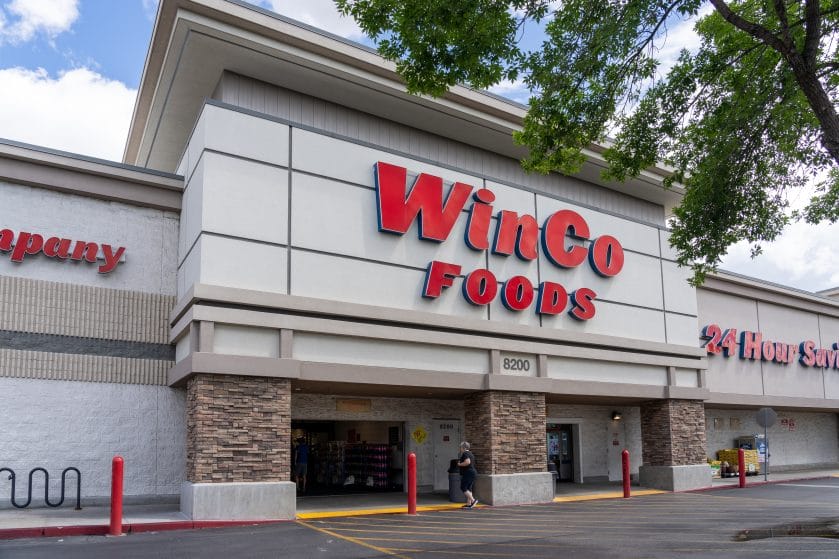
Image Source: Shutterstock
Finding the perfect balance between high-quality produce and affordable prices is a constant struggle for shoppers. Every retail brand claims to offer the best possible value to attract your household’s grocery budget. Determining which stores actually deliver on those financial promises requires objective and rigorous data analysis. A trusted consumer advocacy group recently evaluated pricing structures across the entire national retail landscape. Let us explore the data as Consumer Reports reveals the most and least expensive supermarkets in the country.
Analyzing the Latest Data
The research team conducted a massive pricing survey covering thousands of everyday essential household items. They compared the cost of a standard basket of goods across dozens of prominent regional and national chains. The study accounted for regional cost-of-living differences to ensure a fair and accurate baseline comparison. Researchers also factored in the availability of affordable store-brand products and digital loyalty discounts. This comprehensive approach provides shoppers with a highly accurate picture of the modern retail pricing hierarchy.
The High Cost of Premium Stores
The data clearly identified boutique wellness markets and specialty organic grocers as the most expensive retail destinations. Brands focusing heavily on imported artisan goods and hyper-local agriculture demand a steep premium at the register. The report noted that shopping exclusively at these premium locations can easily double your monthly food expenses. While the physical store environment is beautiful, you are ultimately paying for the aesthetic experience. Budget-conscious families must limit their trips to these expensive locations to protect their checking accounts.
Where to Find the Best Deals
The survey crowned large discount chains and regional warehouse clubs as the champions of affordability. Stores like Aldi and WinCo Foods consistently offered the lowest baseline prices on fresh produce and pantry staples. These discount retailers keep their operational costs low by displaying items in their original cardboard shipping boxes. They pass those massive logistical savings directly down to the consumer at the checkout lane. Shifting your weekly routine toward these specific brands provides immediate and noticeable financial relief.
Adjusting Your Shopping Routine
The stark price differences highlighted in the report prove that store loyalty can be highly expensive. You must be willing to break your established habits and explore new retail options in your neighborhood. Purchasing your premium meats at a specialty butcher while buying dry goods at a discount chain is highly efficient. Comparing the prices of your specific favorite items across multiple stores empowers your household budget. Being a flexible and informed consumer is your best defense against regional grocery inflation.
Shopping Smart in a Changing Market
Managing a tight household budget requires knowing exactly which stores offer the best value. The recent pricing data proves that shopping at boutique markets drains your wallet unnecessarily. Embracing discount chains allows you to purchase fresh produce and quality proteins without the premium markups. You must remain willing to adjust your driving route to secure the best deals in your area. Making informed choices based on objective research is the easiest way to combat grocery inflation.
Were you surprised by the results of the recent pricing survey? Let us know where you shop in the comments below!
What To Read Next
Shoppers Report Fewer Impulse Buys as Totals Rise
Friday Cliff Why Grocery Prices May React to the April 10 Inflation Report
Store Managers Report Rising Customer Conflicts Over Price Errors
How Inflation Is Still Driving Grocery Costs Higher, According to Reports
Grocery Chain Reports 11% Jump in Digital Sales as Coupon Redemption Rises