
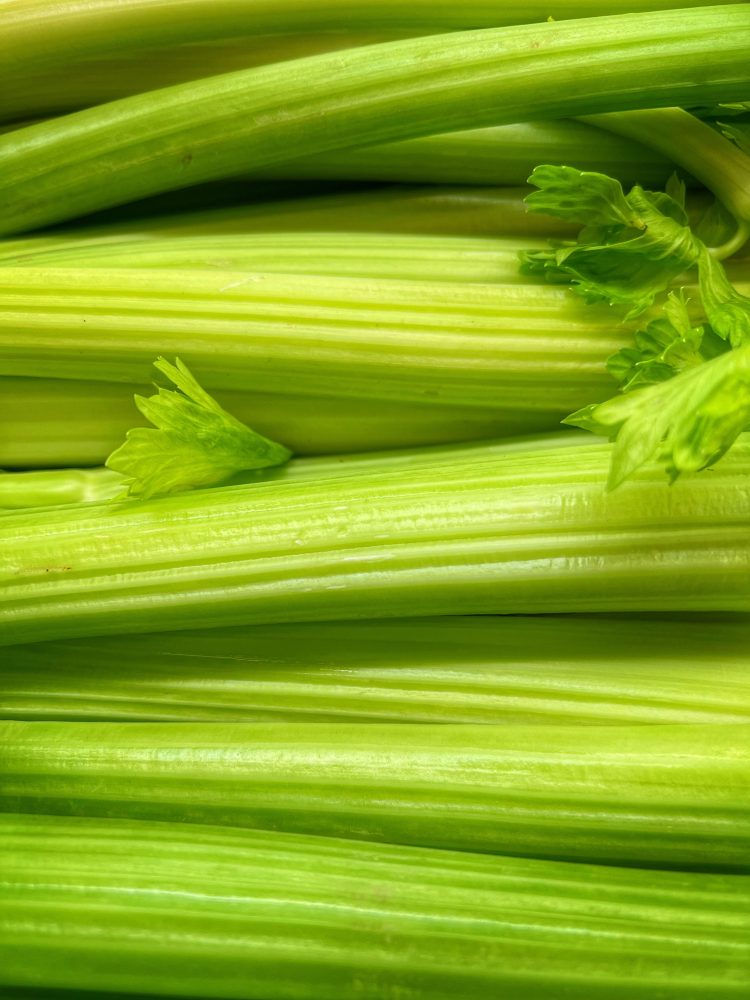
Celery is one of those grocery staples that can seem inexpensive until you throw away half a bunch that has gone limp in the refrigerator. Whether you use it for soups, salads, stuffing, or snacks, you want stalks that stay crisp long enough to make the purchase worthwhile. The problem often starts before you even bring it home. A bunch that looks acceptable from the front may already be losing moisture or deteriorating inside. One of the easiest warning signs to spot is soft, rubbery stalks that bend easily instead of feeling firm and crisp. Checking for that texture before putting celery in your cart can help you avoid paying for produce that is already past its prime.
The One Sign to Check Before Buying Celery
Fresh celery should feel firm when you gently handle the stalks. The ribs should have some rigidity, and the bunch should feel crisp rather than limp or unusually flexible. If the stalks bend easily without snapping or feel rubbery when lightly pressed, they may have lost moisture during storage. That does not automatically mean the celery is unsafe, but it suggests the bunch may not deliver the crunch you expect.
Check several stalks rather than judging the bunch by its outer appearance alone. A leafy top can look green even when the ribs are beginning to soften, and the outer stalks may not tell the whole story. Avoid squeezing hard or breaking pieces off, since other shoppers need the produce to remain intact. A gentle check for firmness is usually enough to compare two bunches and choose the one that feels fresher.
Look for Discoloration and Damaged Stalks, Too
Firmness is a useful first check, but it is not the only sign of quality. Fresh celery typically has crisp ribs and a relatively clean appearance, although the shade of green varies by variety and growing conditions. Avoid bunches with extensive brown or black discoloration, damaged areas, or stalks that look badly shriveled. Those signs can indicate deterioration or physical damage that may shorten the time the celery remains usable.
Pay attention to the base of the bunch as well. A little surface discoloration does not necessarily mean the entire bunch must be discarded, but a base that is very dark, mushy, or visibly decaying is a reason to choose another one. Also look for wet, slimy patches or an unpleasant odor, which are more concerning than ordinary dryness. When several warning signs appear together, another bunch is usually the safer and better-value choice.
Why Celery Goes Limp Before You Finish It
Celery contains a high proportion of water, and its familiar crunch depends partly on the water held within its plant cells. As moisture is lost, the stalks become less rigid and may bend instead of snapping. That loss can happen during storage, especially when celery is exposed to dry air or kept too long after harvesting. Temperature changes and handling conditions can also affect how well the bunch retains its quality.
The trouble is that celery can still look reasonably green after its texture begins to decline. Shoppers may bring home a bunch expecting several crisp meals, only to discover that it has become rubbery a few days later. Proper refrigeration slows deterioration, but it cannot fully reverse quality loss that occurred before purchase. Starting with a firm bunch gives you a better chance of getting the most out of your grocery money.
How to Store Celery So It Stays Crisp Longer
Once you bring celery home, refrigerate it promptly rather than leaving it on the counter. Keep the stalks whole until you are ready to use them, since cutting exposes more surface area and can speed moisture loss. Store the bunch in the refrigerator’s crisper drawer or another cold area, and avoid placing it where it may freeze. Celery generally keeps its quality better when it is protected from drying out but is not left sitting in standing water.
You can wrap the whole bunch in aluminum foil or place it in a suitable produce-storage bag to help manage moisture loss. The most effective method can vary depending on your refrigerator and the condition of the celery, so check the stalks periodically. If you wash and cut celery ahead of time, dry it well and store the pieces in a sealed container in the refrigerator. Using clean containers and removing damaged pieces can help keep the rest in better condition.
Can You Save Celery That Has Already Gone Soft?
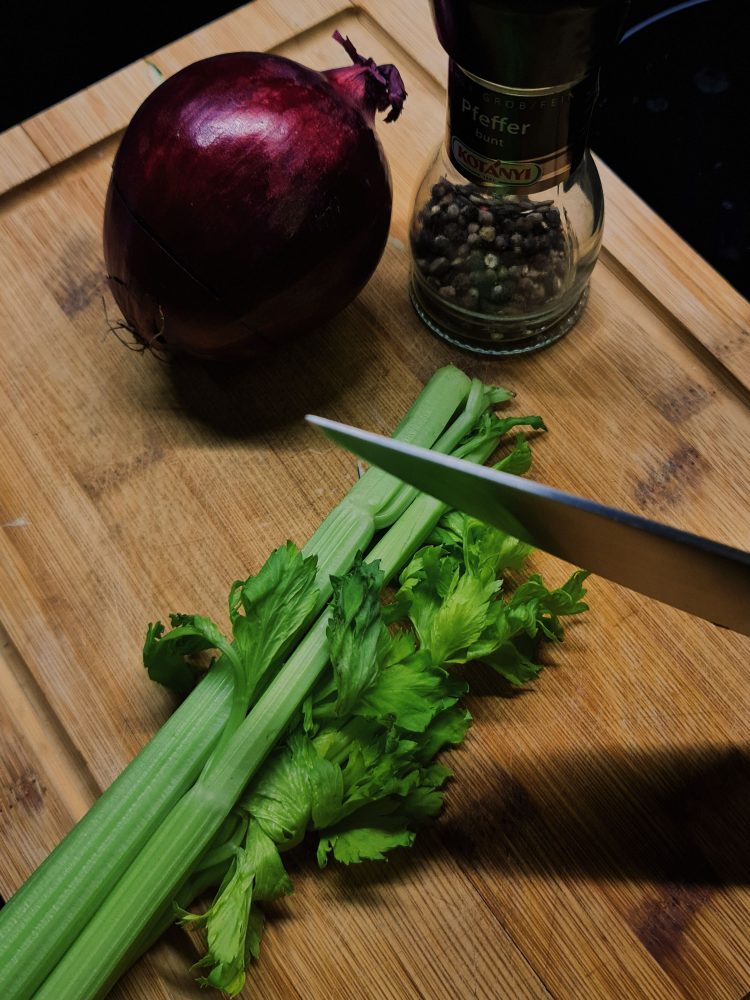
If celery has become limp but remains clean, smells normal, and shows no signs of spoilage, it may still be usable. You can try trimming the ends and placing the stalks in cold water in the refrigerator for a short time to see whether they regain some crispness. Rehydration may improve texture, but it will not restore celery that has become slimy, rotten, or badly deteriorated. Do not use water to try to rescue produce that shows clear signs of spoilage.
Soft celery can also work well in cooked dishes where crunch is less important. Chop it into soups, stews, sauces, casseroles, or stuffing, provided it still appears and smells fresh. Cooking is not a way to make spoiled celery safe, so discard any pieces with mold, sliminess, or an off odor. Using sound but less-crisp celery in a recipe can help reduce food waste without compromising the quality you expect from raw celery sticks.
Buy the Amount You Can Realistically Use
Even a fresh bunch can become wasteful if you purchase more than your household needs. Before buying celery, consider the meals you plan to make and whether you will use the stalks for snacks, salads, or cooking. If you only need a few ribs for one recipe, check whether your store sells smaller quantities or whether another planned meal can use the remainder. Buying with a purpose makes it easier to finish the bunch before its texture declines.
You can also prepare celery for future meals once you know how you will use it. Chop and freeze celery for soups, stews, and other cooked recipes, keeping in mind that freezing changes its texture and makes it less suitable for crisp snacks. Label the package with the date so it does not disappear behind other frozen food. A little planning can turn an inexpensive ingredient into a reliable kitchen staple instead of another item that ends up in the trash.
A Quick Firmness Check Can Save Your Grocery Money
The next time you shop for celery, gently check that the stalks feel firm rather than rubbery or unusually flexible. Look for additional warning signs such as extensive discoloration, mushy areas, slime, or an unpleasant smell. Choosing a fresh bunch matters because refrigeration can slow quality loss, but it cannot completely undo deterioration that has already started.
After you bring it home, store celery in the refrigerator and protect it from drying out. If the stalks lose some crispness but remain fresh, use them in cooked dishes rather than throwing them away automatically. A few seconds of checking at the store, followed by sensible storage, can help you get more meals from every bunch you buy.
What To Read Next
9 Grocery Items Nutritionists Say Are Losing Quality Faster This Year
Bakery Workers Report Ingredient Substitutions That Affect Quality
USDA Launches Searchable Portal for SNAP, WIC, Food Safety and Other Federal Guidance
4 Frozen Meals Recently Flagged in Safety Recalls
Food Safety Investigators Warn of Contaminated Produce Arriving Late in Season