
Imagine grabbing a cold drink on a hot day, expecting refreshment, but unknowingly sipping on something far less appetizing. Recent studies have revealed a shocking truth: some ice machines are dirtier than a gas station toilet. Yes, you read that right! The very ice chilling your soda or cocktail could be harboring more bacteria than the restroom you avoid at all costs. This isn’t just a gross-out fact—it’s a real health concern that affects anyone who enjoys beverages from restaurants, fast food joints, or even hotel lobbies. Understanding why ice machines can be so filthy and what you can do about it is essential for your health and peace of mind.
1. Ice Machines Are Often Overlooked During Cleaning
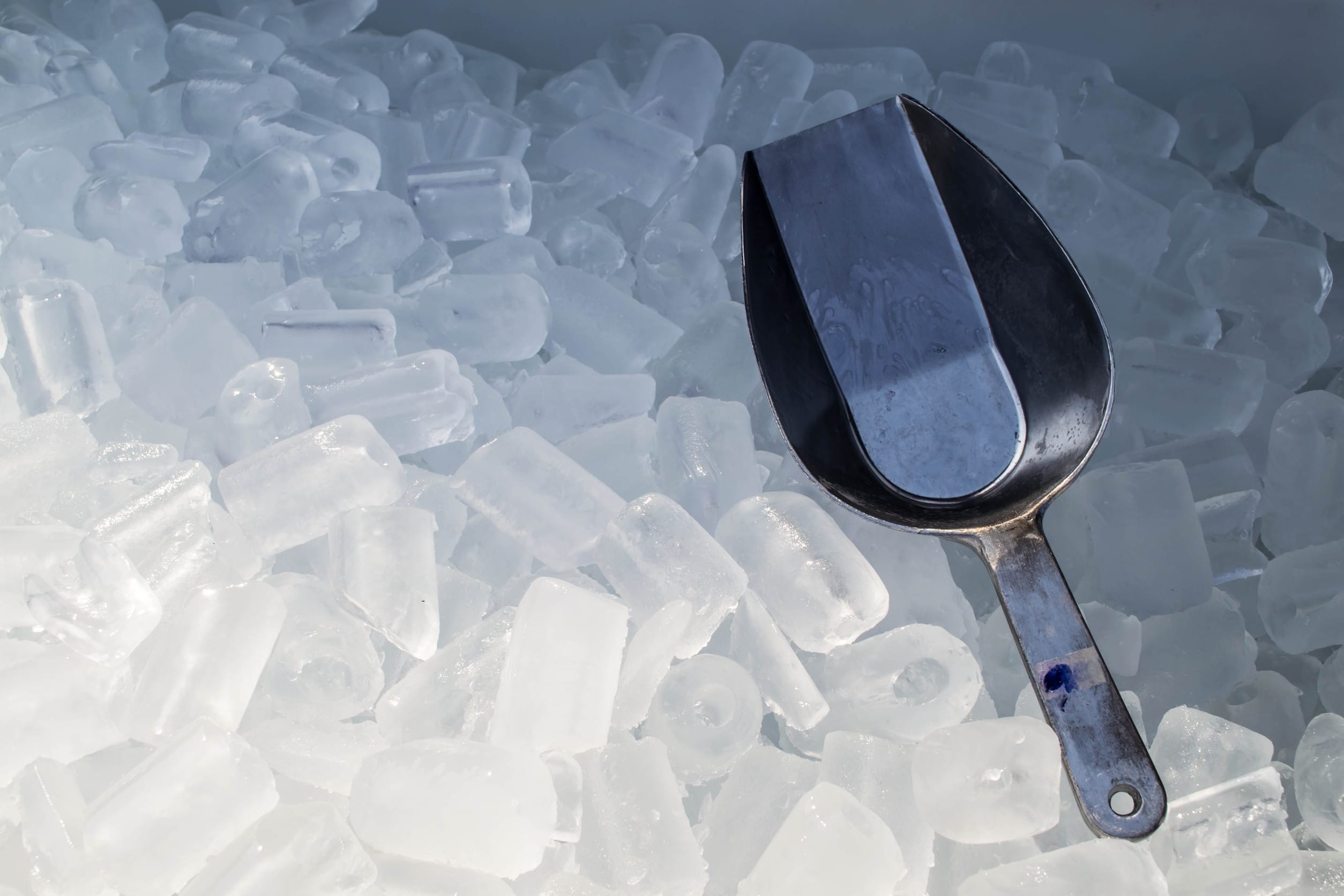
When it comes to cleaning routines, ice machines frequently fall through the cracks. While restaurant staff regularly wipe down tables, sweep floors, and sanitize bathrooms, ice machines are often ignored. This neglect allows bacteria, mold, and even slime to build up inside the machine. According to the Centers for Disease Control and Prevention (CDC), improper cleaning of ice machines can lead to contamination that spreads to every drink served. Unlike visible messes, the grime inside an ice machine is hidden, making it easy to forget or ignore until it becomes a serious problem.
2. Warm, Damp Environments Are Bacteria’s Best Friend
Ice machines might seem cold and sterile, but their interiors are actually prime real estate for bacteria. The combination of moisture, warmth from the motor, and organic material (like spilled soda or food particles) creates the perfect breeding ground for germs. Studies have shown that bacteria such as E. coli and norovirus can thrive in these conditions, sometimes reaching levels higher than those found on a gas station toilet seat. WebMD even reported that restaurant ice can contain more bacteria than toilet water, making the case for regular, thorough cleaning even stronger.
3. Cross-Contamination Happens Easily
One of the biggest reasons ice machines get so dirty is cross-contamination. Employees may handle ice with unwashed hands, use dirty scoops, or even drop items into the ice bin. Each of these actions introduces new germs into the machine. Unlike a toilet cleaned with strong disinfectants, ice machines are rarely sanitized with the same rigor. This means that bacteria introduced by one careless act can multiply rapidly, contaminating every scoop of ice that follows.
4. Ice Machines Are Hard to Clean Properly
Let’s face it: ice machines are complicated appliances. Their intricate parts, tight spaces, and constant moisture make cleaning difficult. Many businesses lack the time, training, or motivation to disassemble and scrub every nook and cranny. As a result, biofilm—a slimy layer of bacteria—can form on the interior surfaces. This biofilm is tough to remove and can protect harmful germs from even the most diligent cleaning efforts. If you’ve ever noticed a musty taste or smell in your ice, it’s a sign that the machine may be overdue for a deep clean.
5. Ice Is Considered Food (But Not Always Treated That Way)
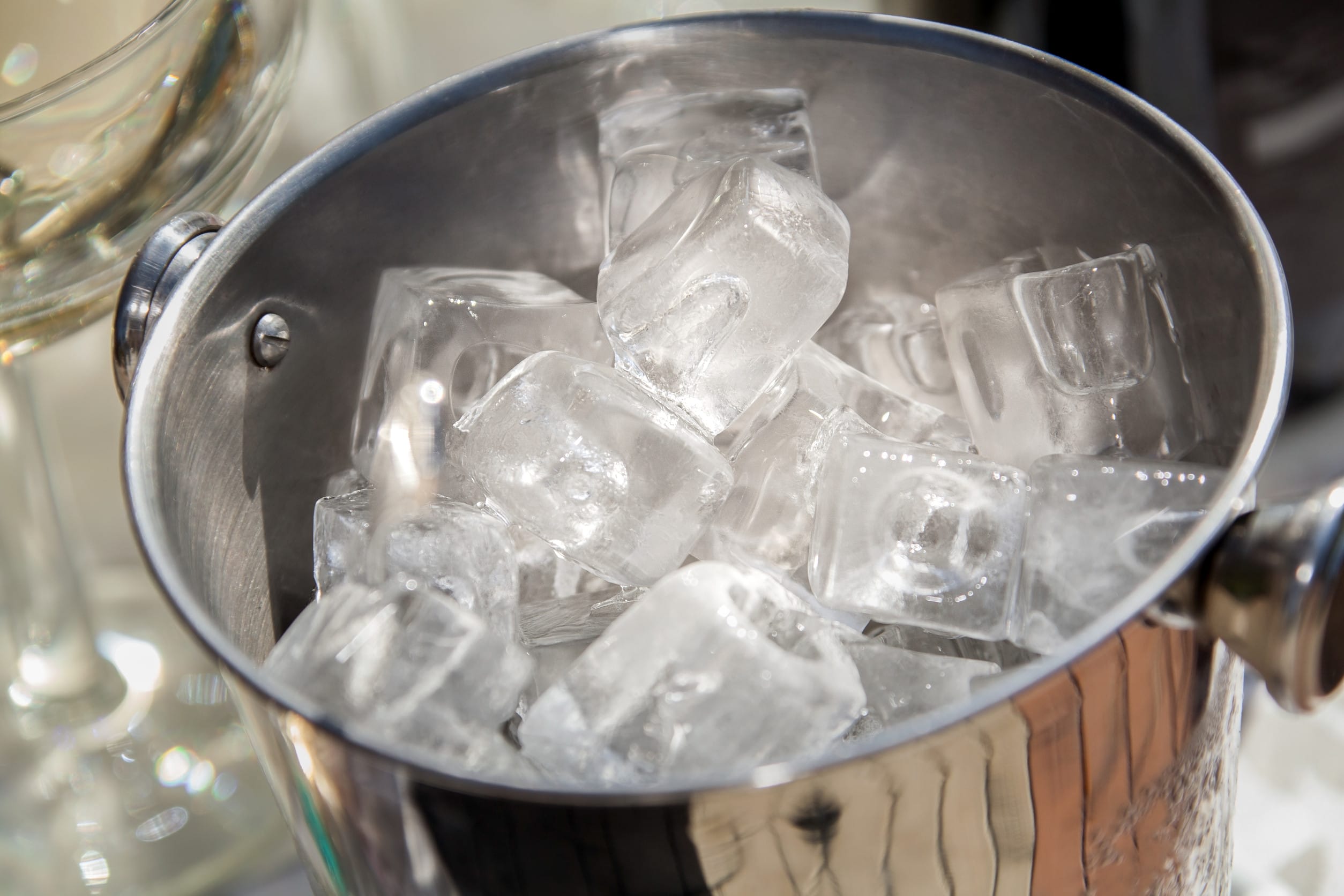
Here’s a surprising fact: the FDA classifies ice as food, meaning it should be handled with the same care as any other edible item. However, many people don’t realize this and treat ice as if it’s immune to contamination. This misconception leads to lax hygiene practices, such as using bare hands to scoop ice or storing ice scoops on unsanitary surfaces. The result? Ice machines become a hidden source of germs, sometimes dirtier than the surfaces we’re taught to avoid.
6. Poor Maintenance Leads to Mold and Slime
Regular maintenance is crucial for keeping ice machines clean and safe. When filters aren’t changed, water lines aren’t flushed, or the machine isn’t serviced, mold and slime can quickly take hold. These substances make the ice taste bad and can cause health issues if ingested. Mold spores and bacteria can trigger allergic reactions, stomach upset, or even more serious illnesses, especially in people with weakened immune systems. Seeing black or pink slime in an ice machine is a clear sign that maintenance has been neglected.
7. What You Can Do to Protect Yourself
So, how can you avoid the hidden dangers lurking in ice machines? First, pay attention to the cleanliness of the establishment. If the dining area or bathrooms are dirty, chances are the ice machine isn’t spotless either. Don’t hesitate to ask the staff how often their ice machines are cleaned. At home, follow the manufacturer’s instructions for cleaning your own ice maker, and use filtered water to reduce the risk of contamination. If you’re concerned about restaurant ice, opt for drinks without ice or bring your own reusable water bottle.
The Chilling Truth: Don’t Let Dirty Ice Ruin Your Drink
The next time you reach for a cold beverage, remember that ice machines can be dirtier than a gas station toilet if not properly maintained. By staying informed and making smart choices, you can protect yourself and your family from the hidden germs that might be lurking in your glass. Cleanliness matters, especially when it comes to something as seemingly harmless as ice. Stay vigilant, ask questions, and don’t let dirty ice machines put your health at risk.
Have you ever noticed something off about the ice in your drink? Share your stories or tips in the comments below!
Read More
7 food safety areas where grocery employee knowledge might be limited
How grocery stores are secretly making you fat: the hidden tactics behind your cart