
Image Source: Shutterstock
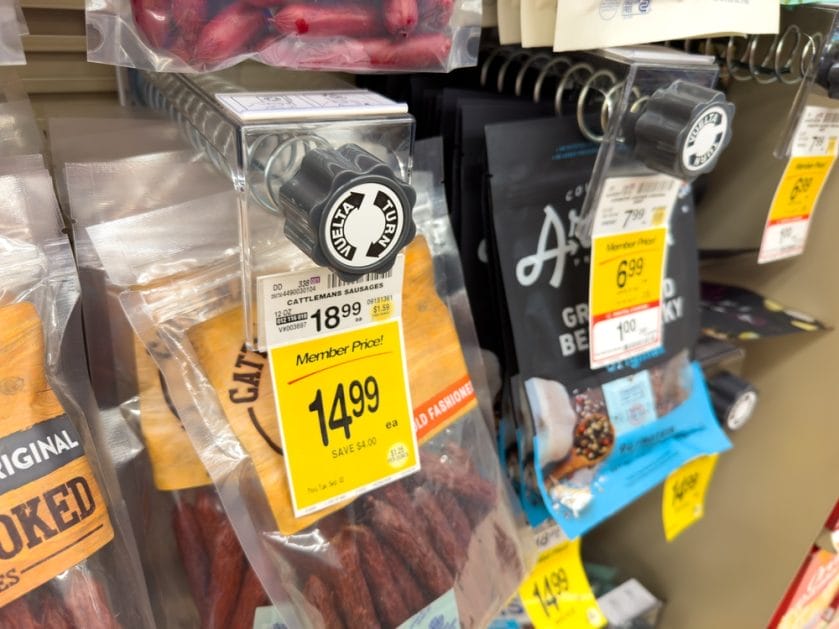
We’ve all been there—walking through the grocery store, spotting a bright yellow tag, and feeling that rush of excitement. It’s practically Pavlovian: yellow tag equals savings, right? Not so fast. While grocery sale stickers are designed to catch your eye, they don’t always guarantee a better deal. In fact, some of them are more illusion than bargain. If you’re trying to stretch your grocery budget, it’s time to look past the color and read the fine print.
1. The “Was” Price Isn’t Always Real
Many yellow tags boast a “was” price that seems dramatically higher than the current sale price. But here’s the catch: that “original” price may have only been in place for a short time—or never existed at all. Some stores inflate the regular price just before a sale to make the discount look more impressive. This tactic creates a false sense of urgency and value. Always compare the sale price to what you’ve actually paid in the past, not just what the tag claims.
2. Unit Pricing Tells the Real Story
One of the smartest ways to spot a fake deal is to check the unit price. Grocery sale stickers often highlight the total price, but savvy shoppers know to look at the cost per ounce, pound, or item. Sometimes, the “sale” version of a product is actually more expensive per unit than the regular-sized or store-brand version. This is especially common with multi-packs or “family size” items. Don’t let the yellow tag distract you from the math.
3. Loyalty Card Prices Can Be Misleading
Stores love to advertise “member-only” prices with yellow tags, but these deals aren’t always the best available. In some cases, the loyalty price is just the regular price with a flashy label. Worse, you might be required to sign up for a store card that tracks your purchases and personal data. While loyalty programs can offer real savings, they can also be a way to manipulate your shopping habits. Make sure the discount is worth the trade-off.
4. Endcap Displays Aren’t Always Discounted
Those tempting end-of-aisle displays often feature products with yellow tags, giving the impression of a hot deal. But don’t assume that just because something is prominently displayed, it’s on sale—or that it’s the best price. Retailers pay for prime shelf space, and those costs can be passed on to you. Always double-check the price and compare it to similar items in the regular aisle. Sometimes, the real deal is hiding in plain sight.
5. “Buy More, Save More” Isn’t Always a Bargain
Multi-buy deals like “Buy 5, Save $5” or “3 for $10” are classic yellow tag traps. These offers can be great—if you actually need that many of the items. But if you’re buying more than you’ll use just to get the discount, you’re not saving money—you’re wasting it. Plus, some stores will still give you the discounted price even if you buy fewer items, so it’s worth asking. Don’t let the sticker pressure you into overbuying.
6. Seasonal “Sales” May Be Pre-Planned
Ever notice how certain items go on sale right before a holiday or big event? While it might seem like a timely discount, many of these sales are pre-planned and priced to appear generous. In reality, the price may have been marked up weeks earlier to make the markdown look more dramatic. This is especially common with grilling meats before summer holidays or baking goods before Thanksgiving. Track prices over time to spot the real trends.
7. Store Brands Often Beat Yellow Tags
Grocery sale stickers usually highlight name-brand items, but that doesn’t mean they’re the cheapest option. Store brands often offer the same quality at a lower everyday price—no flashy sticker needed. In blind taste tests, many store-brand products perform just as well as their branded counterparts. Before grabbing that “sale” item, check the shelf for the store-brand version. You might find a better deal without the marketing gimmicks.
8. Digital Coupons Can Outshine Shelf Discounts
In the age of apps and digital coupons, yellow tags aren’t the only way to save. Many stores offer exclusive digital deals that don’t appear on the shelf. If you’re not checking your store’s app or website before shopping, you could be missing out. Sometimes, a digital coupon can stack with a sale for even deeper savings. Make it a habit to scan for digital offers before you head to the checkout.
9. Clearance Isn’t Always the Lowest Price
Clearance items often wear yellow tags, but that doesn’t mean they’re the cheapest they’ll ever be. Some stores mark items down in stages, meaning today’s clearance price might drop even further next week. If the item isn’t urgent, it might be worth waiting. Also, check for damage or expiration dates—clearance doesn’t always mean quality. Be strategic, not impulsive.
10. Some “Sales” Are Just Everyday Prices Elsewhere
Finally, remember that what looks like a deal in one store might be the regular price at another. Grocery sale stickers can create the illusion of savings, but regional pricing and store policies vary widely. Use price comparison apps or keep a mental note of your go-to items’ usual costs. Just because it’s on a yellow tag doesn’t mean it’s a steal. Smart shoppers know that context is everything.
Outsmarting the Sticker Game Starts with Awareness
Grocery sale stickers are designed to grab your attention—but they don’t always deserve your trust. By learning to read between the lines, compare unit prices, and question the hype, you can avoid falling for the yellow tag trap. True savings come from strategy, not just signage. The more you understand how these tactics work, the better equipped you are to shop smarter. Don’t let a splash of yellow fool you into spending more than you need to.
Have you ever caught a “sale” that wasn’t really a deal? Share your yellow tag stories in the comments—we’d love to hear your tips and tricks!
What to Read Next
Are Retailer Price Tags Misleading You Into Spending More?
Is the Toni Fine 6-Week Detox Meal Plan Worth the $60 Price Tag?
Is Shop-Around Grocery Shopping Saving You Money or Wasting Time?