
Image Source: Shutterstock
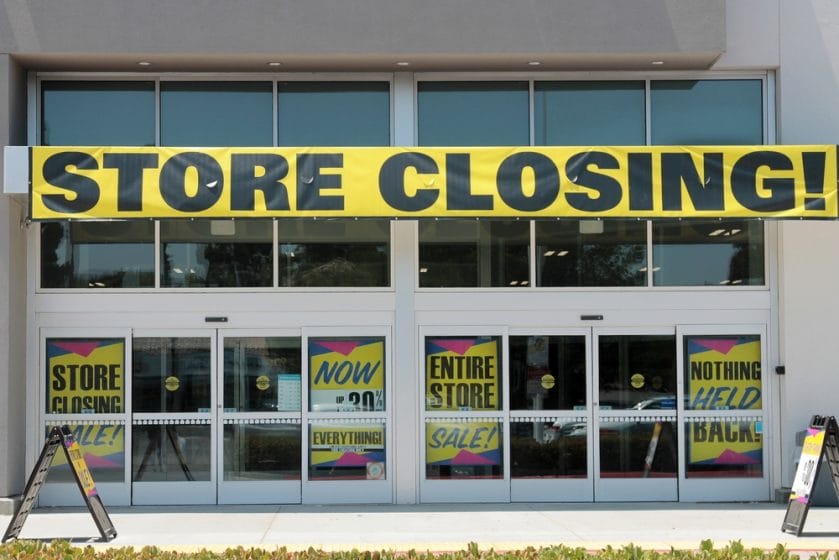
It’s not your imagination—more grocery stores are closing their doors in 2025 than in any recent year. From major chains to neighborhood staples, the trend is reshaping how and where Americans shop for food. But what’s really driving this wave of closures? The reasons go far beyond simple profit margins. If you’ve noticed your local store shutting down, here’s are 10 things that seem to be fueling the shift—and what it means for your grocery budget.
1. Skyrocketing Operational Costs
Grocery stores have always operated on razor-thin margins, but 2025 has pushed them to the brink. Rising labor costs, increased rent, and higher utility bills are eating into profits. Many stores can’t absorb these expenses without raising prices, which risks losing customers. Even large chains like Kroger and Albertsons have cited cost pressures as a reason for closing underperforming locations. For smaller, independent grocers, the math simply doesn’t add up.
2. Shrinking Foot Traffic in Urban Areas
Downtown grocery stores are struggling as remote work continues to reshape commuting patterns. With fewer people working in offices, foot traffic has dropped significantly in city centers. Stores that once thrived on lunchtime and after-work shoppers are now seeing empty aisles. This shift has led to closures in cities like Boston, San Francisco, and Chicago. Suburban and delivery-focused models are gaining ground instead.
3. The E-Commerce Grocery Boom
Online grocery shopping has exploded since the pandemic—and it’s not slowing down. Services like Instacart, Amazon Fresh, and Walmart+ have made it easier than ever to skip the store altogether. As more consumers embrace digital convenience, brick-and-mortar stores are seeing fewer in-person visits. Some chains are closing physical locations to focus on fulfillment centers and delivery hubs. The grocery landscape is going digital.
4. Competition from Non-Traditional Retailers
Big-box stores and dollar chains are eating into traditional grocers’ market share. Retailers like Dollar General and Costco are expanding aggressively, offering food at lower prices. Even pharmacies and gas stations are stocking more grocery items. This saturation makes it harder for mid-sized grocers to compete. As a result, many are consolidating or exiting certain markets altogether.
5. Supply Chain Disruptions Haven’t Gone Away
While the worst of the pandemic-era shortages may be over, supply chain issues still linger. Delays in shipments, increased transportation costs, and product shortages continue to plague the industry. These disruptions make it harder for stores to keep shelves stocked and customers satisfied. When inventory is inconsistent, shoppers go elsewhere. Over time, that loss of loyalty can lead to permanent closures.
6. Changing Consumer Preferences
Today’s shoppers are more health-conscious, price-sensitive, and convenience-driven than ever. They’re seeking fresh, local, and organic options—often from specialty stores or farmers markets. At the same time, many are cutting back on impulse buys and sticking to strict budgets. Traditional grocery stores that haven’t adapted to these trends are losing relevance. Those that can’t pivot quickly are being left behind.
7. Strategic Consolidation by Major Chains
Not all closures are signs of failure—some are part of a bigger strategy. Chains like Walmart and Albertsons are closing underperforming stores to reinvest in high-growth areas. This allows them to streamline operations and focus on profitability. While it may make sense on paper, it often leaves communities without a nearby grocery option. These closures hit rural and low-income neighborhoods the hardest.
8. Real Estate Pressures and Redevelopment
In some cases, grocery stores are closing because the land they sit on is more valuable than the business itself. Developers are snapping up prime locations for housing, mixed-use projects, or other retail ventures. This trend is especially common in gentrifying neighborhoods. Even profitable stores can be displaced if the property owner sees a better return elsewhere. It’s a harsh reality of modern real estate economics.
9. Labor Shortages Are Still a Problem
Despite wage increases, many grocers are struggling to hire and retain staff. Labor shortages lead to reduced hours, longer lines, and poor customer service. Over time, this erodes shopper loyalty and hurts the bottom line. Some stores have closed simply because they can’t find enough workers to operate efficiently. Automation may help, but it’s not a quick fix.
10. Inflation Is Changing How We Shop
Persistent inflation has changed consumer behavior in subtle but significant ways. Shoppers are making fewer trips, buying less, and switching to discount brands. This shift in spending patterns has hurt full-service grocers the most. Even loyal customers are rethinking where and how they shop. For some stores, the numbers just don’t work anymore.
The Grocery Store of the Future May Not Be a Store at All
The surge in closures isn’t just a blip—it’s a sign of deeper transformation. As technology, economics, and consumer habits evolve, the traditional grocery model is being reimagined. Expect to see more hybrid formats, delivery-first operations, and AI-driven inventory systems. For shoppers, the key is staying flexible and informed. Because the way we buy food is changing fast—and not every store will survive the shift.
Have you lost a favorite grocery store recently? Share your experience and how it’s changed your shopping habits in the comments!
What to Read Next
10 Regions Seeing Grocery Store Closures Impact Coupon Availability
Grocery Stores That Locals Swear Are Haunted After Closing
7 Restaurant Chains That Quietly Closed Dozens of Locations
Popular Fast Food Chain Closing Its Doors At An Alarming Rate, Others To Follow?
4 Grocery Stores Closing Their Doors For Good Across the U.S.