

Most shoppers glance at their grocery receipt, check the total, and move on. But that small slip of paper can reveal mistakes that cost you money, even when you thought everything went smoothly at checkout. An item may have scanned twice, a sale price may not have applied, or a digital coupon may have been missing from your total.
These errors are easy to overlook when checkout lines are moving quickly or you are juggling bags, payment, and other errands. Reviewing your receipt before leaving the store gives you a chance to catch problems while the transaction is still easy to verify. Here are five mistakes worth checking for before you put your receipt away.
1. An Item May Have Been Scanned More Than Once
One of the easiest checkout mistakes to miss is being charged twice for the same product. This can happen when an item is scanned, moved, and accidentally scanned again, or when a cashier has trouble getting a barcode to register. Self-checkout can create similar problems if a shopper scans an item twice while trying to correct an earlier error.
Your receipt should list the quantity purchased next to each product, making duplicate charges easier to spot. If you bought one carton of eggs but the receipt shows two, check the transaction before assuming you were charged correctly. The extra amount may seem small, but duplicate charges across several shopping trips can add up. If you catch one, show the receipt to customer service and explain what you actually purchased.
2. Sale Prices May Not Have Been Applied
A product displayed with a sale tag does not always ring up at the advertised price. The shelf label may be outdated, the promotion may have ended, or the discount may require a loyalty account. Sometimes the register simply fails to apply the correct price, leaving you paying more than expected.
Check your receipt against the items you specifically chose because they were on sale. Pay close attention to products with promotional signs, especially when the discount is tied to a certain quantity or purchase amount. If the price is higher than the advertised offer, take a picture of the shelf tag if possible and ask an employee to verify it. You may be eligible for a correction or refund, depending on the store’s policy and local pricing rules.
3. Digital Coupons May Be Missing From Your Total
Digital coupons can make grocery shopping cheaper, but they also create another opportunity for checkout mistakes. A shopper may clip an offer in the store’s app and assume the discount will automatically appear. However, some promotions have product restrictions, minimum quantities, expiration dates, or other requirements that must be met before the savings apply.
Look for coupon discounts near the bottom of your receipt or alongside the qualifying products. If you expected a $1 discount but the receipt shows the full price, check the offer details in the app before contacting customer service. Make sure the coupon was added to the correct loyalty account and that you purchased the exact size or variety listed. Keeping a screenshot of the offer can also make it easier to explain the problem.
4. Produce and Meat May Have Been Weighed Incorrectly
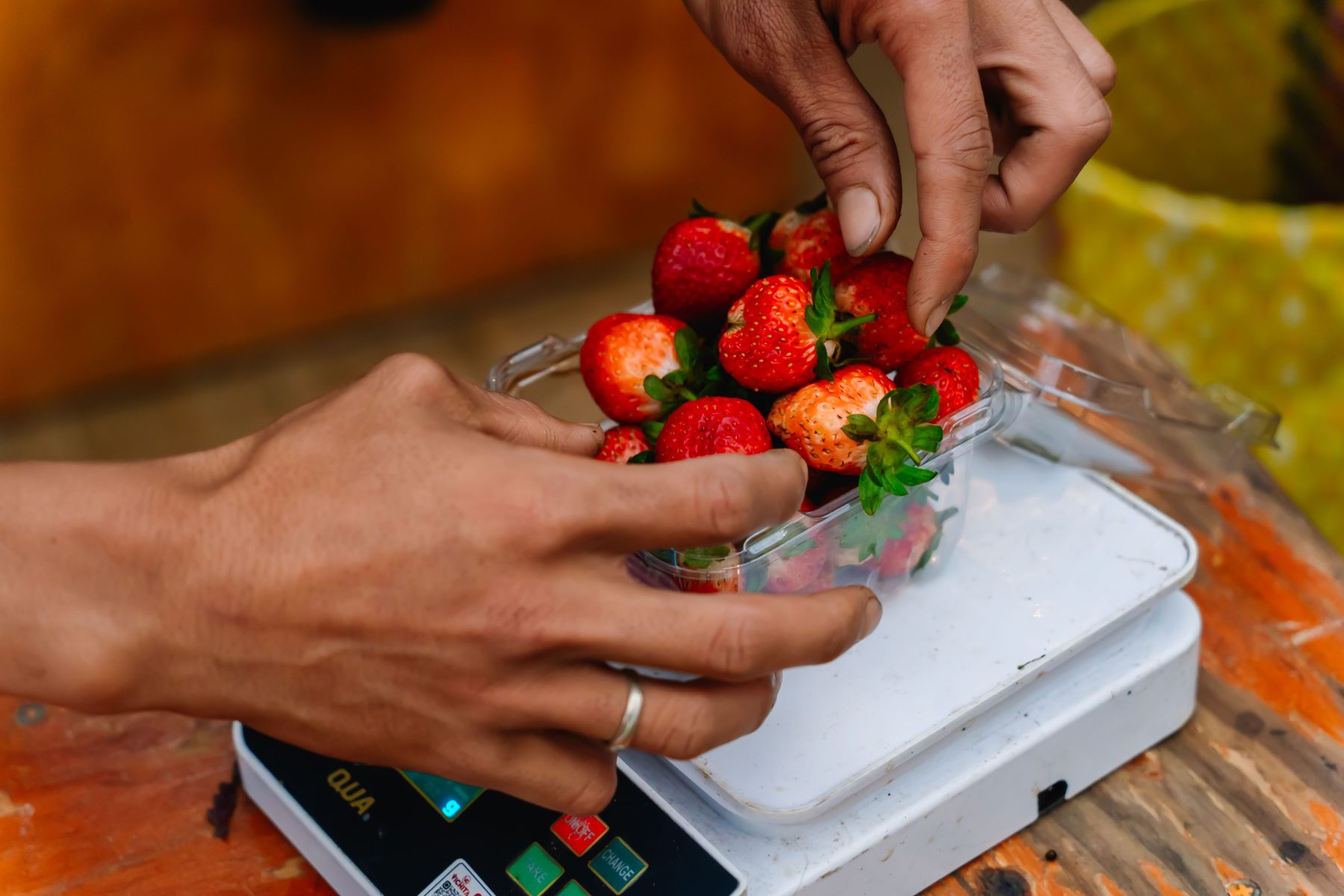
Items sold by weight can be another source of unexpected charges. Produce, seafood, and meat are often priced by the pound, so even a small difference in the recorded weight can affect the final cost. A cashier may enter the wrong product code, or a scale may display a weight that does not match what you actually purchased.
Review the quantities and prices for anything sold by weight. If you bought two pounds of apples but the receipt shows a significantly higher amount, compare the charge with the weight on the package or the scale label. Also check that the correct variety or product was entered. Organic produce, for example, may have a different price from conventional produce. Correcting a wrong code or weight can prevent you from paying more than you owe.
5. You May Have Been Charged for a Bag or an Item You Didn’t Take
Small charges can be easy to overlook, especially when several products appear on the same receipt. Depending on the store and location, you may see charges for shopping bags, deposits, or other fees. You might also find an item listed that you never placed in your cart or that was removed during checkout but remained on the transaction.
Look through the receipt for unfamiliar product names, unexpected quantities, and additional charges. If your state or city has a bag fee, make sure the number of bags charged matches what you received. Also check that any items you decided not to purchase were removed from the final transaction. If something looks unfamiliar, ask the store to explain the charge rather than assuming it is correct.
What to Do When You Find a Checkout Error
If you spot a mistake, keep your receipt and return to the customer service desk or contact the store as soon as practical. Explain which item appears incorrect and show the relevant line on the receipt. If the issue involves a sale price or digital coupon, having a screenshot of the advertised offer can help the employee verify what should have been charged.
Store policies differ, so the way an error is corrected may depend on the retailer and the circumstances. You may receive a refund for an overcharge, a price adjustment, or another form of correction. It is also worth checking your payment card or digital wallet if the amount charged does not match the receipt. The receipt is your record of the transaction, so hold onto it until you are confident everything is accurate.
A Quick Receipt Check Can Protect Your Grocery Budget
You do not need to study every receipt line by line for several minutes, but taking a moment to review it can catch mistakes that might otherwise go unnoticed. Start with quantities, sale prices, coupon discounts, weighed items, and unfamiliar fees. Those are the areas where a small checkout error can turn into an unnecessary expense.
The next time you shop, check the receipt before leaving the store or at least before throwing it away. A few seconds of attention could help you recover money you should not have spent. Grocery prices are already putting pressure on many household budgets, so there is little reason to let avoidable checkout mistakes make the bill even higher.
What To Read Next
How Long Should You Keep Recalled Food Receipts — And Do You Actually Need One for a Refund?
Extra Grocery Delivery Can Cost More Than Receipt Shows — The FTC Is Looking at Why
6 Grocery Receipt Errors Shoppers May Want to Catch
Grocery Receipt Errors You Can Catch Before Driving Home
The Grocery Store Receipt Check: What You’re Actually Required to Do