

Image source: shutterstock.com
Fiber is the “satiety nutrient”—it makes you feel full longer, regulates blood sugar, and supports digestive health. Unfortunately, the wellness industry has convinced many that fiber comes from expensive supplements, chia seeds, or specialized “keto” breads. The truth is that the most fiber-dense foods on the planet are often the cheapest items in the grocery store. By centering your diet around these eleven humble staples, you can improve your health and drastically lower your grocery bill simultaneously.
1. Dried Split Peas
Split peas are an old-world superfood. A one-pound bag costs roughly two dollars and contains a staggering amount of fiber—about 16 grams per cooked cup. Unlike beans, they do not require soaking and cook down into a thick, hearty soup in under an hour. They are arguably the cheapest source of fiber per gram in existence.
2. Popcorn Kernels
Microwave popcorn is expensive and unhealthy, but raw popcorn kernels are dirt cheap. A bag of kernels costs pennies per serving. Air-popped corn is a whole grain that provides nearly 4 grams of fiber per serving. It satisfies the “crunch” craving without the price tag of chips or crackers.
3. Lentils
Lentils are the unsung heroes of the pantry. They cook in 20 minutes and absorb any flavor you throw at them. With 15 grams of fiber per cup, they are a digestive powerhouse. Replacing half the ground beef in a taco or Bolognese sauce with lentils adds bulk, reduces cost, and triples the fiber content of the meal.
4. Whole Oats
Oats contain beta-glucan, a specific type of soluble fiber that lowers cholesterol. A large canister of old-fashioned oats costs less than five dollars and provides weeks of breakfasts. Avoid the instant packets; the raw oats offer better texture and more sustained energy release for a fraction of the price.
5. Bananas
While berries are high in fiber, they are expensive and spoil quickly. Bananas are the budget alternative. A medium banana contains about 3 grams of fiber and costs less than thirty cents. They come in their own packaging and contain prebiotic fiber that feeds healthy gut bacteria.
6. Whole Carrots
Carrots are crunchy, sweet, and loaded with fiber, especially if you eat the skin (just wash them well). A two-pound bag of whole carrots often sells for under two dollars. They are the perfect vehicle for hummus or a cheap side dish when roasted.
7. Barley
Barley has a chewy, satisfying texture and contains more fiber than brown rice. It is excellent in soups or as a grain bowl base. Pearl barley is cheap and widely available. It expands significantly when cooked, meaning a small dry amount yields a massive volume of food.
8. Sunflower Seeds
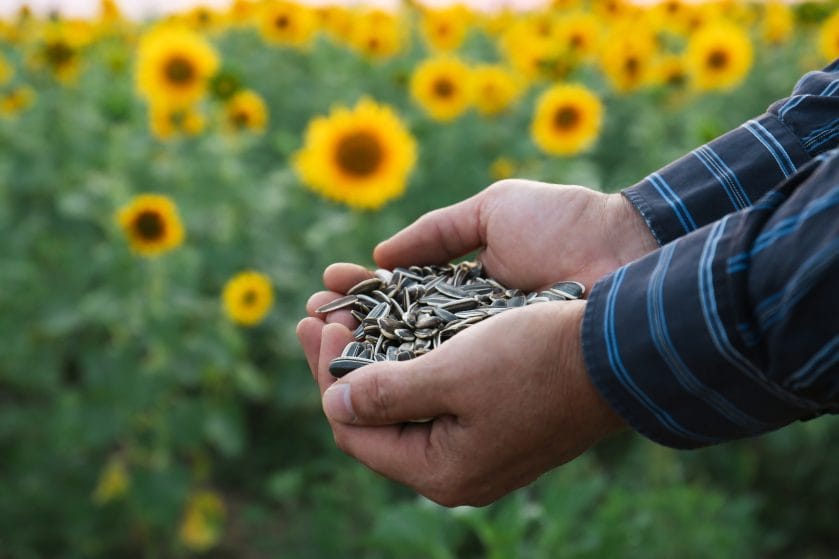
Image source: shutterstock.com
Nuts are expensive, but sunflower seeds are the budget-friendly exception. They contain 3 grams of fiber per quarter-cup and are packed with healthy fats. Buy them in the shell for a snack that slows down your eating pace, or shelled to sprinkle on salads for a crunch that costs less than almonds or walnuts.
9. Potatoes with Skin
The potato has been unfairly demonized. A medium baked potato with the skin on provides nearly 5 grams of fiber and significant potassium. It is one of the most satiating foods on the satiety index. A ten-pound bag of Russet potatoes is one of the cheapest caloric buys in the store.
10. Frozen Broccoli
Fresh broccoli can be pricey per pound when you account for the heavy stalks you might toss. Frozen broccoli florets are blanched and ready to eat, with zero waste. A bag often costs just over a dollar and provides a massive fiber boost to stir-frys or casseroles.
11. Canned Pumpkin
Ideally bought during the holiday sales, canned pumpkin is pure fiber and Vitamin A. It is not just for pie; it can be stirred into oatmeal, chili, or smoothies to add thickness and nutrients without adding fat or sugar.
Full Stomach, Full Wallet
A high-fiber diet naturally suppresses appetite, preventing the constant snacking that drains your budget. By relying on these eleven cheap staples, you solve two problems at once: you improve your biological health, and you insulate your finances from the high cost of processed convenience foods.
What to Read Next
11 Staples with a 25-Year Shelf Life That Every Family Needs
The Clean Label Premium: Why You Pay Double for Fewer Ingredients
Stop Fearing Carbs: The 5 Nutrient-Loaded Staples Your Brain Needs Right Now