
Image source: shutterstock.com
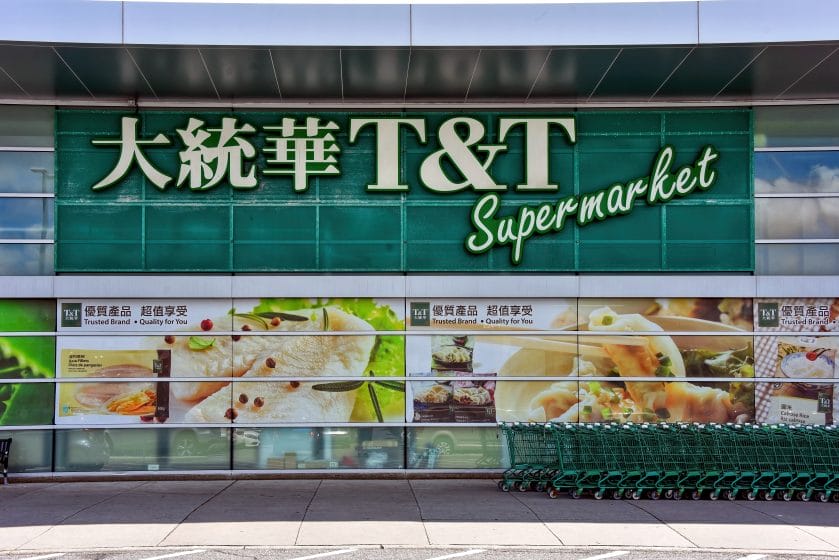
When most Americans look to save money on groceries, they think of Walmart, Aldi, or Costco. However, a vast, untapped resource for savings exists right in their own neighborhoods: the local ethnic market. Whether it is a Mexican carniceria, an Asian H-Mart, or an Indian bazaar, these specialty stores operate on a different supply chain model than the major corporate chains. They prioritize volume and raw utility over aesthetic perfection and marketing, resulting in prices that can be 30% to 50% lower for specific categories. Stepping outside your culinary comfort zone is often the fastest way to lower your grocery bill.
1. The Produce Supply Chain Difference
Mainstream supermarkets demand cosmetic perfection. Apples must be shiny, peppers must be uniform, and carrots must be straight. This curation costs money. Ethnic markets often source “Grade B” produce, which is functionally identical in taste and nutrition but might be misshapen or slightly smaller. Because they do not reject the “ugly” fruit, they can sell it for significantly less. You will frequently find limes, cilantro, and onions for pennies on the dollar compared to the chain store down the street.
2. Bulk Spices Without the Glass Jar Tax
If you buy cumin or turmeric at a standard grocery store, you pay five dollars for a tiny glass jar that contains two ounces of product. Indian and Middle Eastern markets sell spices in large plastic bags. You can often buy a one-pound bag of turmeric for the same price as that tiny glass jar. The turnover in these markets is also much higher, meaning the spices are often fresher and more potent than the dust collecting on the supermarket shelf.
3. The “Nose-to-Tail” Meat Discounts
Western supermarkets focus heavily on the “premium” cuts: chicken breasts, ribeyes, and pork chops. Ethnic markets cater to culinary traditions that value the entire animal. Consequently, you can find cuts like chicken thighs, pork shoulder, ox tails, and organ meats at incredibly low prices. Furthermore, because they often have on-site butchers breaking down whole animals, the freshness of the meat is superior to the pre-packaged Styrofoam trays found at big-box stores.
4. Rice and Grains as Commodities
For many ethnic markets, rice is not a side dish; it is life. Therefore, they sell it as a commodity in massive 20, 40, or 50-pound sacks. The price per pound in these sacks is often half of what you pay for the small 5-pound bags at a regular store. The variety is also vastly superior, offering specific grains like Jasmine, Basmati, or sweet sticky rice that are graded for quality rather than just generic “long grain.”
5. Fresh Herbs by the Bundle
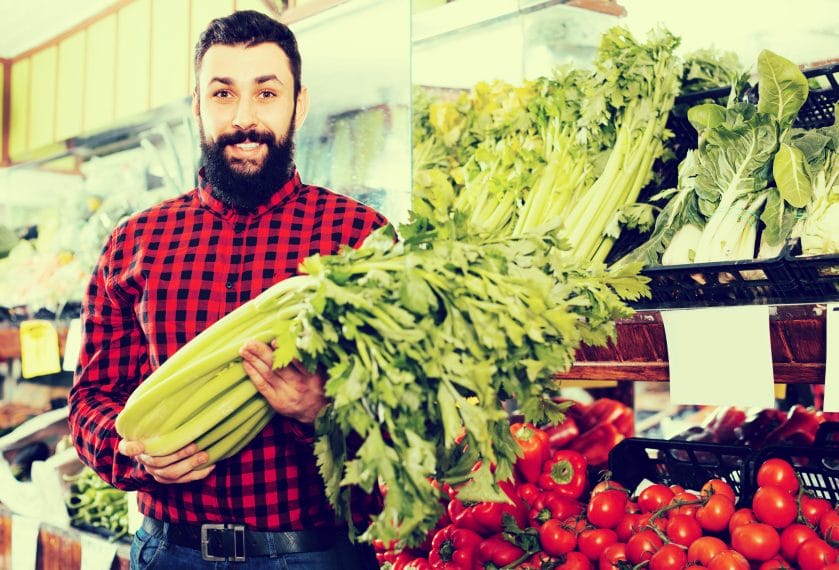
Image source: shutterstock.com
At a chain grocery store, herbs are sold in plastic clamshells for three dollars a pop. These tiny packages contain perhaps three sprigs of mint or basil. In an Asian or Mexican market, herbs are sold in massive bunches, often held together by a rubber band, for under a dollar. You get ten times the product for one-third of the price. Even if you end up composting half the bunch, you are still mathematically ahead.
Expanding Your Palate and Wallet
Shopping at an ethnic grocer does more than save you money; it introduces you to new ingredients and flavor profiles that can revitalize your home cooking. It forces you to cook with raw, whole ingredients rather than processed convenience foods, which is the cornerstone of both health and frugality.
What to Read Next
Top 10 Must-Try Ethnic Markets in New York City
Why You Should Always Check the Bottom Shelf for These 8 Staples
Do Supermarkets Hide Price Drops Behind Brand Labels?
How Grocery Consolidation Could End Neighborhood Markets for Good
10 Grocery Items That Are Only Expensive Because of Marketing