
Image source: shutterstock.com
Most people use their smartphones to spend money, scrolling through endless shopping feeds and delivery apps. However, with the right strategy, that same device can become a tool for acquiring free food. Retailers and startups are desperate for user acquisition and data, and they are willing to pay for it in calories. By leveraging sign-up bonuses, beta testing programs, and digital loyalty loopholes, you can secure a steady stream of groceries without opening your wallet.
1. The “Friday Freebie” Digital Coupon
Several major grocery chains, most notably the Kroger family of stores (which includes Ralphs, Fry’s, and Fred Meyer), run a digital promotion often called the “Friday Freebie.” You must log into their specific app on Fridays to “clip” a coupon for a completely free item—usually a full-sized product like a tub of yogurt, a protein bar, or a bag of chips. Once the coupon is loaded to your card, you typically have two weeks to pick up the item. Setting a recurring calendar alarm on your phone for Friday mornings ensures you never miss this window, accumulating dozens of free items over the course of a year.
2. New User Sign-Up Bonuses
The delivery and pickup wars are fierce, and companies are burning cash to acquire new customers. Apps like Instacart, DoorDash, and Gopuff frequently offer aggressive sign-up codes, such as “$20 off your first order of $25.” While you still have to pay the remaining five dollars and the tip, this effectively nets you twenty dollars of free groceries. Smart users rotate through these apps or trade referral codes with partners and roommates to maximize the “new user” window across multiple platforms.
3. Product Testing Apps like PinchMe
Market research firms need real consumers to test new products before they hit the mass market. Apps like PinchMe or Social Nature allow you to claim free samples of food and household goods in exchange for a brief review. These are not always tiny sample sizes; Social Nature frequently issues vouchers for full-sized items like boxes of crackers, plant-based meats, or frozen meals. You request the coupon on your phone, pick up the item at your local store, and scan the receipt to verify the purchase.
4. The “Scan for Gift Cards” Strategy
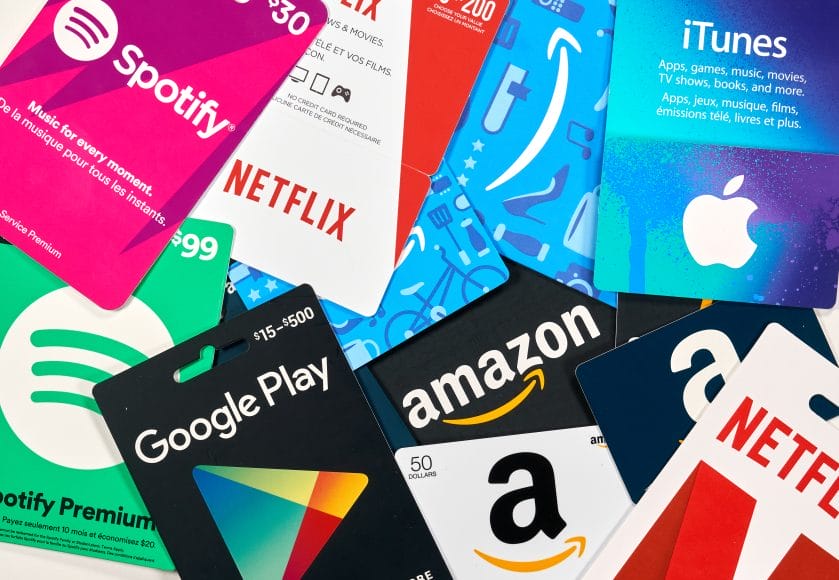
Image source: shutterstock.com
While not directly “free food” at the moment of purchase, apps that reward receipt scanning function as a deferred payment system. By religiously scanning every receipt you find, you accumulate points that redeem for grocery store gift cards. A dedicated scanner can easily earn $50 to $100 in Amazon or Walmart gift cards annually. Earnings can then be used to order shelf-stable pantry staples for free.
5. Restaurant App “Birthday” and “Download” Rewards
While technically prepared food, restaurant apps are a goldmine for free calories that offset your grocery budget. Almost every fast-casual chain offers a free item just for downloading the app and creating an account. Furthermore, entering your birthday guarantees a free treat once a year. By keeping a folder of these apps on your phone and cycling through them, you can secure several free meals a month.
Monetizing Your Attention
There is no such thing as a truly free lunch, but there is certainly a “data-for-lunch” exchange. These companies are paying you in food for your attention, your data, and your loyalty. By understanding the terms of this transaction and participating strategically, you can use your smartphone to feed your household, turning your digital footprint into tangible sustenance.
What to Read Next
Are “Free Grocery Items” Worth Buying With Heavy Coupons?
How to Use Grocery Rewards for Free Meals
Free Grocery Store Credit Hidden in Refund Policies
How to Find the Best “Free with Purchase” Grocery Deals This Month
Surprising Foods You Can Buy Free With Smart Couponing Strategies