

Image Source: Pexels
Families rely on bulk promotions to keep their pantries stocked during tight financial months. Supermarkets aggressively advertise deals that require you to purchase multiple items to unlock the savings. The strategy seems logical until you realize how quickly these promotions inflate your final receipt. Retailers use these bundled offers to move stagnant inventory and force you to overspend. Let us uncover the cheap grocery items that end up costing more when you chase those deceptive deals.
1. Pre-Packaged Deli Meats
Buying 5 packages of sliced turkey seems like a brilliant way to prepare for school lunches. The problem arises when you realize the expiration dates are only a few days away. Most families cannot consume that much lunch meat before the packages begin to spoil. You end up throwing 2 full containers into the trash by the end of the week. Purchasing only what you need fresh from the deli counter prevents this expensive food waste.
2. Giant Tubs of Yogurt
Promotions offering a discount on large tubs of yogurt target health-conscious shoppers. Dairy products carry strict expiration timelines that do not care about your grocery budget. Eating yogurt for every single meal gets boring rapidly for young children and adults alike. Extra tubs often sit neglected in the back of the refrigerator until it grows mold. Securing a smaller portion guarantees you actually eat the food you paid for.
3. Family Size Snack Chips
Grocery stores love pushing deals where you must buy 4 bags of chips to get the discount. These salty snacks have an extended shelf life, which makes the deal tempting. Having an abundance of junk food in the pantry encourages your family to eat it faster. You consume the snacks in record time and find yourself buying more during your next trip. This accelerated consumption cycle drives your monthly grocery bills steadily upward.
4. Fresh Berries and Produce
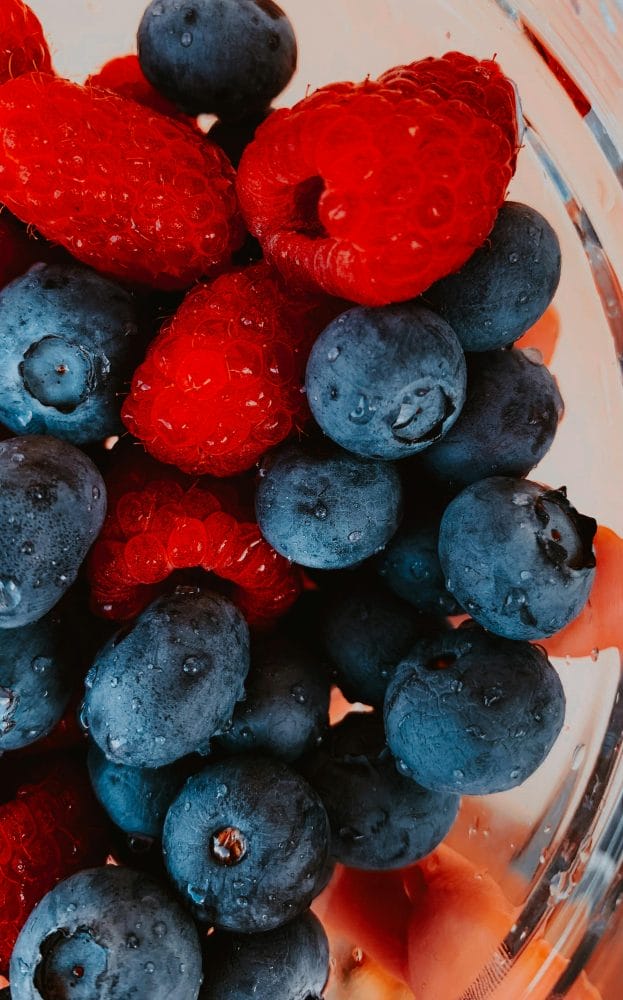
Image Source: Pexels
Buying 2 cartons of strawberries for $5 sounds like the perfect summer bargain. Delicate fruits begin to degrade the moment they leave the refrigerated display case. Unless you plan to freeze the extra berries immediately, they will quickly turn to mush. Paying full price for a single carton is a much smarter financial decision. You avoid the hidden cost of tossing rotting fruit into the garbage disposal.
5. Boxed Pasta and Grains
Hoarding 5 boxes of pasta to save $2 feels like a victory against food inflation. Dry goods take up significant physical space in your kitchen cabinets and pantry shelves. Overcrowding your storage areas makes it difficult to find the items you actually need. Shoppers frequently forget about the hidden boxes and accidentally buy more pasta the following week. Maintaining a lean inventory prevents you from duplicating purchases and wasting your money.
6. Sugary Breakfast Cereals
The cereal aisle is notorious for requiring shoppers to buy 3 boxes to earn the sale price. Children are fickle and frequently decide they hate a specific brand after just 1 bowl. You are then stuck with multiple unopened boxes of sugary food that nobody wants to eat. Donating the extra boxes is a kind gesture, but it still drains your personal funds. Buying a single box allows your kids to test the flavor without the financial commitment.
Rethinking the Multi Buy Strategy
Supermarkets design these promotions specifically to increase their total sales volume. They know that forcing you to buy more items artificially inflates your final checkout total. You must calculate if the minor discount is genuinely worth the risk of food waste. A deal is only valuable if your family can realistically consume the product in time. Shopping for your actual weekly needs is the best way to protect your checking account.
Do you frequently buy items in bulk just to get the discount? Share your grocery strategy in the comments below!
What To Read Next
Why Private Label Is Not Always the Cheapest Option Anymore
7 Items That Are Almost Always Cheaper Frozen
The Most Flexible Proteins to Build Cheap Meals Around
The “What Store Is Actually Cheapest?” Debate — What People Say After Switching