

Image source: pexels.com
Hunting for bargains is a core part of grocery shopping. You track the weekly circulars and clip digital coupons to save money. However, you might notice that certain items never seem to go on sale. You wait months for a price drop that never arrives. This is not an accident. Supermarkets operate on tight profit margins and strict vendor contracts. Some product categories are structurally immune to deep discounts. Understanding which items retain their full retail price helps you budget more accurately. Here are 6 foods that rarely get deep discounts.
1. Fresh Bananas
Bananas are the most purchased item in the produce department. Supermarkets use them as a permanent loss leader. The stores price them at roughly 50 to 60 cents per pound every single day. The profit margin is practically zero. Because the baseline price is already rock bottom, the store cannot offer a 50% discount without losing significant money. You will rarely see a promotional sale on fresh bananas.
2. Basic Milk
The dairy industry faces strict government regulations and price floors in many states. These laws prevent supermarkets from selling milk below a certain cost to protect local dairy farmers. While you might see a promotion tying milk to another purchase, the actual price of a standard gallon of whole milk stays rigid. The store relies on milk to drive weekly foot traffic, so they keep the standard price as low as legally possible all year.
3. Name Brand Spices
The spice aisle is one of the most profitable sections of the entire supermarket. A tiny glass jar of name-brand oregano or cinnamon can cost 6 or 7 dollars. The manufacturers control the pricing tightly and rarely issue high-value coupons. Spices have a long shelf life, so the store never feels pressure to mark them down to clear inventory. Buying spices from bulk bins or international markets is the only reliable way to save cash.
4. Infant Formula
Baby formula is a captive market. Parents need it, and they are completely loyal to the specific brand their pediatrician recommends. The manufacturers know this demand is inelastic. They do not need to offer sales to convince parents to buy the product. Furthermore, the specialized manufacturing and safety testing required for formula keep the baseline production costs high. You must rely on manufacturer-direct checks rather than waiting for a store discount.
5. Premium Pet Food
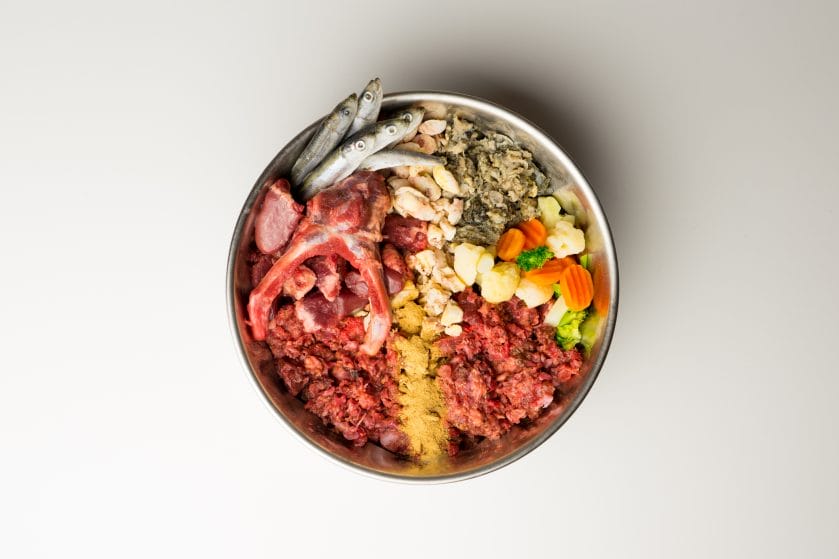
Image Source: Shutterstock
Dog and cat food pricing operates similarly to infant formula. Once a pet owner finds a brand that their animal tolerates, they refuse to switch. Supermarkets know they have a guaranteed recurring sale. The premium kibble brands maintain strict pricing agreements with the retailers. You might earn store loyalty points on your purchase, but a direct 40% price drop on a premium bag of dog food is extremely rare.
6. Fresh Bakery Bread
The bakery department bakes fresh loaves every single morning. The labor and ingredient costs are fixed. A fresh sourdough loaf costs $4 or $5. The store knows that shoppers willing to pay for fresh bakery bread are not looking for a bargain. They want quality. If the bread does not sell, the store repurposes it into croutons or breadcrumbs rather than slashing the price at the end of the day.
Planning Around Fixed Grocery Prices
You waste energy hunting for discounts on items with rigid pricing structures. When you build your monthly budget, calculate the cost of your milk, bananas, and pet food at their full retail price. Reserve your couponing efforts and sale tracking for volatile categories like meat, cereal, and frozen goods. Accepting that certain staples will always demand full price allows you to organize your finances with far more accuracy.
What foods do you wish you could find discounted?
What To Read Next
8 Produce Items That Rarely Get Couponed — But Should
9 Burger and Beef Products That Are Rarely Couponed But Often on Sale
6 Pharmacy Discounts That Shoppers Rarely Claim