
Watermelon is a beloved summer staple, but how much do we really know about this juicy fruit? Over the years, numerous watermelon myths have taken root, influencing how we select, consume, and perceive this refreshing treat. From tales of seeds sprouting in your stomach to misconceptions about its nutritional value, it’s time to set the record straight. Let’s debunk some of the most common watermelon myths and uncover the truth behind them.
1. Swallowing Watermelon Seeds Will Make a Melon Grow in Your Stomach
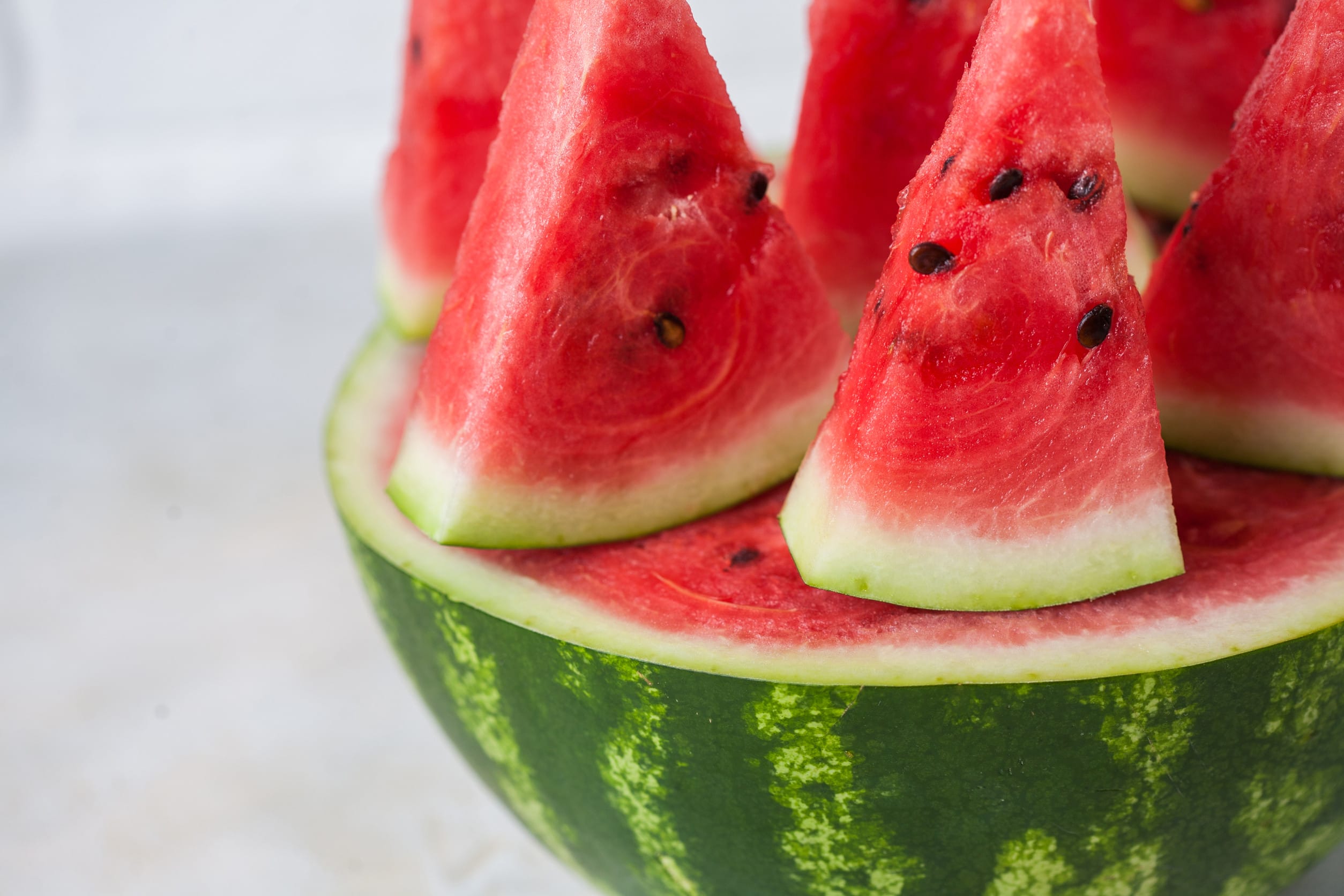
Image Source: 123rf.com
This age-old myth has been told to children for generations, warning them that swallowing watermelon seeds could lead to a melon growing inside them. In reality, our stomachs are not conducive environments for plant growth. The digestive acids and lack of sunlight make it impossible for a seed to sprout. Swallowed seeds typically pass through the digestive system without causing harm. So, rest assured, enjoying watermelon without meticulously removing every seed is perfectly safe.
2. Seedless Watermelons Are Genetically Modified
Many people believe that seedless watermelons are products of genetic modification. However, these watermelons are created through natural hybridization techniques. By crossing specific types of watermelon plants, farmers produce fruit that lacks mature seeds. This process doesn’t involve altering the plant’s DNA in a laboratory. Therefore, seedless watermelons are not genetically modified organisms (GMOs).
3. Watermelon Is Just Water and Sugar
While watermelon is composed of about 91% water, it’s far from being nutritionally void. This fruit is a good source of vitamins A and C, as well as antioxidants like lycopene. Lycopene, in particular, has been linked to heart health and cancer prevention. Additionally, watermelon contains amino acids such as citrulline, which may aid in muscle recovery. So, enjoying watermelon can contribute to your overall nutrient intake.
4. Thumping a Watermelon Determines Its Ripeness
The practice of thumping a watermelon to gauge its ripeness is widespread, but not entirely reliable. The sound produced can vary based on factors like the fruit’s size and rind thickness. More accurate indicators of ripeness include a uniform shape, a creamy yellow spot on the underside, and a dull skin appearance. These visual cues are better predictors of a ripe, sweet watermelon. Relying solely on the thump test might lead to inconsistent results.
5. Only Red Watermelons Are Ripe and Sweet
While red-fleshed watermelons are the most common, they aren’t the only variety that offers sweetness. Yellow and orange-fleshed watermelons are also naturally sweet and ripe when harvested correctly. The color difference is due to varying levels of pigments like lycopene and beta-carotene. These varieties can offer unique flavors and are just as enjoyable as their red counterparts. So, don’t shy away from trying watermelons of different hues.
6. Watermelon Seeds Are Useless and Should Be Discarded
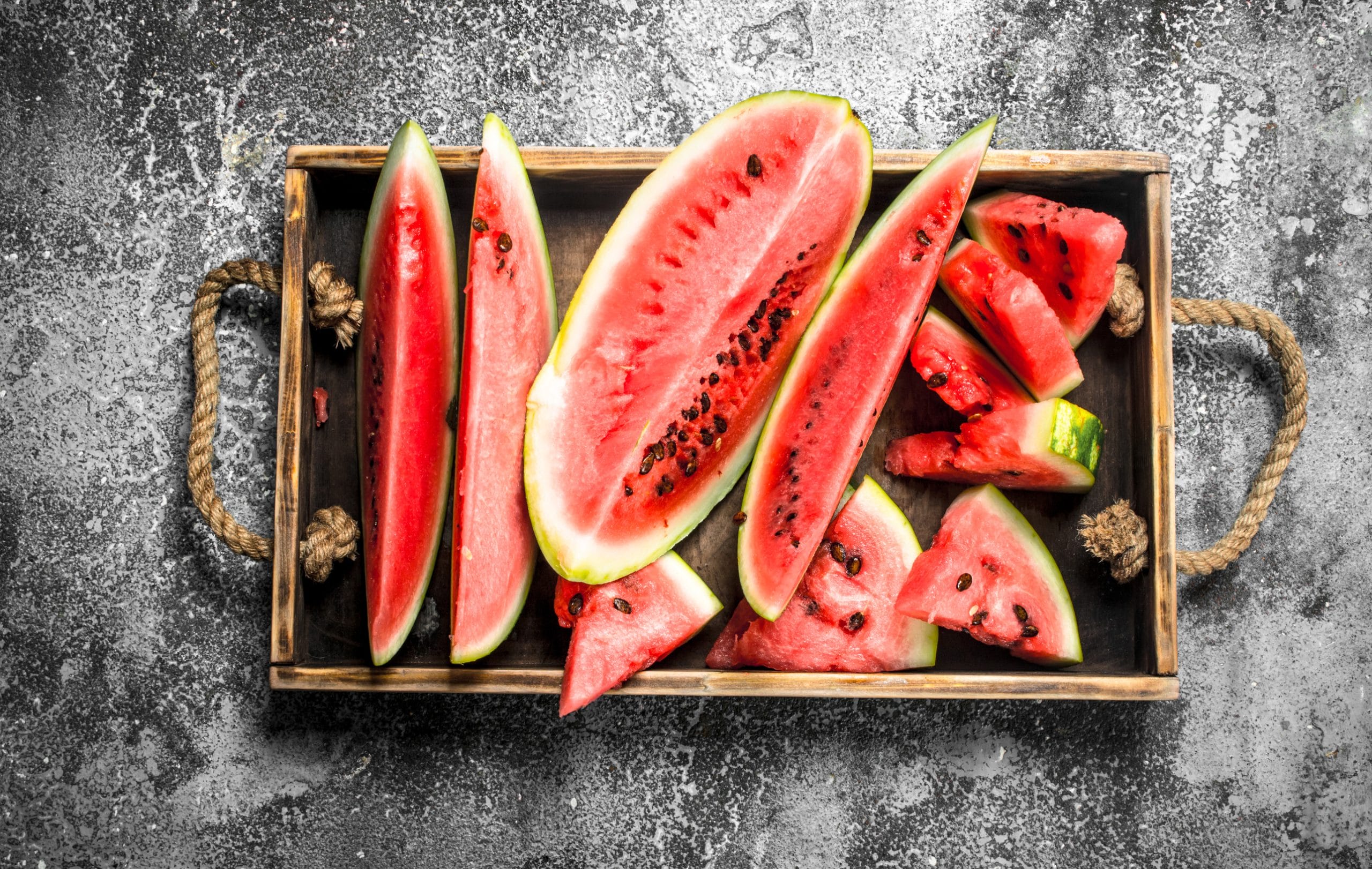
Image Source: 123rf.com
Contrary to popular belief, watermelon seeds are not only edible but also nutritious. They are a good source of protein, healthy fats, and essential minerals like magnesium and iron. Roasting the seeds can make for a tasty and healthy snack. Including them in your diet can contribute to your nutrient intake. So, next time you enjoy watermelon, consider saving the seeds for a nutritious treat.
Embrace the Truth About Watermelon
Understanding the facts behind these watermelon myths allows us to appreciate this fruit even more. By debunking misconceptions, we can make informed choices and fully enjoy the benefits watermelon has to offer. Whether it’s savoring the different varieties or incorporating the seeds into our diet, there’s more to watermelon than meets the eye. Let’s celebrate this refreshing fruit with knowledge and enthusiasm.
Have you encountered any of these watermelon myths before? Share your experiences and any other myths you’ve heard in the comments below!
Read More
These 6 Stores Have The Best Fresh Fruits In The U.S.
5 Fruits That Can Be Preserved in Water (And How to Do It Properly)