
Grocery store hot bars are a tempting option for those seeking a quick and easy meal. With an array of dishes ready to serve, they seem like a perfect solution for busy individuals. However, beneath the surface of this convenience lie potential health risks that are often overlooked. From food safety concerns to hygiene issues, it’s essential to be aware of what you’re really getting when you scoop from that steaming tray. Here are five reasons why you might want to think twice before making the hot bar your go-to meal source.
1. Temperature Control Issues
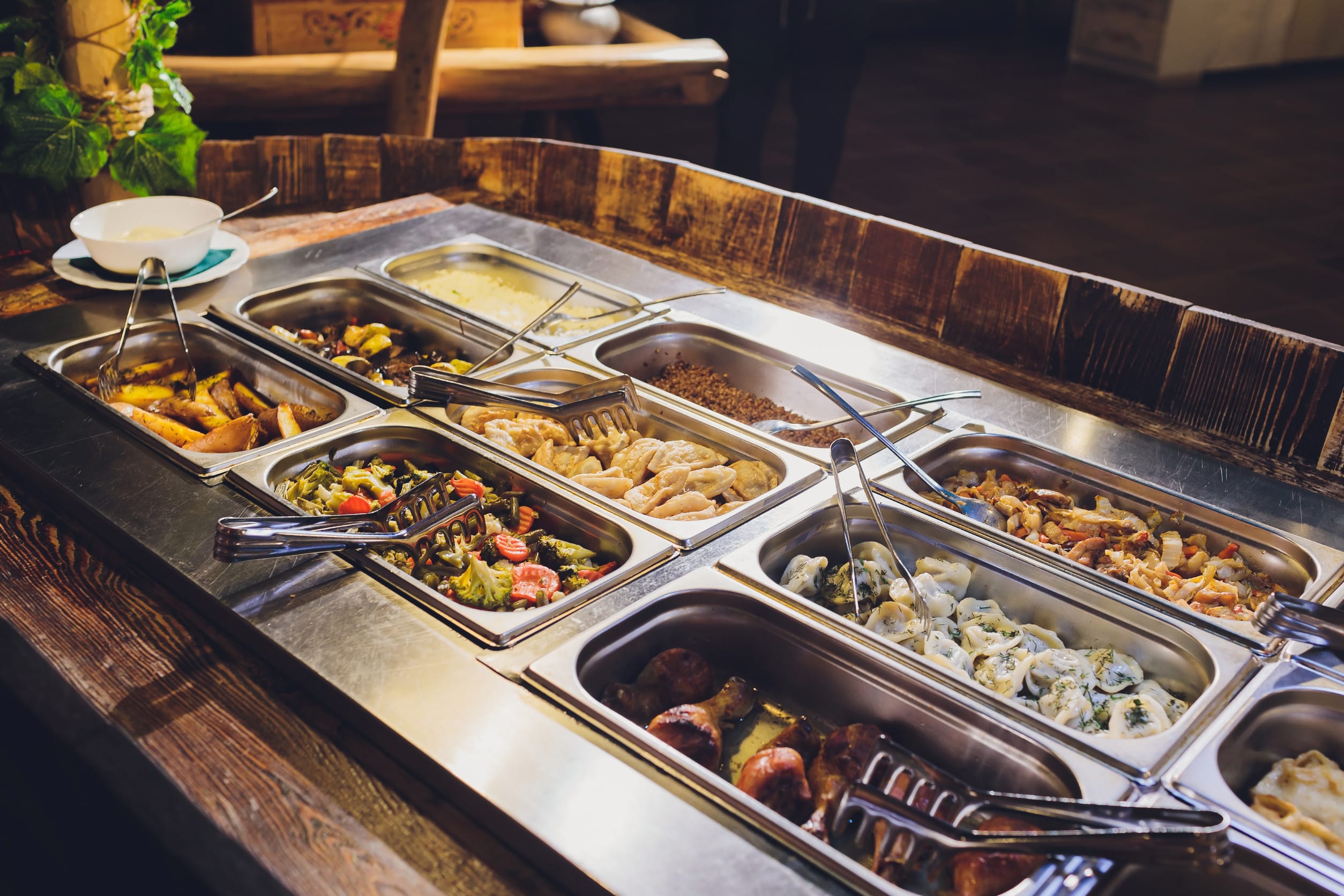
Maintaining proper food temperatures is crucial to prevent bacterial growth. Hot foods should be kept at 140°F or above, while cold foods should be maintained at 40°F or below. Unfortunately, not all hot bars consistently monitor these temperatures, leading to food sitting in the “danger zone” where bacteria thrive. Even if the food appears hot, without regular checks, there’s no guarantee it’s at a safe temperature. Consuming food that’s been improperly stored can increase the risk of foodborne illnesses.
2. Cross-Contamination Risks
Cross-contamination is a significant concern in self-serve food areas. Shared utensils, improper handling, and close proximity of different dishes can lead to the transfer of allergens and bacteria. For instance, tongs used for meat might inadvertently be used for vegetarian dishes, posing risks for vegetarians or those with dietary restrictions. Additionally, if staff or customers handle food without proper hygiene, contaminants can spread rapidly. This lack of control makes it challenging to ensure the food’s safety.
3. Hygiene and Cleanliness Concerns
The overall cleanliness of the hot bar area plays a vital role in food safety. Dirty sneeze guards, unclean utensils, and spilled food can be breeding grounds for bacteria. Moreover, if the surrounding area, including floors and counters, isn’t regularly cleaned, it reflects poorly on the establishment’s hygiene standards. Employees not adhering to proper hygiene practices, like wearing gloves or washing hands, further exacerbate the problem. Such conditions can compromise the safety of the food served.
4. Questionable Food Freshness
Unlike freshly prepared meals, hot bar items might sit out for extended periods. Without clear indicators of when the food was prepared or how long it’s been on display, it’s hard to gauge its freshness. Some establishments might mix new batches with older ones, making it challenging to determine the food’s age. Consuming food that’s been out too long can lead to spoilage and potential health risks. Always be cautious and inquire about the food’s turnover rate.
5. Allergen Exposure
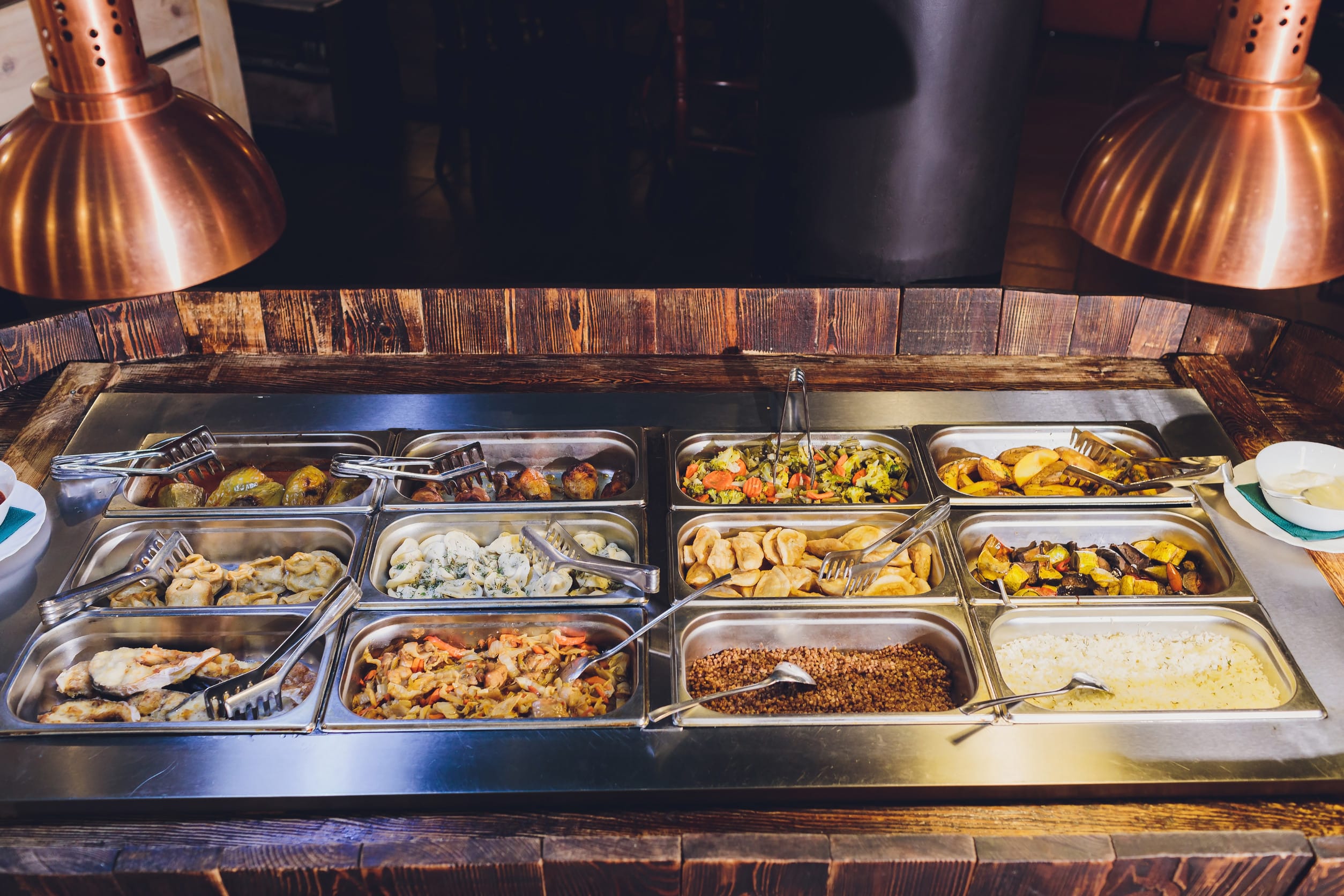
For individuals with food allergies, hot bars can be a minefield. The risk of cross-contact is high, especially when utensils are shared between dishes. Even trace amounts of allergens can trigger severe reactions in sensitive individuals. Without clear labeling and strict protocols, it’s nearly impossible to ensure allergen-free options. Those with allergies should exercise extreme caution or avoid hot bars altogether.
Making Informed Choices for Your Health
While the allure of a quick meal from the grocery store hot bar is undeniable, it’s essential to weigh the convenience against potential health risks. Being informed and vigilant can help you make safer food choices. If you choose to eat from a hot bar, observe the cleanliness, check for proper temperature maintenance, and be wary of cross-contamination. When in doubt, it’s always safer to opt for freshly prepared meals or cook at home. Your health and well-being should always come first.
Have you had experiences—good or bad—with grocery store hot bars? Share your stories and tips in the comments below!
Read More
10 US Grocery Chains Facing Frequent Consumer Criticisms
7 Food Safety Areas Where Grocery Employee Knowledge Might Be Limited