
Summer scorches aren’t just uncomfortable—they’re dangerous, especially in the American Southwest. The National Weather Service (NWS) has issued extreme heat warnings across California, Arizona, and Nevada and is now advising residents to skip coffee and caffeine until the threat subsides. That advice matters: dehydration in triple-digit temps can lead to heat stroke, cramps, and hospital visits. By understanding why this warning matters—and how your morning cup fits into it—you’ll stay safer and more comfortable this summer. Let’s break down the state-specific reasons and smart hydration tips that matter right now.
Extreme Heat In The West Prompts Coffee Warning
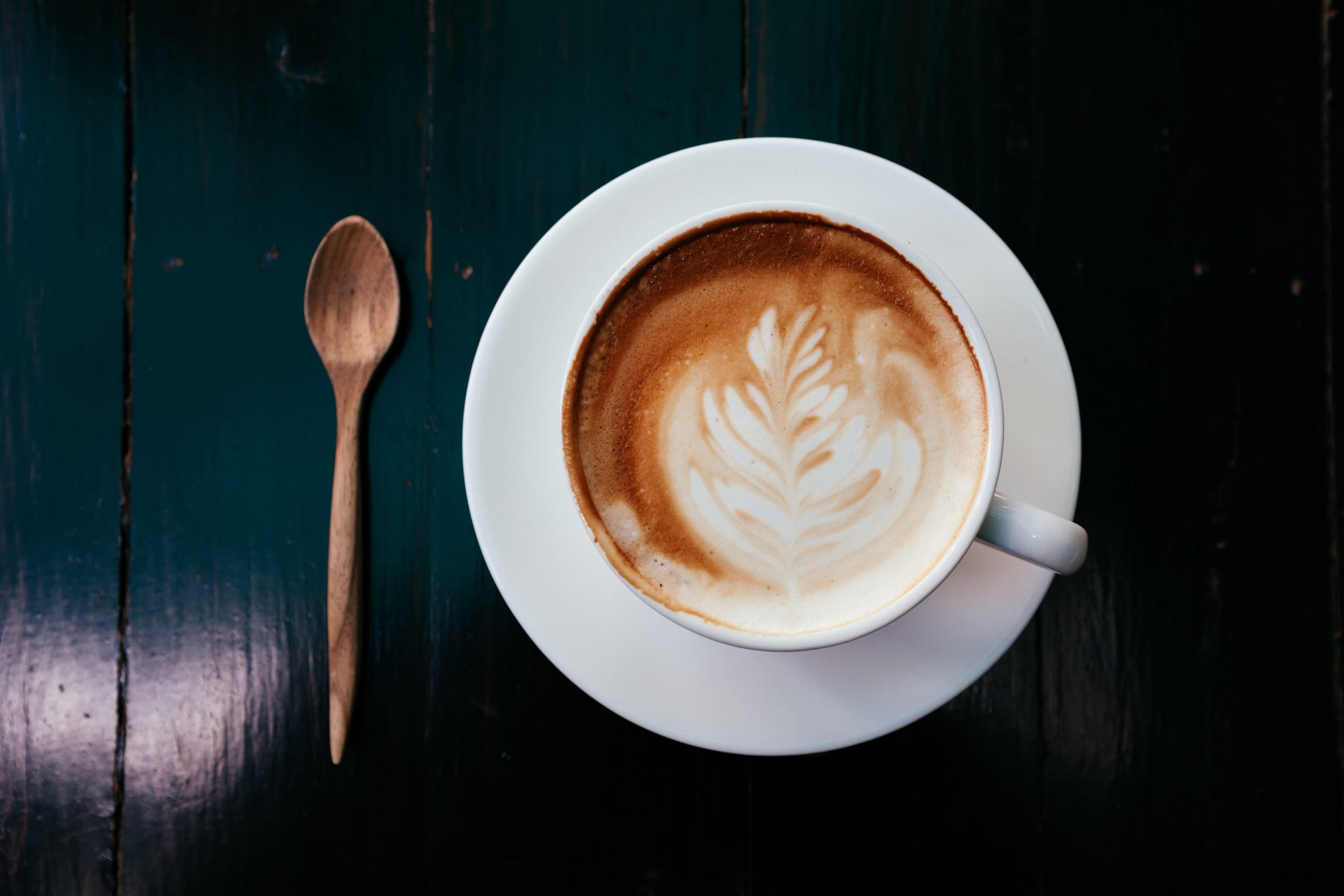
Image Source: 123rf.com
1. Triple-Digit Temperatures & Heat-Related Illness in Nevada
In parts of southern Nevada, including the Las Vegas metro and Lake Mead area, forecasts warn of highs between 107°F–115°F and up to 120°F in Death Valley. At those temperatures, even a brief outdoor stint risks triggering heat cramps or exhaustion. Coffee’s mild diuretic effect—yes, even iced coffee—can accelerate fluid loss in this heat. The NWS cautions that caffeine and alcohol both reduce your body’s ability to stay hydrated and regulate temperature. So in southern Nevada’s heat dome, your comfort and safety depend more on water than your morning java.
2. Arizona’s Desert Danger: Heat Up to 115°F
Central and southern Arizona are facing temperatures up to 115°F, with extreme UV and arid wind amplifying the effects. Hydration is critical—experts warn against reaching for caffeinated drinks during heat waves. One or two cups might not wreck your hydration, but larger amounts could make you feel light-headed or sluggish faster. That’s because caffeine can act as a mild diuretic and hinder your body’s cooling response. When temps spike, swapping coffee for water or electrolyte drinks is a smart move for your body and energy levels.
3. California’s Furnace: Heat Warnings Across the South
Southern California, especially inland valleys and desert zones, is under extreme heat alerts with temperatures surpassing 110°F. During these events, the NWS also advises ditching alcohol and caffeine, both exacerbate dehydration. Ignoring that advice may lead to heat exhaustion or even heat stroke, which can come on fast when cooling pathways are overloaded. Staying hydrated with water or hydrating foods like watermelon supports circulation and temperature control. Remember: coffee is enjoyable, but hydration is essential during California’s scorchers.
Smart Hydration Tips When Skipping Coffee
Image Source: 123rf.com
Skipping your brew doesn’t mean giving up comfort or flavor. Try caffeine-free alternatives like herbal iced tea, which comes with the hydration benefits your body craves. Milk is surprisingly hydrating thanks to its natural electrolytes—some studies show it rehydrates better than water or sports drinks. Also, sip water regularly—about 8 oz every 30 minutes when outdoors—and consider electrolyte options if you’re sweating heavily. Keeping a reusable bottle on hand, setting reminders, or using hydration apps can really help.
Coffee Isn’t the Enemy—Context Is the Key
Good news: normal coffee routines aren’t usually harmful outside of extreme heat. Most experts agree that moderate caffeine intake—1–2 cups—won’t dehydrate most people under normal conditions. The issue here isn’t coffee—it’s summer heatwaves dialing up your risk. When temperatures exceed 100°F and humidity is low, your hydration choices become critical. So treat this as a temporary safety measure, not a coffee ban—with cooler days, your usual routine can resume.
When temperatures soar in Nevada, Arizona, and California, your morning routine needs a tweak. By avoiding caffeine during extreme heat alerts, you significantly reduce the risk of dehydration, cramps, and even heat stroke. Choose hydrating drinks, limit outdoor exposure during peak hours, and watch your body’s signals. This isn’t fearmongering—it’s prudent health advice backed by meteorologists and nutritionists. Stay alert, stay hydrated, and you’ll stay well this summer.
Do you switch to water or tea during heatwaves, or still drink coffee no matter what? Share your hydration habits and tips in the comments below!
Read More
5 Canned Veggies That Seem Healthy—But Could Be Harming You Over Time
12 “Healthy” Grocery Items That Might Be Overpriced or Less Nutritious Than You Think