

When it comes to buying a Thanksgiving turkey, shoppers often face one big decision before choosing the size: Should they buy fresh or frozen? Fresh turkeys offer convenience because they do not require thawing, while frozen birds can be purchased weeks or even months ahead. However, the price difference can make one option a much better fit for your holiday budget.
The good news is that paying more for a fresh turkey does not automatically mean you are getting a better bird. Both options can produce a delicious holiday meal when handled and cooked properly. The better deal depends on the price per pound, how much preparation time you have, and whether you have enough freezer space to plan.
Frozen Turkeys Usually Offer the Better Price
For shoppers focused primarily on cost, frozen turkey is often the more affordable choice. Grocery stores frequently promote frozen whole birds during the weeks leading up to Thanksgiving, sometimes using them as a way to attract shoppers who will also purchase side dishes and other holiday groceries. These promotions can make the price per pound especially competitive compared with fresh or specialty turkeys.
This year’s early price comparisons suggest frozen birds remain a budget-friendly option. An October 2026 comparison from Alabama Cooperative Extension found that a 16-pound frozen whole turkey averaged about $19.68, or $1.23 per pound, compared with $17.28 in October 2025. Prices vary by retailer and location, and Thanksgiving promotions may bring the cost down further. Shoppers should compare local sale prices rather than assume the first turkey they see is the best deal.
Fresh Turkeys Cost More for Convenience
Fresh turkeys appeal to shoppers who would rather avoid the thawing process. You can bring one home shortly before Thanksgiving, keep it refrigerated, and prepare it according to your cooking schedule. That convenience can be valuable when refrigerator and freezer space are limited or when you do not want to plan several days.
However, fresh birds generally have a shorter storage window and may carry a higher price, particularly when they are organic, locally raised, heritage varieties, or marketed as premium products. A fresh turkey is not necessarily more flavorful or tender simply because it was never frozen. If you are considering paying extra, look at the specific product, its labeling, and how much convenience matters to your holiday preparation.
Does Fresh Turkey Actually Taste Better?
Many shoppers assume fresh turkey will taste better because it has not been frozen. In reality, the difference is not that straightforward. Properly handled fresh and frozen turkeys can both produce excellent results, and factors such as the bird’s quality, cooking temperature, seasoning, and preparation method can have a greater effect on the finished meal.
Some frozen turkeys are sold with added broth, salt, or other ingredients intended to improve moisture and flavor. Others are unseasoned, giving cooks more control over preparation. Read the label before purchasing, especially if you plan to brine the turkey or have specific preferences about added ingredients. Paying extra for a fresh bird may make sense if you prefer one, but it is not a guarantee of a better Thanksgiving dinner.
Frozen Turkeys Require More Planning
The biggest disadvantage of frozen turkey is the time required to thaw it safely. A large bird can take several days in the refrigerator, so waiting until Thanksgiving week to start thinking about thawing can create unnecessary stress. As a general guideline, allow approximately 24 hours of refrigerator thawing time for every 4 to 5 pounds of turkey.
Keep the turkey in its original packaging and place it in a tray or pan to catch any leaking juices. A refrigerator-thawed turkey can remain refrigerated for another one to two days before cooking. Never leave a turkey on the kitchen counter to thaw. If you need a faster method, thaw it in cold water while in a leakproof bag and change the water every 30 minutes. A turkey thawed this way needs to be cooked immediately.
Fresh Turkeys Have a Shorter Shopping Window
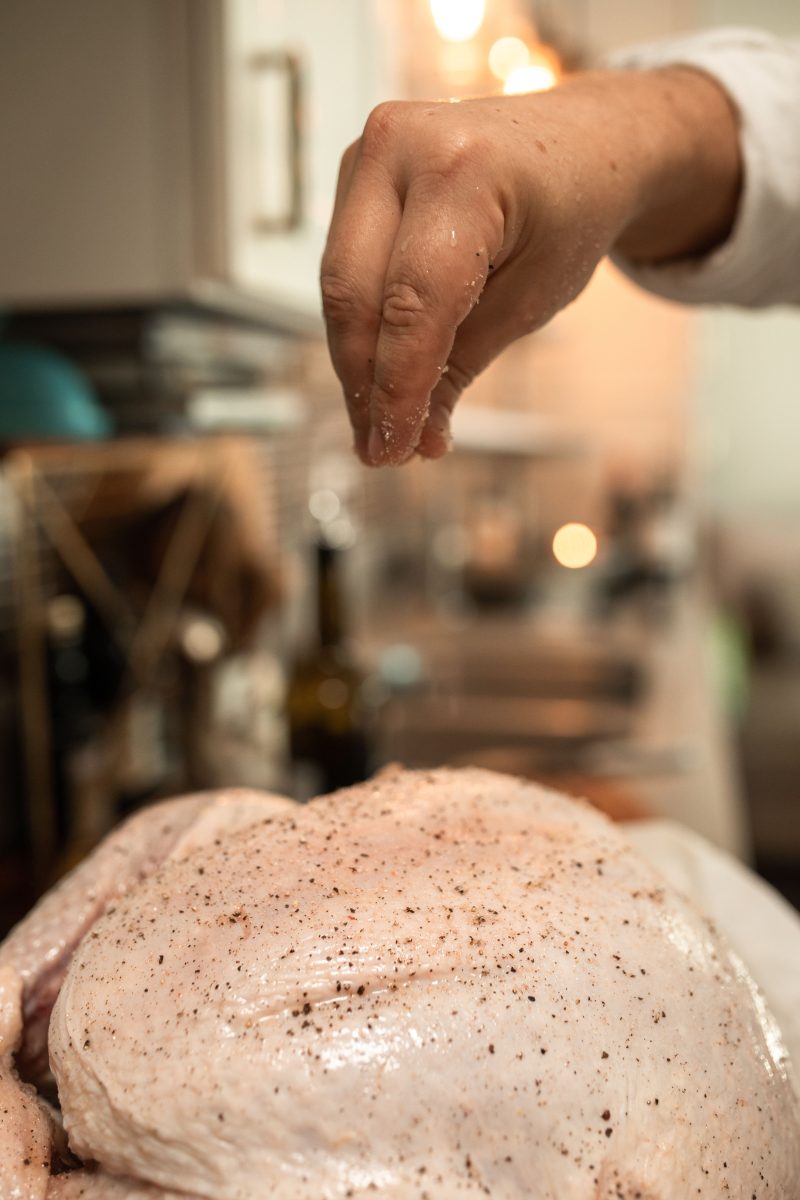
Fresh turkey can be easier to prepare on a tight schedule, but it is not an ingredient you should purchase weeks in advance and leave in the refrigerator. USDA guidance recommends storing a fresh raw turkey in the refrigerator for only one to two days before cooking. That means shoppers need to time their purchase carefully, especially if they are planning to serve the bird on Thanksgiving Day.
This shorter window can also limit opportunities to shop around. If you wait until the final days before the holiday, your preferred size or brand may not be available at the store you usually visit. Frozen turkey offers more flexibility because you can purchase it early and keep it in the freezer. For shoppers who like to spread out holiday grocery expenses, that flexibility can make frozen the more practical choice.
Watch for Labels That Can Change the Value
Not all turkeys are priced the same way, even when they are similar in size. Some birds are labeled self-basting, enhanced, or injected with a solution containing broth, salt, or seasonings. Others may be advertised as organic, free-range, natural, or heritage. These descriptions can affect the price, but they do not all mean the same thing or guarantee a better-tasting meal.
Check the ingredient statement and compare the actual cost per pound before deciding. A larger bird may appear cheaper overall, but it could leave you with more leftovers than you can reasonably use. Also consider whether you need a whole turkey or whether a turkey breast would be more affordable for a smaller gathering. The best value is the product that fits your guest count, cooking plans, and budget rather than the one with the most impressive label.
Which Turkey Should You Buy for Thanksgiving?
For most budget-conscious shoppers, frozen turkey is the stronger deal. It is often less expensive, gives you more time to compare grocery promotions, and can be purchased well before the holiday rush. The main trade-off is that you need enough freezer space and must plan for safe thawing. If you are organized about your shopping and preparation schedule, those extra steps can be worthwhile.
Fresh turkey may be the better choice when convenience is your priority or when you have a particular product in mind that justifies the higher price. But you do not need to spend more to serve a delicious Thanksgiving meal. Compare the price per pound, check the labels, and consider how much time you have before choosing. For shoppers who want to keep holiday costs under control, a well-priced frozen turkey is often difficult to beat.
What To Read Next
4 Places You Can Get Your Christmas Turkey for Free
The Secret Free Turkey Plan May Have Worked: $1 Thanksgiving Dinner Challenge
10 Clever Ways to Save Big on Thanksgiving and Still Have Fun
The Holiday Aftermath: Why Post Memorial Day Sales Are the Best Time to Shop
8 Seasonal Foods That Get the Biggest Discounts After Holidays