
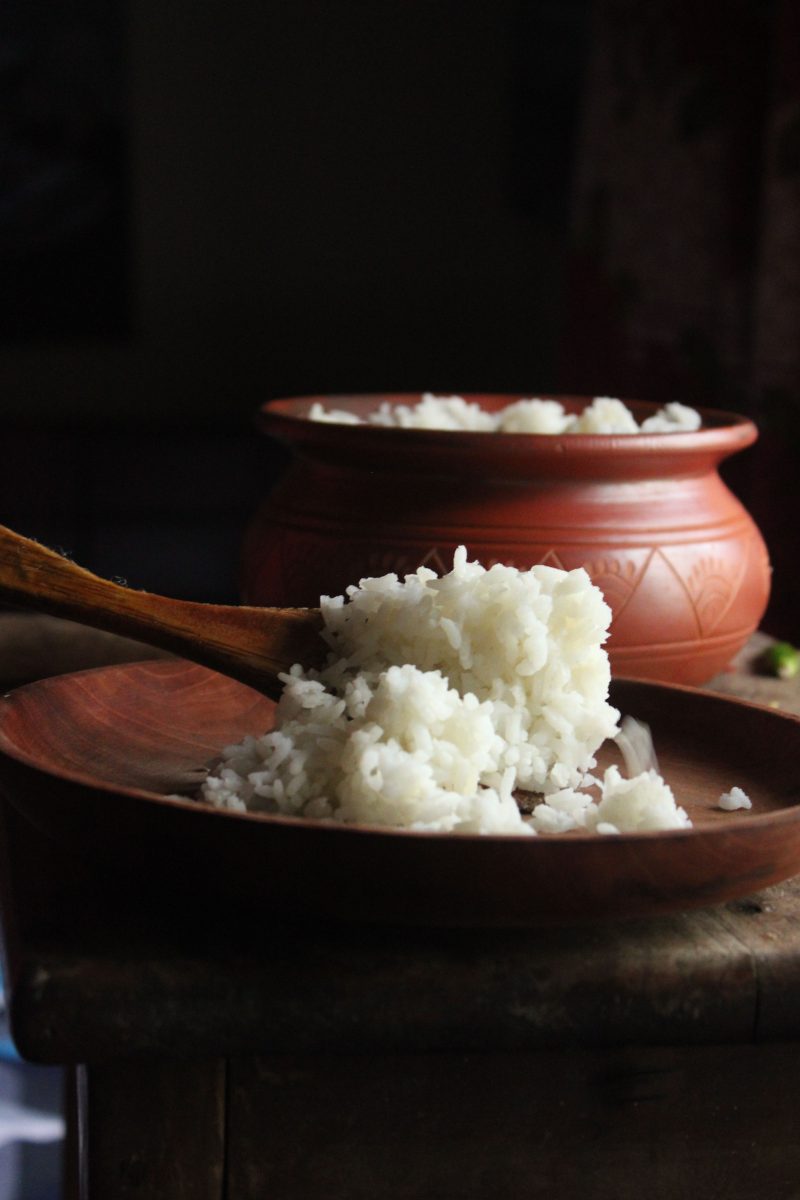
Rice is one of the easiest foods to cook in large batches, and leftovers can make quick meals throughout the week. A container of refrigerated rice might seem like one of the simplest things to save, especially when you plan to use it for fried rice, casseroles, or another dinner. However, cooked rice requires more attention than many people realize. The problem is not just how long it stays in the refrigerator. How quickly it cools, how long it sits at room temperature, and how it is reheated can all affect whether it is safe to eat.
Unlike some leftovers that develop noticeable signs of spoilage, rice can become unsafe without looking or smelling unusual. That makes proper handling especially important. A few simple habits can help prevent foodborne illness while allowing you to get more meals out of the rice you already prepared.
Cooked Rice Can Carry Bacteria That Survive Cooking
One reason leftover rice needs special care is a bacterium called Bacillus cereus. Its spores can naturally be present in uncooked rice and survive the cooking process. Once the rice is cooked, those spores may begin to grow if the food stays at temperatures that allow bacteria to multiply. Rice that cools slowly or sits on the counter for hours creates an opportunity for that growth.
As the bacteria multiply, they can produce toxins that cause food poisoning. Depending on the type of illness, symptoms can include nausea, vomiting, watery diarrhea, and stomach cramps. Symptoms may begin within hours of eating contaminated food. Most cases are relatively short-lived, but the experience can still be unpleasant, and dehydration can become a concern. The important point is that cooking rice properly does not eliminate every potential food safety risk.
Why Leaving Rice on the Counter Is a Problem
It can be tempting to leave a pot of rice on the stove while dinner is being served, especially when the kitchen is busy. Some people also let rice sit out until it reaches room temperature before putting it away. However, cooked rice should not remain at room temperature for an extended period. The longer it sits in the temperature range where bacteria multiply quickly, the greater the opportunity for unsafe bacterial growth and toxin production.
The general food safety rule is to refrigerate perishable foods within two hours of cooking or serving. If the surrounding temperature is above 90 degrees Fahrenheit, such as during an outdoor meal, that window drops to one hour. Do not leave rice in a switched-off rice cooker, cooking pot, or serving dish to cool for several hours. If you are not serving it immediately, either keep it hot at a safe temperature or begin cooling it promptly.
The Right Way to Cool and Store Leftover Rice
A large pot of rice can take longer to cool than a small portion, which is why dividing leftovers into smaller amounts matters. Instead of placing the entire batch in one deep container, transfer the rice into clean, shallow containers. This gives heat a better opportunity to escape and helps the rice cool more quickly. Refrigerate the portions promptly rather than waiting for the rice to become completely cold on the counter.
Keep your refrigerator at 40 degrees Fahrenheit or below, and use airtight containers to store the rice. Labeling containers with the cooking date can also help prevent forgotten leftovers from lingering in the back of the refrigerator. Properly refrigerated cooked rice should generally be used within three to four days. If you know you will not eat it within that window, freezing it in meal-sized portions is a better option than keeping it refrigerated longer.
How to Tell When Leftover Rice Has Spoiled
Rice that has spoiled may develop an unpleasant or sour smell, a slimy or unusually sticky texture, discoloration, or visible mold. These are reasons to throw it away rather than trying to salvage it. However, the absence of these warning signs does not guarantee that rice is safe. Bacillus cereus contamination and toxin production may not create an obvious change in appearance, taste, or smell.
That is why the time and temperature history of the rice matter more than a quick sniff test. If cooked rice sat on the counter beyond the recommended time, it should be discarded even if it still looks fresh. The same applies if you cannot remember when it was prepared or how it was stored. Tasting a small amount is not a reliable way to check whether it is safe. When the storage history is uncertain, throwing it away is the safer choice.
Reheating Rice Does Not Fix Improper Storage
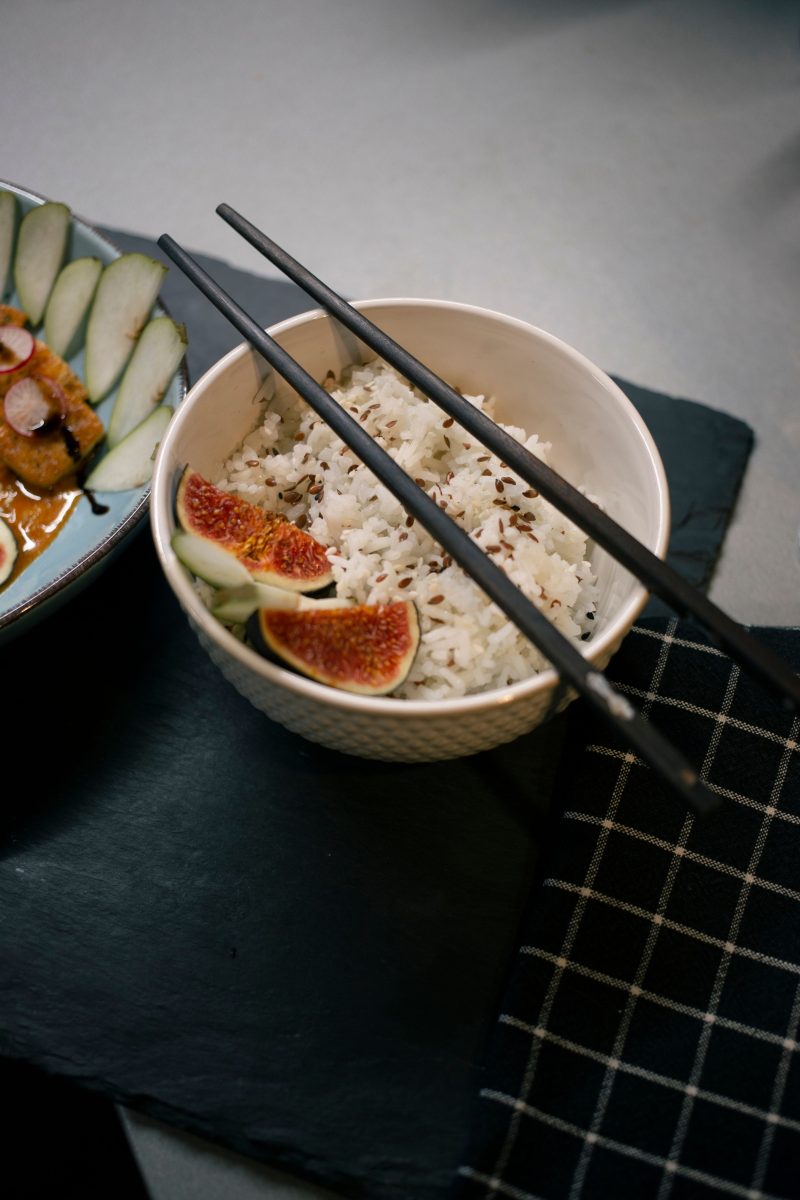
Leftover rice can be reheated in the microwave, on the stovetop, or as part of another cooked dish. However, reheating is not a way to make rice safe after it has been stored improperly. Some toxins produced by Bacillus cereus are heat-stable, meaning ordinary cooking or reheating may not destroy them. Even if the rice becomes piping hot, that does not necessarily remove toxins that formed while it was sitting out.
For rice that was cooled and refrigerated properly, reheat leftovers until they reach an internal temperature of 165 degrees Fahrenheit. When using a microwave, stir the rice partway through heating and allow it to stand briefly so heat can distribute more evenly. Check the temperature in several spots if possible, since microwaves can leave cold areas. Only reheat the portion you intend to eat rather than repeatedly warming and cooling the entire container.
Take Extra Care With Takeout and Fried Rice
Restaurant and takeout rice deserves the same attention as rice prepared at home. You may not know how long it was cooked, how it was held before serving, or how it was handled during delivery. Once the food arrives, refrigerate any leftovers within two hours, or within one hour if exposed to temperatures above 90 degrees Fahrenheit. Do not assume that rice from a restaurant is safe to leave on the counter simply because it was freshly delivered.
Fried rice is another dish where storage habits matter. Using refrigerated rice that was cooled promptly and stored correctly can be convenient, but leaving a batch out overnight to prepare it the next day is not safe. The fact that rice will be cooked again in a skillet does not undo earlier temperature abuse. If you are making extra rice specifically for another meal, divide it into shallow containers and refrigerate it promptly. That way, you can enjoy the convenience of prepared rice without taking unnecessary food safety risks.
A Few Minutes of Care Can Protect Your Leftovers
Cooked rice can be a practical way to stretch groceries and make weeknight meals easier, but it should not be treated as a leftover that can sit around indefinitely. The biggest risks often begin before the rice ever reaches the refrigerator. Cooling it promptly, dividing large batches into shallow containers, and keeping the refrigerator at the proper temperature are simple steps that make a meaningful difference.
The most important rule is to avoid relying on appearance or smell to decide whether rice is safe. Remember the two-hour refrigeration window, use refrigerated rice within three to four days, and reheat properly stored portions to 165 degrees Fahrenheit. If rice has been left out too long or its storage history is unclear, do not try to rescue it by reheating. Saving a small amount of food is not worth risking food poisoning.
What To Read Next
Grocery Prices Are Still Rising — But Not Every Food Category Is Getting More Expensive
10 Grocery Staples You Should Never Buy Without Checking the Unit Price
The Refill Station Trend: How Buying Bulk Grains Saves Shoppers on Pantry Staples
5 Foods That Can Last Beyond Their Best-By Date and 5 That Spoil Quickly
The Return of Heritage Grains Why Shoppers are Trading Mass Produced Flour for Ancient Varieties