
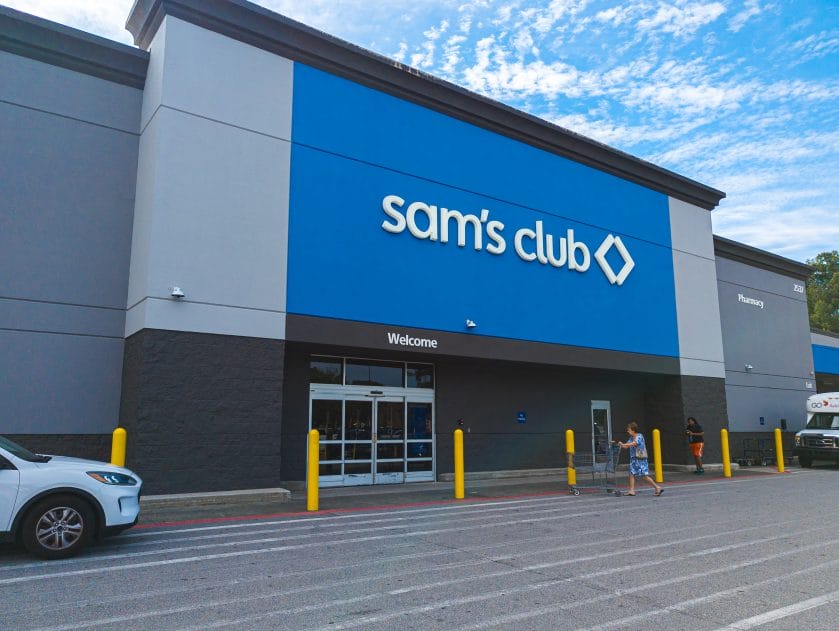
Image Source: Shutterstock
The race to conquer the digital grocery market is forcing corporate retailers to innovate at breakneck speeds. Consumers are no longer satisfied with waiting a full 24 hours to receive their weekly pantry staples. The demand for instant gratification is pushing logistical networks to perform seemingly impossible delivery feats. One major warehouse chain is currently setting new speed records that are shocking industry analysts. Let us dive into how Sam’s Club is delivering groceries in less than 12 minutes to its loyal members.
1. The Race for Faster Fulfillment
Securing brand loyalty in 2026 requires offering unparalleled convenience to busy suburban families. Traditional delivery windows forcing shoppers to stay home for hours are becoming highly obsolete. Retailers know that the company offering the fastest, most reliable service will ultimately capture the most digital revenue. Sam’s Club recognized this shifting consumer expectation and heavily upgraded its internal logistics program. Treating digital fulfillment as a top corporate priority allowed them to shatter previous industry delivery benchmarks.
2. Utilizing Micro Storage Hubs
Achieving a 12-minute delivery time is physically impossible if drivers must navigate a massive retail warehouse. The company solved this problem by building specialized micro fulfillment centers closer to dense residential neighborhoods. These small autonomous hubs stock only the most frequently ordered daily grocery items and household essentials. Storing the inventory just a few miles away from the consumer drastically cuts down the transit time. This decentralized approach to inventory management is the secret engine behind their rapid delivery success.
3. Advanced Algorithmic Routing
Dispatching drivers efficiently requires highly sophisticated software that can predict traffic patterns and neighborhood layouts. The delivery application uses advanced artificial intelligence to map the fastest possible route to your front door. The software groups nearby orders together to ensure the driver minimizes their time spent on the road. The system even accounts for current weather conditions and temporary road construction projects in real time. Equipping the drivers with smart routing tools shaves precious minutes off every single transaction.
4. Changing Consumer Expectations
Experiencing ultra-fast delivery permanently alters how families manage their weekly meal planning routines. Parents no longer need to panic when they realize they forgot to buy milk for breakfast. They can simply tap their smartphone and have the missing carton waiting on the porch moments later. This extreme convenience eliminates the stress associated with traditional, bulky grocery shopping trips. Competitors must now scramble to match this speed or risk losing their digital market share entirely.
The New Standard for Convenience
The digital grocery industry is changing the way families plan their weekly meals and household chores. Building localized fulfillment centers allows brands to reach their front door faster than ever before. This rapid service eliminates the anxiety of forgetting a crucial ingredient for your family dinner. Competing retailers must now adapt their own logistical networks to keep up with this new speed. Consumers are the clear winners in this corporate race for delivery dominance.
Have you ever received a grocery delivery in under 15 minutes? Share your digital shopping stories in the comments below!
What To Read Next
Costcos New Pre-Scan Teams: Why Workers Are Now Scanning Your Cart Before You Reach the Register
10 Items at Sam’s Club That Can’t Be Found at Any Other Stores
How Costco and Sam’s Club Handle Urgent Food Recalls
The Warehouse Club Paradox: Why Paying to Shop Can Cost You More