
Image source: shutterstock.com
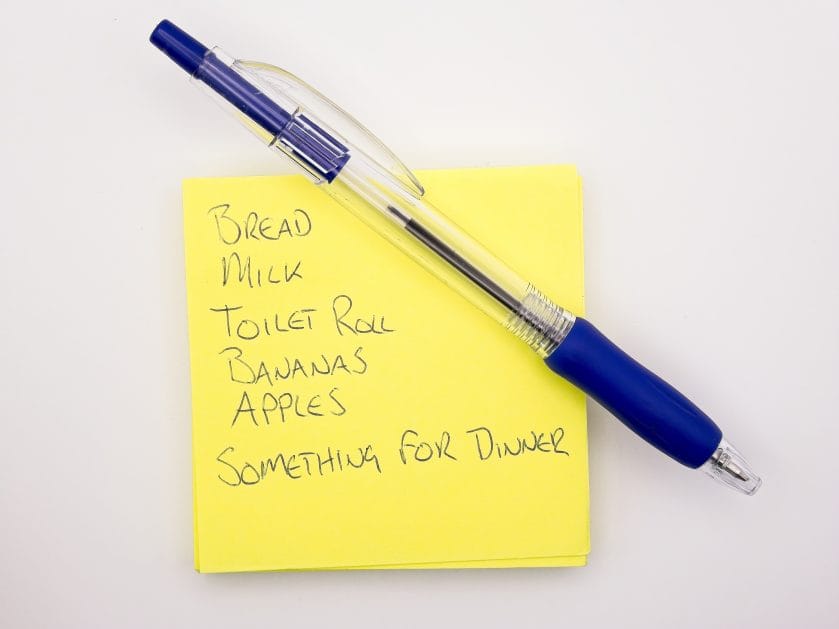
Most people build their grocery list based on what they are craving or what they ran out of. This is the “demand-based” method, and it is the most expensive way to shop. It guarantees that you will pay full price for almost everything in your cart. To truly beat inflation in 2026, you need to flip the script and use a “supply-based” listing. This means building your list based on what the market is selling cheaply, not just what you want to eat. By restructuring how you write your list, you can force your grocery bill down by thirty percent without using a single coupon.
Step 1: Reverse Meal Planning
Before you write “chicken” on your list, open your store’s digital flyer or app. Look at the front page. The items on the front page are the “loss leaders”—the proteins and produce the store is selling at or below cost to get you inside. If pork chops are on the front page and chicken is not, your list should say “pork chops.” This simple swap ensures the most expensive part of your meal is always purchased at a discount. Build your weekly menu after you see what is on sale, not before.
Step 2: The “Pantry First” Audit
The cheapest food is the food you already own. Before you add a single item to your list, stand in front of your open pantry and freezer. Identify the “orphans”—the half-box of pasta, the can of beans, the frozen bag of peas. Your first goal is to list items that turn these orphans into meals. If you have pasta, your list should include “sauce,” not a whole new dinner kit. This reduces food waste and lowers the number of items you need to buy to put dinner on the table.
Step 3: Categorize by Aisle
A disorganized list leads to wandering, and wandering leads to impulse buying. Retailers want you to backtrack because every extra minute in the store increases the likelihood of an unplanned purchase. Organize your list by aisle: Produce, Deli, Meat, Dry Goods, Dairy, Frozen. This creates a tactical flight path through the store. You move efficiently from section to section, grabbing only what is written down, and checking out before the marketing displays can tempt you.
Step 4: Use “Generic” Placeholders
Instead of writing “Honeycrisp Apples,” write “Sale Fruit.” Instead of “Asparagus,” write “Green Vegetable.” When you get to the produce section, buy whatever looks freshest and is cheapest that week. If asparagus is $5.99 a pound but green beans are $1.99, you buy the beans. By keeping the category flexible, you permit yourself to make the smart financial choice in the moment rather than being locked into an expensive ingredient.
Step 5: The “buy Price” Notation
Next to key items on your list, write down your “buy price”—the maximum you are willing to pay. For example, “Eggs (under $3.00).” If you get to the store and eggs are $5.00, the note on your list reminds you to skip them or buy a substitute. This prevents “sticker shock paralysis,” where you panic and buy the expensive item anyway. It keeps your budget rational and emotionless.
Step 6: The “Two-Day” Rule
Finally, limit your fresh produce list to only what you will eat in the next three days. Humans are terrible at predicting their future hunger. We aspire to eat salads all week but end up ordering pizza on Thursday. By listing only 3 days of fresh food, you eliminate the “aspirational rot” that happens in the crisper drawer. You can always stop for more lettuce later, but you can’t un-buy the slime.
A grocery list is not just a reminder of what to buy; it is a contract with your wallet. By building it around sales, inventory, and flexibility, you transform it from a wish list into a savings battle plan.
What to Read Next
The Shelf Placement Trick That Makes You Forget Your List
Holiday Grocery Lists That Stretch Farther With App Stacking
7 Ways Retailers Use Your Grocery List to Predict Your Next Move