
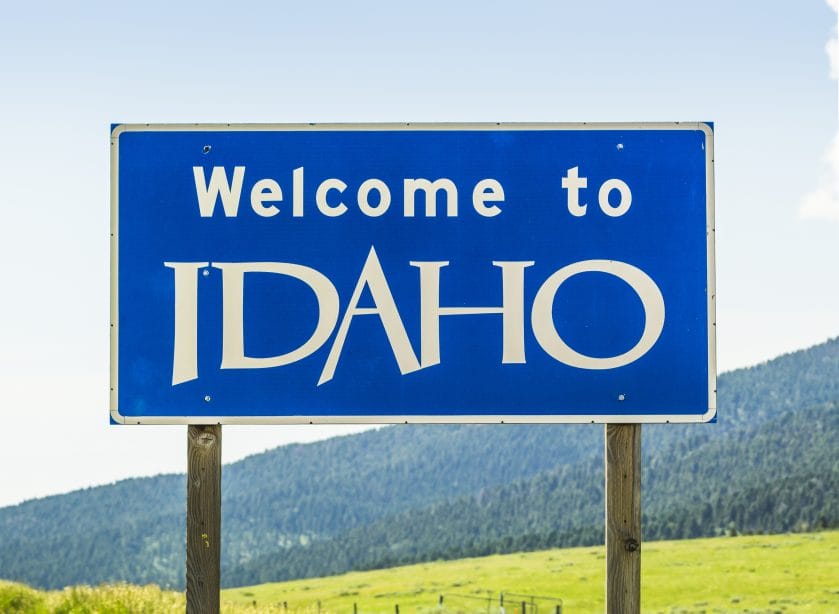
Image Source: Shutterstock
Finding a reliable place to purchase fresh produce is becoming a serious challenge for residents across the Pacific Northwest. Corporate retail executives are currently executing a massive evaluation of their physical real estate portfolios across the region. Several prominent Idaho grocery chains recently shocked local communities by announcing a sudden wave of permanent store closures this spring. These abrupt operational decisions completely devastate local neighborhoods that rely entirely on 1 specific supermarket for their daily survival. When a neighborhood grocery store locks its doors, families must scramble to secure alternative food sources immediately. Let us explore exactly why these Idaho grocery chains are closing their doors and how you can protect your weekly food budget during this chaotic transition.
The Shift Toward Regional Hubs
The supermarket landscape is evolving rapidly this spring as corporate executives execute massive physical business strategies. Major retail chains are making highly calculated decisions to optimize their expansive real estate portfolios across Idaho. Giant corporations are actively abandoning their older neighborhood buildings to fund the construction of massive regional supercenters. Closing these specific outdated locations allows the corporate office to streamline its daily operations and reduce massive overhead costs. This strategic corporate pivot helps local shoppers anticipate exactly where the regional grocery industry is heading over the next decade.
Discount Retailers Retreating From Rapid Expansion
Supermarkets are not the only major retail brands restructuring their real estate portfolios in Idaho this year. Grocery Outlet recently announced the permanent closure of 36 stores nationwide. This includes struggling retail locations in cities like Idaho Falls and Pocatello. Corporate leadership openly admitted that they expanded their footprint too quickly and must close locations that lack a viable path to long-term regional profitability. The company hopes these targeted real estate closures will free up $12 million to assist its remaining profitable stores operating in the surrounding area. Shoppers living in these affected rural towns must now find alternative retailers to stretch their weekly grocery budgets during periods of high economic inflation.
Replacing Human Labor With Digital Automation

Image Source: Shutterstock
To survive against giant retail competitors, local supermarkets are investing millions of dollars into new artificial intelligence and advanced digital fulfillment technology. Albertsons recently launched a proprietary software tool called Gateway. It will boost internal inventory efficiency and automate the daily shelf replenishment process across its stores. Investing in these sophisticated digital systems requires fewer physical in-store workers. This leads to significant payroll reductions at the neighborhood level. The company reported a 21% increase in digital sales recently, proving that modern shoppers are eagerly embracing online ordering platforms. These strategic technological investments allow the grocery chain to deliver faster customer service while lowering daily labor costs.
Building a Resilient Standalone Brand
Despite the recent wave of store closures, regional grocery chains are actively fighting to retain their loyal customer base through strategic store upgrades. Albertsons is leaning heavily into high-margin private-label products and a highly lucrative digital loyalty program to drive daily consumer foot traffic. Shoppers are noticing a renewed focus on expanding the fresh produce sections and upgrading the in-store bakery departments to attract premium grocery buyers. Competing directly with retail titans like Walmart and Amazon requires local grocers to offer superior culinary quality and excellent daily customer service. The companies surviving the current retail shakeup are the ones providing genuine financial value and a welcoming shopping environment to the surrounding local community.
Navigating the Changing Retail Map
The supermarket industry is undergoing a massive physical transformation to meet modern consumer demands and survive inflation. The strategic closure of older grocery stores proves that corporate brands are willing to sacrifice outdated real estate to secure future profits. Shoppers must quickly adapt to this new reality by transitioning their weekly trips to these massive regional supercenters. While losing a tiny neighborhood store is frustrating, the new massive formats provide unparalleled retail convenience and extreme product variety. Understanding this corporate retail strategy helps you navigate the changing Idaho market with absolute financial confidence this spring.
How far do you have to drive to reach your primary grocery store? Share your shopping routines in the comments below!
What To Read Next
8 Iconic Food Brands You’ll Find in Idaho
7 Grocery Store Items That Are Weirdly Popular in Only One State
6 “Local” Brands That Are Actually Owned by Other Countries
5 Signs Your Local Grocery Store Is Preparing to Close Its Doors
6 Store Chains That Still Haven’t Recovered From Customer Backlash