
Image source: shutterstock.com
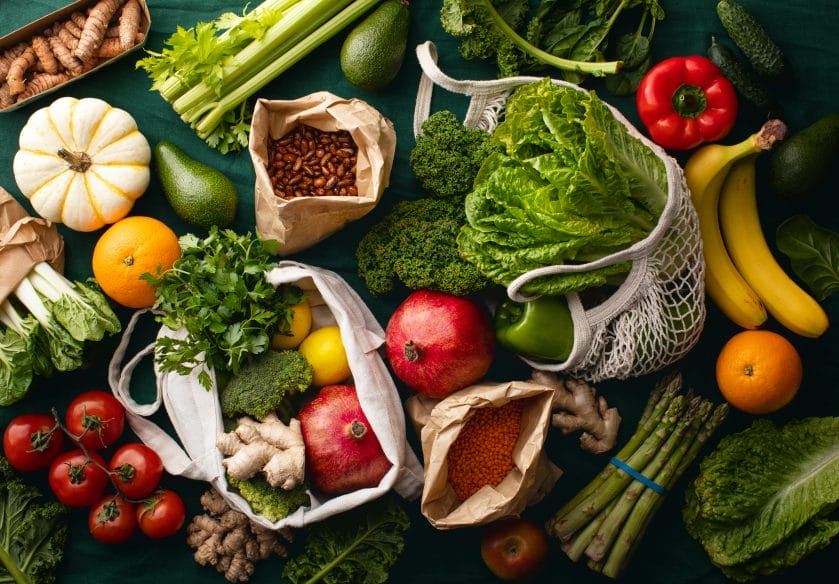
Shoppers face a difficult choice in the produce aisle. Fresh vegetables look appealing but carry a high price tag. Frozen vegetables seem like a compromise but offer stability. In 2026, supply chains remain volatile. Weather events spike the cost of fresh crops overnight. Smart shoppers must know when to choose the freezer case over the produce bin. The answer depends on nutrition, waste, and price stability.
The Myth of the “Fresh” Nutrient Premium
Many consumers believe fresh produce contains more nutrients. This is often false. Farmers pick fresh produce before it ripens. It ripens on a truck and sits in a warehouse before sitting on a store shelf. It loses nutrients every day during this journey. Processors pick frozen produce at peak ripeness, then flash-freeze it immediately. This locks in the vitamins and minerals. A bag of frozen broccoli often contains more nutrition than a head of “fresh” broccoli that traveled two thousand miles.
The Price Stability Factor
Fresh produce prices rely on the spot market. A drought in California sends the price of fresh lettuce soaring instantly. Frozen produce relies on long-term contracts. Manufacturers buy crops months in advance at set prices. This insulates the freezer aisle from weekly volatility. You will see the price of fresh spinach jump fifty cents in a week. The price of frozen spinach rarely moves. Frozen offers a predictable line item for your budget.
Eliminating the Waste Tax
Fresh produce rots. Americans throw away billions of pounds of food annually. Every time you throw away a slimy bag of salad, you lose money. Frozen produce does not rot. You use what you need and put the bag back in the freezer. There is zero waste. This effectively lowers the cost per serving. You consume one hundred percent of what you buy.
Texture Matters for Usage
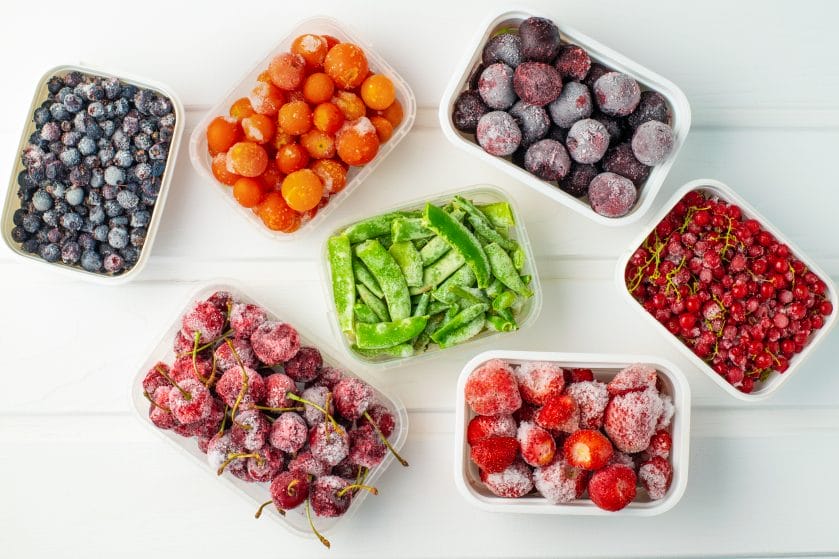
Image source: shutterstock.com
Frozen produce has one major downside. The freezing process changes the texture. Ice crystals break down cell walls, and thawed vegetables become soft. You cannot use frozen lettuce for a salad or a frozen cucumber for a crunch. Fresh wins for raw applications. Frozen wins for cooked applications. Use frozen vegetables for soups, stews, stir-fries, and smoothies. The texture difference disappears in these dishes.
The “Seasonality” Rule
Buy fresh when the item is in season locally. In-season produce is abundant. It is cheap and tastes best. Buy frozen when the item is out of season. Buying fresh berries in January is a financial mistake because they are expensive imports. Frozen berries in January are affordable and sweet. Let the calendar dictate your choice.
The Pesticide Advantage
Frozen produce often undergoes rigorous washing before freezing. However, fresh produce requires you to do the work. While you should wash all produce, the industrial washing process for frozen goods provides an extra layer of safety. Organic frozen options are also frequently cheaper than organic fresh options.
Making the Strategic Switch
Stop viewing frozen food as a downgrade. View it as a strategic asset. It offers higher nutrient density for a lower, stable price. Keep your freezer stocked with staples. Reserve your fresh budget for salads and items you will eat raw within two days.
What to Read Next
The Rise of Imperfect Produce Lines: How Ugly Fruit Is Saving Shoppers 30%
5 Produce Items With the Biggest January Price Swings
Food Safety Investigators Warn of Contaminated Produce Arriving Late in Season