
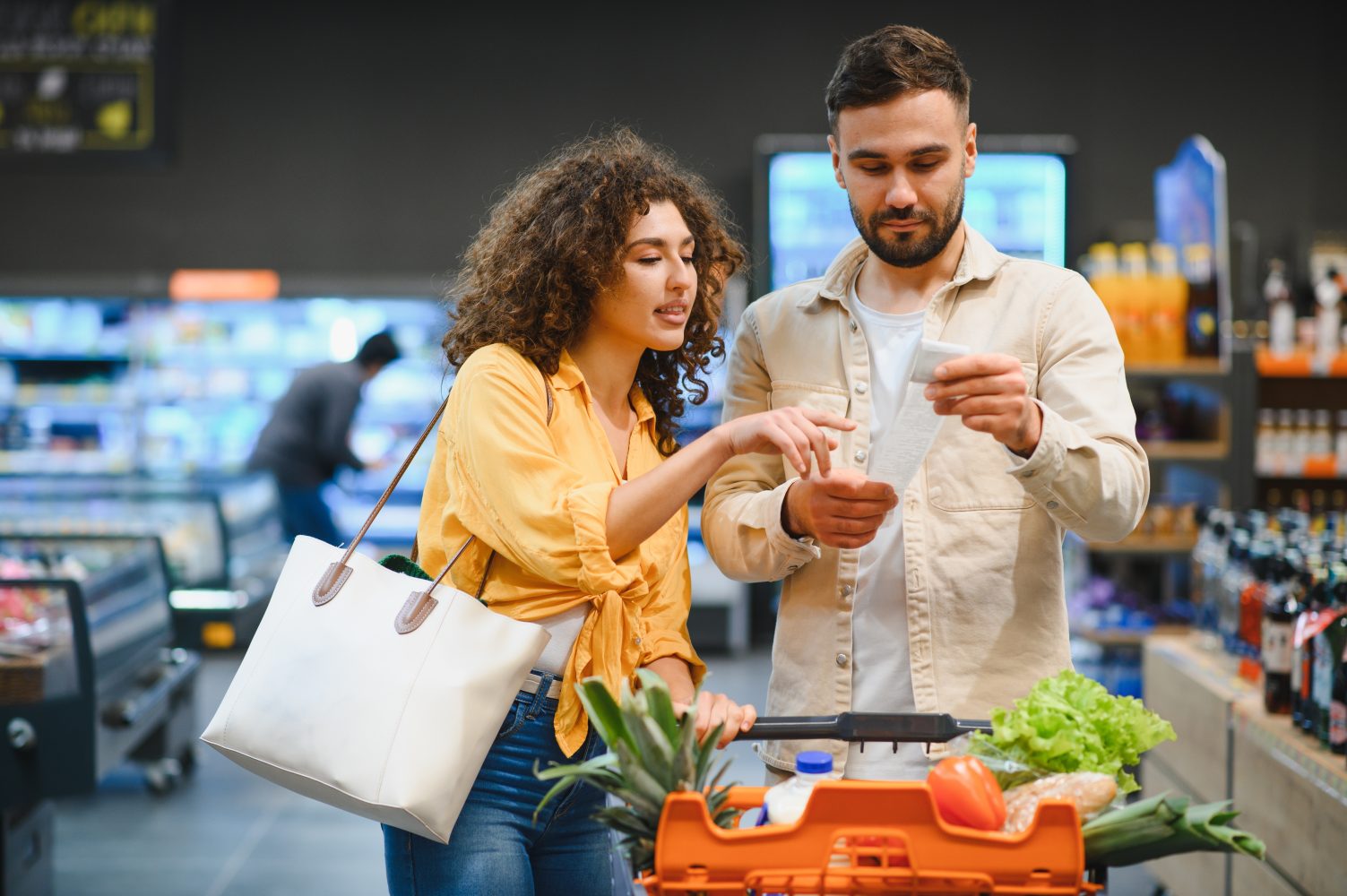
When grocery bills keep stretching household budgets, a discount can make sharing personal information seem like a reasonable trade. Grocery stores already track purchases through loyalty programs, while shopping apps can collect information about searches, saved items, and buying habits. Now, retailers are exploring more ways to use artificial intelligence to predict what customers want and deliver personalized offers. A 2026 grocery-industry report found that nearly half of surveyed consumers would allow a retailer to use AI to predict their shopping lists if it guaranteed lower prices. The finding highlights a growing tension in grocery shopping: consumers want meaningful savings, but they may not always know what they are giving up to get them.
Why Shoppers Are More Willing to Share Their Data
The survey from Iridio by RRD found that 48% of consumers would allow a grocery retailer to use AI to predict their shopping list if doing so guaranteed lower prices. The promise of a direct financial benefit appears to be a major part of the appeal. When food costs compete with rent, utilities, and other household expenses, personalized savings can sound more useful than generic advertisements. For shoppers trying to lower their weekly total, sharing information may feel like a small price to pay.
The findings do not mean every shopper is comfortable with extensive data collection, nor do they prove that people would accept any privacy trade-off. The appeal depends on what the retailer offers in return. A shopper might welcome a coupon for a regularly purchased product but feel differently about a company building a detailed profile of household habits. The distinction matters because consumers may be willing to share certain information for a clear benefit without wanting every aspect of their shopping behavior tracked.
What Grocery Stores Can Learn From Your Shopping Habits
Loyalty cards and grocery apps can help retailers understand which products customers buy, how often they return, and which promotions attract their attention. Online shopping can reveal even more, including products shoppers search for, items they add to a cart, and purchases they abandon before checkout. When analyzed together, these patterns can help retailers forecast demand, recommend products, and decide which discounts might appeal to particular customers. The data can also help stores manage inventory and plan promotions.
Artificial intelligence can make these systems more sophisticated by identifying patterns across large amounts of information. For example, a retailer might predict when a customer is likely to need coffee again or suggest a discount on a frequently purchased household staple. That can make shopping more convenient when the recommendations are relevant. However, the information collected and how it is used vary by retailer, platform, and privacy policy, so shoppers should not assume every store collects or processes the same data.
Shoppers Want Discounts, Not Just More Targeted Ads
The 2026 report found that consumers want a practical return when retailers understand their shopping habits. Fifty-two percent said they would want alerts when their preferred products go on sale, while 50% wanted personalized discounts. Those preferences suggest that shoppers are more interested in offers that lower their bills than in recommendations that simply encourage them to buy more. A coupon for a frequently purchased item can feel valuable, especially when it applies to something already on the shopping list.
There is a difference, however, between receiving a useful discount and being nudged into spending extra money. A personalized offer may encourage a shopper to purchase a product they had not planned to buy, even if the promotion makes it appear inexpensive. Savings only count when the purchase fits the household’s needs and budget. Before celebrating a targeted deal, shoppers should consider whether the product was already on their list and whether the final price is competitive with other stores.
The Privacy Trade-Off May Be Bigger Than It Looks
Sharing shopping data can involve more than revealing a favorite cereal brand. Depending on the retailer and service, collected information may help build profiles of purchasing frequency, product preferences, and responses to promotions. Online platforms may also collect browsing or location information, depending on their features and permissions. Retailers may use information internally or share certain data with service providers and advertising partners, subject to their policies and applicable laws.
That does not mean every grocery store sells identifiable customer records or uses personal information to charge different people different prices. These practices are not interchangeable, and shoppers should distinguish personalized coupons from personalized pricing. A tailored discount gives a customer an offer, while personalized pricing can mean different customers see different prices for the same item based on individual information. Understanding which practice is involved is important before deciding whether the benefit is worth the trade-off.
Could Personalized Deals Leave Some Shoppers Behind?
Personalized promotions can help retailers direct discounts toward customers who are likely to use them, but they also raise questions about fairness. Two shoppers could receive different offers for the same product because their purchase histories or predicted preferences differ. That does not automatically mean one person is being treated unfairly, but it can make it harder for customers to know whether they are getting a competitive deal. Shoppers who do not use loyalty accounts or digital apps may also miss some promotions that require enrollment.
Transparency is especially important when discounts depend on personal information. Customers should be able to understand what data is collected, how it affects the offers they see, and whether they can opt out of certain uses. Regulators and consumer advocates have increasingly scrutinized data-driven retail practices, including personalized pricing. For shoppers, the practical concern is straightforward: a deal should be easy to understand, and the price should be clear before they commit to buying.
How to Protect Your Privacy While Still Saving
Shoppers do not have to abandon loyalty programs to protect their information. Start by reviewing the privacy settings and terms for grocery apps, store accounts, and delivery services. Turn off optional permissions that are not needed for the service, such as location access when it is not useful, and review marketing preferences when available. It is also worth checking whether an account allows you to opt out of certain data-sharing or targeted-advertising practices.
It helps to compare the final price rather than relying exclusively on personalized offers. Check store flyers, public promotions, unit prices, and competing retailers to see whether a targeted discount is genuinely competitive. Avoid sharing unnecessary information just to unlock a small reward, and be cautious about granting permissions without understanding what they do. If a retailer promises savings in exchange for data, look for clear terms explaining the benefit rather than assuming every personalized offer will lower your overall grocery bill.
Lower Prices Should Come With Clear Choices
The survey finding reflects a real pressure facing grocery shoppers: many are willing to consider a privacy trade when the financial benefit is clear. Personalized offers can make it easier to find discounts on products people already buy, but the value depends on the quality of the offer and the information required to receive it. A promise of lower prices is not the same as a guarantee that every purchase will cost less.
As grocery retailers expand their use of AI, shoppers should expect clearer explanations of how personalization works and what happens to their information. In the meantime, consumers can make their own decisions by reviewing app settings, comparing prices, and sharing only what they are comfortable providing. The best deal is one that saves money without leaving shoppers in the dark about the cost to their privacy.
What To Read Next
5 Grocery Apps That Deserve a Privacy Check Before You Link a Card
The Privacy Loophole Letting Retailers Sell Your Shopping Data
9 Retail Giants Accused of Data Breaches Compromising Customer Privacy
Facial Recognition in Supermarkets: Convenience or Privacy Invasion?
Some States Want to Ban Grocery Loyalty Cards—Is It About Privacy or Politics?