

Have you ever ordered a meal at a restaurant, loved every bite, and then wondered why your homemade version never tastes quite as good? You might use similar ingredients and follow a recipe carefully, yet the restaurant dish somehow has more flavor, a better texture, or a richer finish. The difference often comes down to techniques that professional kitchens use every day, rather than expensive ingredients or complicated recipes. Restaurants pay close attention to heat, seasoning, moisture, and timing, all of which influence how food tastes. Once you understand these factors, you can borrow some of the same techniques to make everyday meals at home more satisfying.
Restaurants Often Use More Salt Than You Think
One of the biggest differences between restaurant food and home cooking is seasoning. Home cooks may add a small amount of salt at the beginning and avoid adding more because they are concerned about making a dish too salty. Restaurant cooks often season food at multiple stages, building flavor as ingredients cook rather than relying on one final sprinkle. Proper seasoning helps bring out the natural flavors of meat, vegetables, sauces, and other ingredients.
Salt also affects how we perceive flavor, making some foods taste more balanced and less bland. If your homemade soup, roasted vegetables, or pasta tastes flat, it may need better seasoning rather than a completely different recipe. Add small amounts as you cook, taste when it is safe to do so, and adjust gradually. You do not need to copy restaurant-level sodium to improve your food, especially if you are watching your salt intake. Herbs, spices, citrus juice, and vinegar can also add brightness and depth.
Professional Kitchens Can Get Much More Heat Into Food
That beautifully browned steak or crisp-edged piece of chicken may owe much of its appeal to the cooking surface. Restaurants often use powerful burners, heavy pans, grills, and commercial equipment that can maintain high heat while cooking large quantities of food. At home, a pan can cool significantly when too many cold ingredients are added at once, leaving food to steam instead of brown.
Browning creates complex flavors through chemical reactions that occur when food cooks at high temperatures. To get better results at home, preheat your pan, dry ingredients before searing them, and avoid crowding the cooking surface. Cook in batches when necessary so moisture can escape and the food has room to brown. You may not need restaurant equipment to make a difference. A properly heated skillet and a little patience can improve everything from mushrooms to chicken breasts.
Butter and Oil Make Food Taste Richer
Restaurant dishes can have a luxurious texture because fat carries flavor and helps create a smooth, satisfying mouthfeel. Butter may finish a sauce, oil may help vegetables brown, and fat from meat can contribute richness to a pan sauce. At home, cooks sometimes reduce these ingredients substantially without adjusting the rest of the recipe, which can leave the finished dish tasting less full-bodied.
That does not mean restaurants secretly add butter to everything, or that you need to use large amounts to get good results. Fat works best when it complements the dish. A small pat of butter stirred into a sauce at the end, a drizzle of olive oil over vegetables, or a little oil in a hot pan can improve flavor and texture. If you want a lighter meal, you can still get satisfying results by using measured amounts and building flavor with garlic, herbs, spices, and well-browned ingredients.
Restaurants Prepare Ingredients Before Cooking
Professional kitchens typically organize ingredients before service begins. This preparation, often called mise en place, means chopping vegetables, measuring seasonings, portioning proteins, and preparing sauces ahead of time. When an order comes in, cooks can concentrate on cooking each component properly instead of rushing to find ingredients or chop something at the last minute.
At home, dinner often involves juggling several tasks at once. Vegetables may be cut while meat is already cooking, or a sauce may sit too long because another part of the meal needs attention. These distractions can lead to uneven cooking and missed seasoning opportunities. You can borrow the restaurant approach by preparing ingredients before turning on the stove. Organize them in small bowls, read the recipe first, and decide which items take the longest to cook. A little preparation can make dinner smoother and help every component finish at the right time.
Chefs Pay Attention to Acidity, Not Just Salt
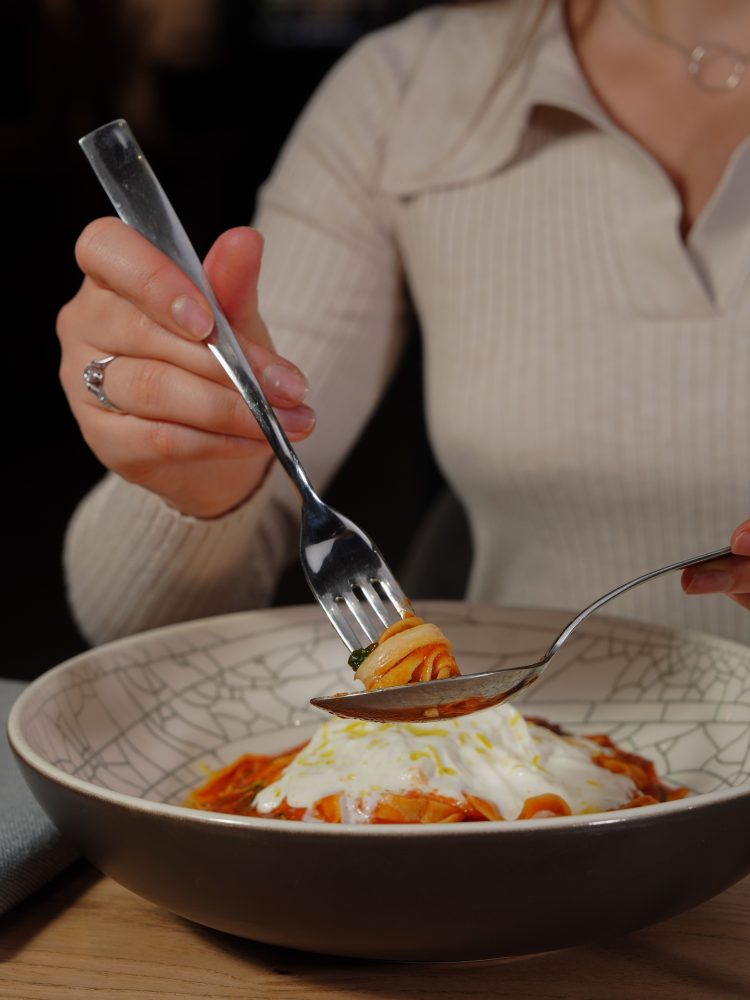
Sometimes a dish has plenty of seasoning but still tastes dull. The missing ingredient may be acidity. Lemon juice, vinegar, tomatoes, and other acidic ingredients can brighten flavors and balance rich or fatty foods. Restaurants often use these ingredients in dressings, sauces, marinades, and finishing touches to keep dishes from tasting heavy.
This is one of the easiest techniques to try at home because it usually requires only a small adjustment. If a soup tastes flat, a little lemon juice may help. If a creamy sauce feels too rich, a touch of vinegar or lemon can bring it into balance. Add acidic ingredients gradually and taste as you go, since too much can overwhelm a dish. The goal is not to make food taste sour but to bring its other flavors into sharper focus.
Restaurant Meals Are Often Served at Exactly the Right Time
Food can taste different depending on when and how it is served. Restaurants try to coordinate cooking so hot dishes arrive hot, crisp foods retain their texture, and sauces are added before serving. A steak left sitting too long can lose heat, while fries covered with steam can become soft. Even a well-prepared dish may be less appealing after it has cooled or spent too much time waiting.
At home, coordinating an entire meal can be difficult, especially when several dishes need different cooking times. Try to prepare components that hold well first, then cook quick items closer to serving time. Let meat rest when appropriate, but avoid leaving it sitting for so long that it becomes cold. Serve crispy foods promptly and keep sauces separate when they could make something soggy. Good timing can make a meal feel more polished without changing the recipe at all.
Presentation Changes How Food Tastes to You
Restaurant meals are designed to appeal to more than hunger. Colorful ingredients, deliberate plating, appealing aromas, and attractive textures can shape expectations before the first bite. Research on food perception suggests that visual presentation can influence how people judge flavor, freshness, and overall enjoyment. When a dish looks carefully prepared, diners may approach it with higher expectations.
You can use the same principle at home without buying special plates or spending extra time decorating dinner. Wipe sauce from the rim of the plate, add fresh herbs when they suit the dish, and include contrasting colors or textures. Serve food in portions that look inviting rather than piling everything into one crowded bowl. Presentation will not rescue poorly cooked food, but it can make a good meal feel more appealing and enjoyable.
The Secret Is Better Technique, Not Always More Ingredients
Restaurant food can taste better because professional cooks pay attention to details that are easy to overlook at home. Proper browning, thoughtful seasoning, balanced acidity, and careful timing can transform familiar ingredients without requiring an expensive shopping trip. Commercial equipment and kitchen experience also help, but many of the same principles work on an ordinary stovetop.
The next time a homemade meal tastes disappointing, resist the urge to assume you need a new recipe or a costly ingredient. Consider whether the pan was hot enough, the food was properly seasoned, or the dish needed a little acidity at the end. Small adjustments can make a noticeable difference over time. The goal is not to recreate every restaurant dish exactly, but to understand the techniques that make food satisfying and use them to get more flavor from the meals you already cook.
What To Read Next
9 Restaurant Extras You May Be Paying For Without Realizing You Can Ask for Them Free
How to Choose a Restaurant for a Low-Stress Evening Out
Restaurant Kids’ Meals vs. Fast Food: Which Is Actually Cheaper?
What Happens to Restaurant Food That’s Made but Never Picked Up?
Waffle House Is Still One of America’s Cheapest Restaurant Chains — Here’s What $20 Buys