
You’ve seen it: the abandoned grocery cart drifting across the parking lot, slamming into a car or blocking a space. And then there’s the person who walks it all the way back to the corral, rain or shine, no thanks expected. In a time when social behavior is under more scrutiny than ever, a debate has emerged: Should we reward the people who go the extra step in everyday situations like this? Is grocery cart return etiquette just about decency, or should it come with perks? Let’s break down why this surprisingly divisive issue might deserve a fresh look.
1. Returning Carts Is a Social Responsibility
Returning a grocery cart seems small, but it reflects how much we respect shared spaces. When people leave carts all over the lot, it creates hazards, wastes employee time, and contributes to community chaos. The act of returning it signals a willingness to be considerate, even when no one is watching. It’s one of those small actions that shows whether someone values the greater good. In this way, grocery cart return etiquette becomes a litmus test for personal responsibility.
2. Incentives Could Encourage Better Behavior

Some argue that if we offered incentives, like store discounts or loyalty points, for returning carts, more people would follow through. After all, many people are motivated by perks, especially when they’re struggling with time or distractions. Grocery stores could integrate cart return kiosks that scan a receipt barcode and apply a coupon upon return. This wouldn’t just reward good behavior—it might normalize it across more shoppers. While it sounds odd to reward what should be standard, incentives work in recycling, surveys, and even voting drives—why not here?
3. It’s About More Than the Cart
This conversation isn’t just about metal frames on wheels. It touches a broader issue: how society balances expectations versus rewards. Should we always do the right thing without expecting anything in return? Or is it fair to encourage ethical behavior with a little nudge? For some, rewarding cart returns feels like lowering the bar—“Why should we need to bribe people to be decent?” But others see it as an opportunity to shape better habits through positive reinforcement, not guilt trips.
4. Stores Already Pay the Price for Laziness
Many grocery stores employ staff solely to retrieve carts scattered across parking lots. That time and money could be redirected into better wages, cleaner stores, or lower prices if customers returned their carts themselves. While some retailers use locking systems requiring a coin or token to check out a cart, these haven’t been widely adopted in the U.S. Encouraging better grocery cart return etiquette, through rewards or policies, could help businesses cut down on unnecessary operational costs. In this light, rewarding customers might actually be cheaper in the long run.
5. The Psychology of the “Cart Narc” Trend
Social media accounts like the “Cart Narcs” have gone viral for calling out people who don’t return their carts. While some find it funny, others view it as public shaming. What this trend reveals is that people do care about this issue, and it sparks debate about personal accountability. By offering rewards rather than ridicule, stores could shift the tone toward encouragement instead of conflict. Instead of going viral for bad behavior, people might go viral for being kind.
6. Good Behavior Spreads (When It’s Seen)
Humans are social creatures, and we mimic what we see. When people witness others returning their carts—and getting rewarded for it—it subtly influences them to do the same. This is the principle behind public health campaigns and even tipping culture. A small reward system at the cart corral could set off a chain reaction of better behavior. Sometimes, doing the right thing needs a little spotlight.
7. Not Everyone Has the Same Circumstances
Before judging someone for not returning a cart, consider that not every shopper has equal ability. Parents with small children, elderly shoppers, and people with disabilities might find it difficult to make the trip back to the corral. A reward system or even assistance-based options could accommodate these groups more thoughtfully. Grocery cart return etiquette shouldn’t just be a rigid rule—it should reflect empathy and context.
8. Rewards Could Reinforce Community Values
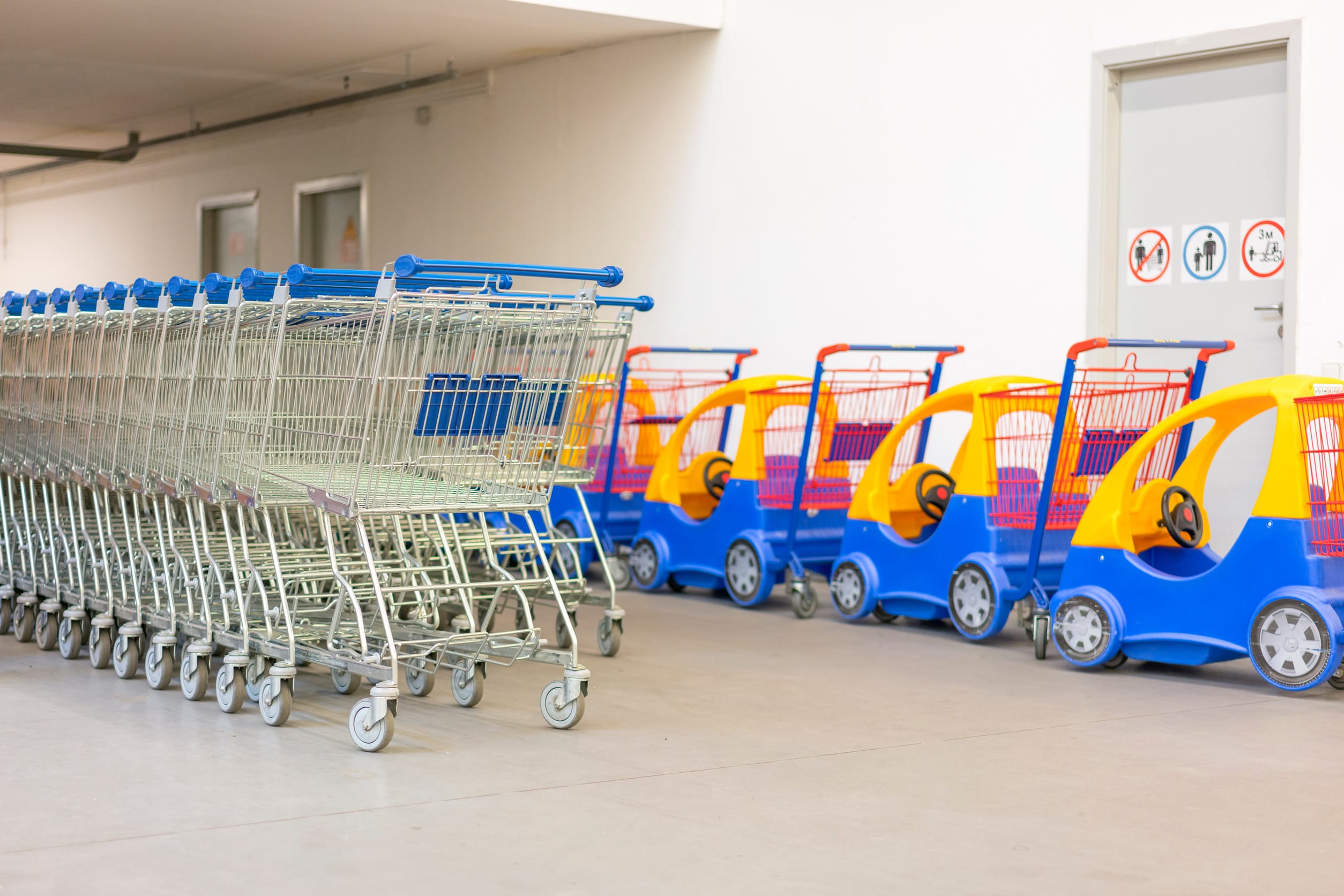
If stores choose to implement a small token system—say, donating to a local charity every time a cart is returned—it could turn a mundane task into a community builder. People would feel that their small action contributes to something larger. This transforms an ordinary act into a shared value. Communities thrive on micro-moments like these, where accountability and goodwill meet in everyday life. It’s not just about convenience—it’s about creating a culture of care.
The Cart Is Just the Beginning
The grocery cart isn’t just a tool for shopping—it’s a symbol of how we treat the spaces we all share. Whether or not we reward people for returning them, the conversation reveals how complex modern courtesy can be. As we think more critically about what behaviors we praise, ignore, or shame, the cart becomes more than a parking lot issue. It becomes a window into what we expect from each other—and what kind of world we’re choosing to build.
Do you think people should be rewarded for returning their grocery carts, or should it simply be expected? Drop your opinion in the comments below!
Read More
8 Couponing Etiquette Rules Every Savvy Shopper Should Follow