
Chicago boasts a legendary steakhouse scene, with iconic establishments steeped in history and culinary tradition. The city is renowned for its high-quality beef, expert preparation, and classic ambiance. However, not every restaurant calling itself a steakhouse delivers a truly exceptional experience. Sometimes, despite high prices or a fancy setting, the meal falls short. What separates the truly great from the potentially disappointing? Recognizing certain warning signs or common pitfalls can help diners choose wisely and manage expectations. Here are six potential indicators that a steakhouse experience, in Chicago or elsewhere, might not live up to the hype or price tag.
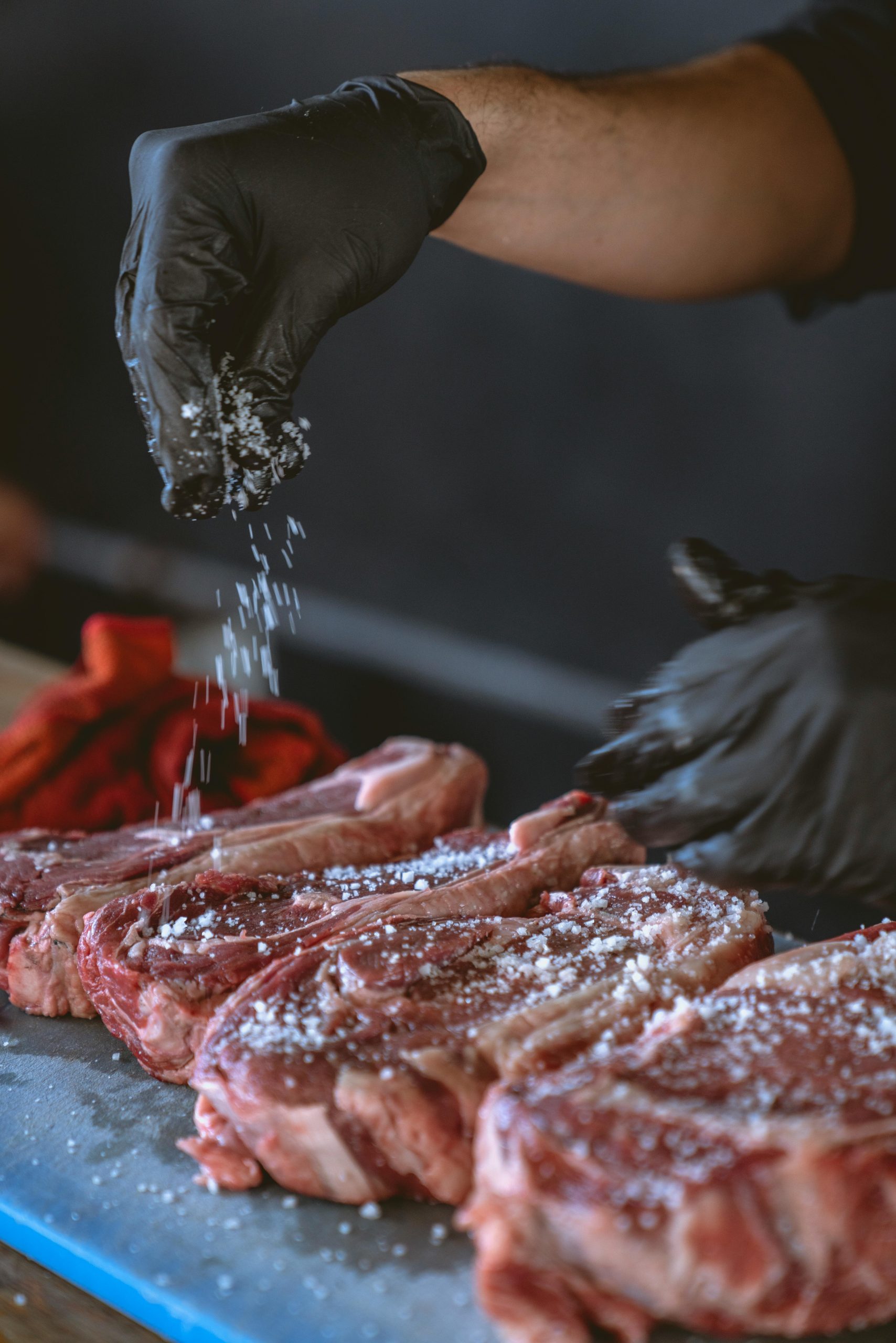
1. Over-Reliance on Tenderizers or Heavy Marinades
Top-quality steakhouses pride themselves on the inherent flavor and tenderness of their beef, often using prime grades and dry-aging techniques. A warning sign can be a menu heavily featuring steaks described with intense marinades or mentioning tenderizing processes explicitly. While marinades add flavor, excessive use, especially on better cuts, can sometimes mask lower-quality or less naturally tender meat. A great steak ideally needs little more than salt, pepper, and proper cooking to shine. Over-manipulation might suggest compensation for subpar beef.
2. Serving Lower Grades of Beef (Select vs. Choice/Prime)
The USDA grades beef based primarily on marbling (intramuscular fat), which contributes to flavor, tenderness, and juiciness. Prime is the highest grade, followed by Choice, then Select. True high-end steakhouses typically feature USDA Prime or, at minimum, high-quality Upper Choice cuts. Restaurants using lower grades like Select (which is leaner and less flavorful) but still charging premium steakhouse prices are offering poorer value. While grade isn’t always listed, suspiciously low prices for large “steak specials” or vague menu descriptions might indicate the use of less desirable beef grades.
3. Inconsistent Cooking Temperatures or Poor Searing
Achieving the correct internal temperature (rare, medium-rare, medium, etc.) requested by the diner is fundamental to steakhouse execution. Equally important is creating a proper sear – a deep brown crust on the exterior developed through high heat (often via broiling or pan-searing). Inconsistent temperatures (an overcooked medium-rare) or a steak arriving gray and unseared indicate poor kitchen technique or lack of attention. A disappointing steak often suffers from improper cooking, failing to deliver both the desired doneness and the flavorful crust essential to the experience.
4. Signs of Pre-Cooking and Reheating (Lack of Freshness)
In very high-volume settings or less reputable establishments, steaks might be partially cooked ahead of time (par-cooked) and then quickly finished on the grill or broiler to speed up service during peak hours. While efficient for the kitchen, this often results in a less juicy, less flavorful steak lacking the vibrancy of one cooked entirely to order. Signs might include a uniformly gray band beneath the surface crust or a texture that feels slightly dry or reheated. Great steakhouses cook steaks fresh to order for optimal quality.
5. Limp, Uninspired, or Overpriced Side Dishes
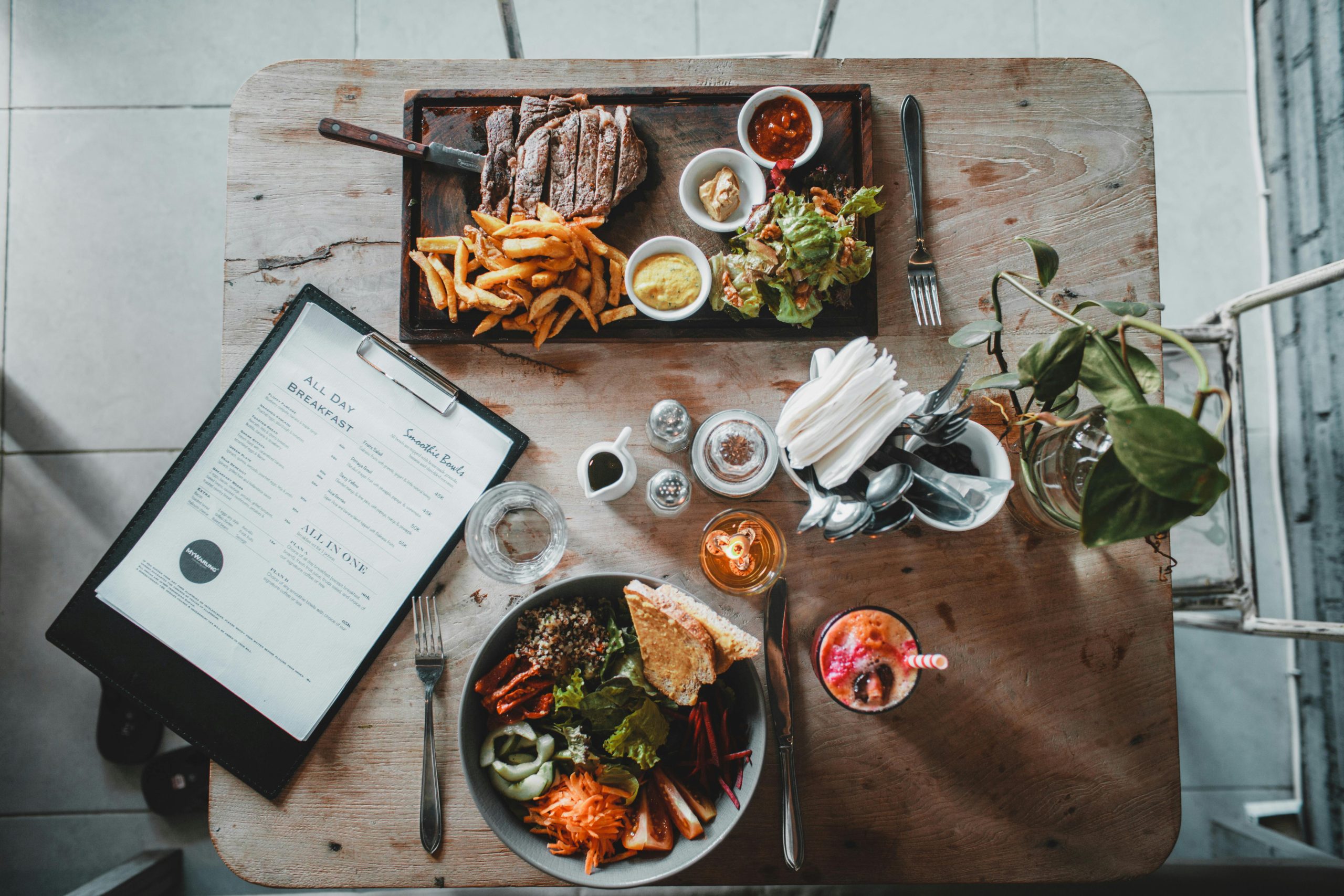
A steakhouse meal involves more than just the steak. Classic sides like creamed spinach, baked potatoes, asparagus, or hash browns should complement the main course. Disappointment arises when sides are frozen, poorly prepared (soggy asparagus, bland creamed spinach), under-seasoned, or disproportionately overpriced for basic items. A great steakhouse puts care into its side dishes, ensuring they are fresh, well-executed, and reasonably priced relative to their quality and portion size. Lackluster sides detract significantly from the overall meal.
6. Menu Prices That Don’t Align with Quality or Ambiance
Steakhouse dining is often expensive, but the price should reflect the quality of the beef, the skill of preparation, the level of service, and the overall ambiance. A truly disappointing experience occurs when the final bill feels exorbitant relative to what was delivered. Paying top dollar for a mediocre cut of meat, poorly cooked steak, lackluster sides, or inattentive service leaves diners feeling ripped off. Value perception matters; the best steakhouses justify their prices through exceptional quality and experience, while disappointing ones fail to deliver on their price point’s implicit promise.
Seeking Steakhouse Excellence Requires Discernment
Chicago offers many genuinely outstanding steakhouses delivering prime, perfectly cooked beef and classic experiences. However, like any culinary scene, quality varies. Being aware of potential warning signs – such as reliance on marinades, lower beef grades, inconsistent cooking, signs of reheating, poor side dishes, or prices unjustified by quality – helps diners make more informed choices. Look for places emphasizing quality sourcing (Prime, dry-aged), demonstrating skilled cooking, offering fresh sides, and providing value commensurate with their price point. True steakhouse excellence involves quality across the entire experience, from the beef to the service.
What defines a truly great steakhouse experience for you? What are the biggest red flags that might make you question a steakhouse’s quality before or during a meal? Share your thoughts!
Read More