
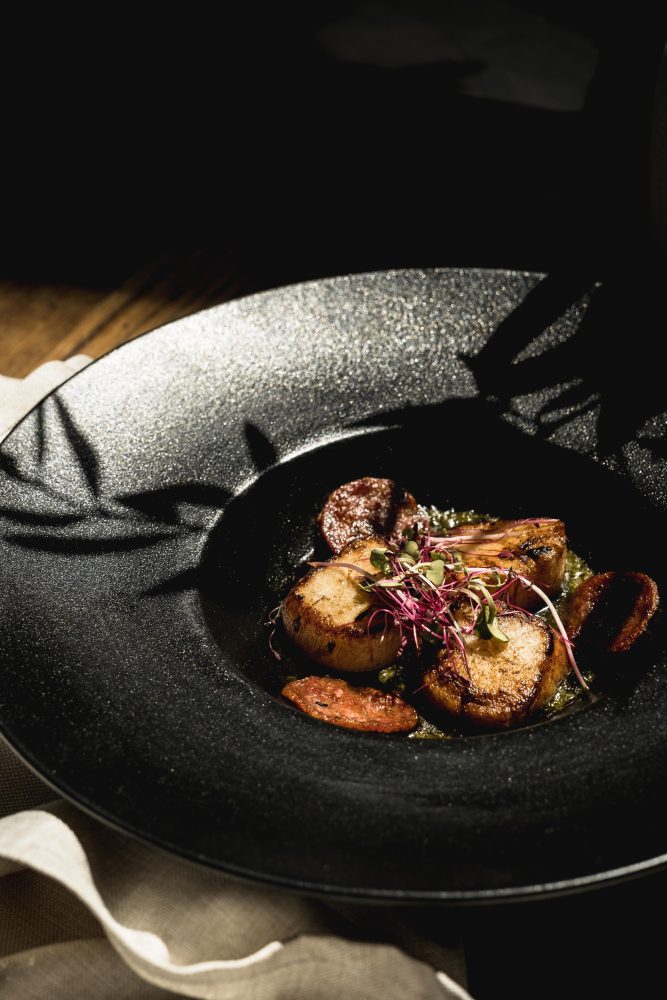
The same meal can look surprisingly different depending on what it is served on. A slice of cheesecake on a white plate may appear classic and inviting, while the same dessert on a black plate can look more dramatic and upscale. But plate color may do more than change a dish’s appearance. Research suggests that the colors surrounding food can influence how people perceive sweetness, flavor intensity, attractiveness, and even their willingness to eat. Scientists are still studying exactly when these effects occur, and the results are not consistent across every food or color. Still, the findings reveal an interesting part of eating that most people rarely consider: your eyes begin shaping the experience before the first bite.
Why Your Brain Pays Attention to Plate Color
Taste is not determined by your tongue alone. The brain combines information from taste, smell, texture, temperature, and sight to create the experience you recognize as flavor. Before food reaches your mouth, its appearance helps you form expectations about what it will taste like. A golden-brown crust might suggest something crisp, while a brightly colored dessert may look sweeter or fruitier than a pale one.
The plate becomes part of that visual information because it provides a background against which the food is judged. Food scientists describe these interactions as multisensory perception, in which one sense can influence how another is experienced. Expectations also play a role: when a dish looks appealing or matches what you anticipate, you may rate it more favorably. This does not mean the plate changes the food’s chemical composition. Instead, it can influence how your brain interprets the sensory information you receive.
White Plates Can Make Certain Foods Seem Sweeter
White plates are popular in restaurants for practical reasons, but experiments suggest they can also influence how some foods are perceived. In a 2012 study published in Food Quality and Preference, researchers served identical strawberry mousse on black and white plates. Participants rated the mousse served on white plates as sweeter, more flavorful, and more enjoyable. The researchers suggested that the contrast between the dessert and its background may have contributed to the difference.
That does not mean white plates automatically make every food taste better. The study focused on a particular dessert, and other experiments have found that plate color effects depend on the food and the conditions in which it is served. White plates can make colorful ingredients stand out, giving a dish a clean, familiar appearance. For foods such as fruit, pastries, and creamy desserts, that presentation may reinforce expectations of freshness or sweetness, but the effect is not guaranteed.
Black Plates Can Make Food Look More Upscale
Black plates often create a dramatic presentation, especially when serving brightly colored desserts, vegetables, or carefully arranged entrées. The dark background can make lighter ingredients stand out and give a meal a modern, restaurant-style appearance. Research involving dessert presentation has found that black plates can influence judgments of attractiveness and perceived monetary value. In some experiments, participants viewed desserts on black plates as more expensive or aesthetically appealing than the same desserts on white plates.
However, an expensive-looking meal is not necessarily a better-tasting one. A black plate may create a sense of sophistication, but it can also reduce contrast when the food itself is dark. Chocolate cake, seared meat, and other brown foods may blend into the background rather than stand out. The best result depends on the color of the ingredients, the lighting, and the overall presentation. Black plates can be effective for visual contrast, but there is no universal rule that they make food taste better.
Red Plates May Change Expectations About Flavor and Appetite
Red is a visually prominent color, and researchers have explored whether it affects how people experience food. Some experiments suggest that red plates can change expectations about spiciness or influence how much people consume under certain conditions. For example, a study published in the Journal of Sensory Studies in 2016 found that spicy bean curd served on a red plate was perceived as spicier than the same food served on a white or green plate. The researchers found that expectations about the food’s spiciness helped explain the difference.
Other research has reported different responses to red tableware, illustrating why broad claims about appetite can be misleading. A red plate does not automatically suppress hunger or make food less appealing. The outcome can depend on the food, the setting, cultural associations, and the way the experiment is designed. Red may suggest heat, ripe fruit, or strong flavors to some people, but those associations are not universal. The evidence supports the idea that color can influence expectations, not that one plate color reliably controls how much everyone eats.
Blue Plates Can Feel Unusual, but Context Matters
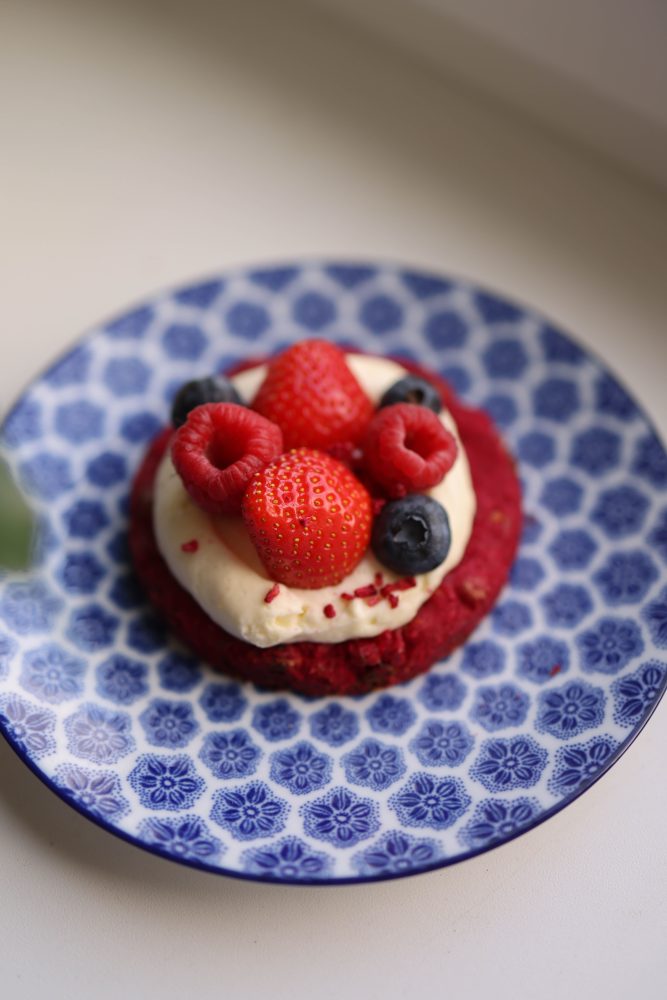
Blue is sometimes described as an appetite-suppressing color because relatively few naturally occurring foods are distinctly blue. That idea has become popular in discussions of food psychology, but the scientific picture is more complicated. A color that looks unusual beside a meal may change a person’s expectations, yet that does not establish that blue plates consistently reduce hunger or food intake. The effect can vary depending on the food, the shade of blue, and the person’s own preferences.
Research on colored tableware has produced mixed results, which is why it is better to avoid treating blue as a guaranteed appetite suppressant. A blue plate could make orange fruit or a colorful salad stand out through contrast, while a blue dessert might look unusual to someone who expects a familiar flavor. In other situations, blue tableware may be attractive or perfectly ordinary. The important factor is often how the color interacts with the food and the associations the person brings to the meal.
Contrast May Matter More Than the Color Itself
One reason plate color can influence food perception is contrast. When food stands out clearly against its background, its shape, color, and arrangement may be easier to notice. A bright strawberry dessert on a dark plate looks different from the same dessert on a pale surface, even though the recipe has not changed. That visual difference can affect how appealing the food seems before tasting begins.
Contrast is not the only explanation, however. Familiarity, cultural associations, expectations, and the overall presentation may all contribute. A white plate can make a colorful dish appear fresh, while a dark plate can create a more dramatic impression. A brightly colored plate might complement one meal and distract from another. This is why chefs often consider the colors of the ingredients when selecting tableware instead of choosing plates based on a simple list of supposedly good or bad colors.
Are There Good and Bad Plate Colors for Food?
There is no single best plate color for every meal, but some combinations are more visually effective than others. White plates are versatile and provide a neutral background for many dishes. Black plates can highlight pale foods and colorful garnishes, while earthy or muted tones may complement rustic dishes and roasted vegetables. The goal is usually to make the food look appealing without allowing the plate to overwhelm it.
A less successful combination is one that makes the food difficult to distinguish from its background or clashes with the dish’s expected appearance. Dark food on a dark plate may lose definition, while a very bright plate can compete with delicate ingredients for attention. Even then, personal taste matters, and a visually unusual presentation is not automatically a failure. Plate color is best understood as one tool for shaping the appearance and experience of a meal, rather than a rulebook for how food should be served.
Your Plate Influences the Experience, Not the Recipe
Food science suggests that plate color can affect how people judge flavor, sweetness, attractiveness, and value, but the results depend on the dish and the setting. Visual cues help the brain build expectations, and those expectations can influence the experience of eating. Still, the effects are generally subtle and variable rather than a reliable way to transform an ordinary meal into something extraordinary.
The next time you serve dinner, try paying attention to how the food looks against the plate. A different background might make the ingredients stand out or give the dish a more appealing presentation, even though nothing about the recipe has changed. You do not need special tableware to enjoy a meal, but understanding the psychology behind presentation shows why the experience of eating begins before the first bite.
What To Read Next
Is Anything Safe to Eat? Navigating Modern Recalls and Protecting Your Plate
The Green Plate Debate: Navigating the Organic vs. Conventional Foods Landscape
Why Some Foods Taste Better When You Eat Them With a Plastic Fork
The Food Isn’t Any Healthier — But This Plating Trick May Make You Think It Is
Your Server Told You Their Name for a Reason — Try Remembering It