
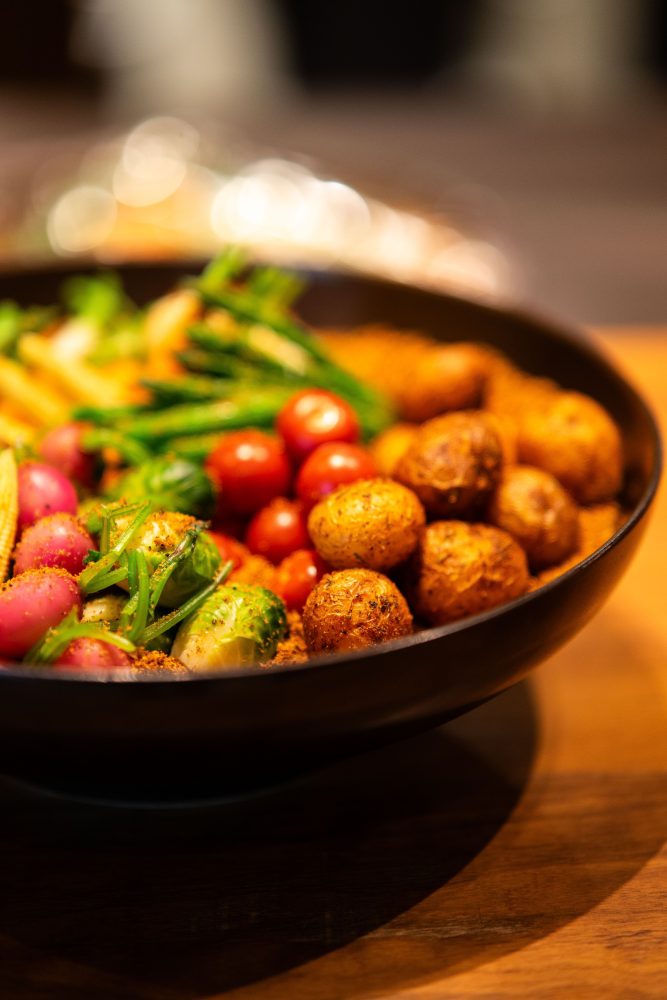
Ordering an affordable restaurant meal can feel like a small win, especially when grocery prices and everyday expenses are already putting pressure on your budget. But the price on the menu is not always what you end up paying. Extra toppings, premium sides, specialty drinks, and other add-ons can push the total much higher than expected. Some upgrades seem inexpensive individually, yet several small choices can add up to the cost of another meal. Knowing which extras deserve a closer look can help you enjoy eating out without letting the final bill get out of hand.
1. Premium Sides Instead of the Included Option
A burger or sandwich may come with fries, chips, or another basic side, but the menu often offers upgrades for an additional charge. Loaded fries, onion rings, macaroni and cheese, side salads, and specialty vegetables can all cost more than the standard option. An extra dollar or two might not seem significant when ordering, but upgrading multiple meals at the table can add several dollars to the bill before drinks or dessert arrive.
Before choosing an upgraded side, consider whether it adds enough value to justify the price. If you mainly want something to accompany your entrée, the included option may be perfectly fine. You can also check whether the restaurant allows substitutions without an additional charge, since policies vary by location and menu item. When the upgrade costs nearly as much as a separate appetizer, it may be worth skipping or sharing instead.
2. Extra Protein and Double Portions
Adding another chicken breast, extra burger patty, shrimp, or steak can make a meal more filling, but protein upgrades are often among the pricier menu extras. A double burger may sound like a better value than ordering a second sandwich, yet the additional patty can still raise the price considerably. Restaurants may also charge for adding meat to salads, pasta, bowls, and other dishes that already contain a protein serving.
Think about how hungry you actually are before paying for more food. If the regular entrée comes with a substantial portion and a side, the extra protein may not be necessary. On the other hand, an upgrade can make sense if the original serving is genuinely too small or if the added ingredient replaces another purchase. Compare the added charge with the cost of ordering a separate item, and remember that a bigger portion is only a bargain if you will eat it.
3. Specialty Drinks and Refills That Cost Extra
A fountain soda may seem like a minor expense, but specialty lemonades, flavored iced teas, milkshakes, mocktails, and handcrafted beverages can cost several times as much as water. These drinks are often presented prominently on menus, making them tempting additions to a meal. When several people order one, the beverages can become a meaningful part of the total bill, sometimes rivaling the cost of an appetizer.
Refills can complicate the comparison because not every drink includes them. Some restaurants offer unlimited refills on selected fountain beverages, while others charge for each serving or limit refills to certain drinks. Check the menu or ask your server before assuming a second drink is included. If you’re mainly thirsty, water is often the simplest way to avoid an extra charge, while ordering one specialty beverage to share or enjoy as a treat can keep the cost more manageable.
4. Guacamole, Avocado, and Premium Toppings
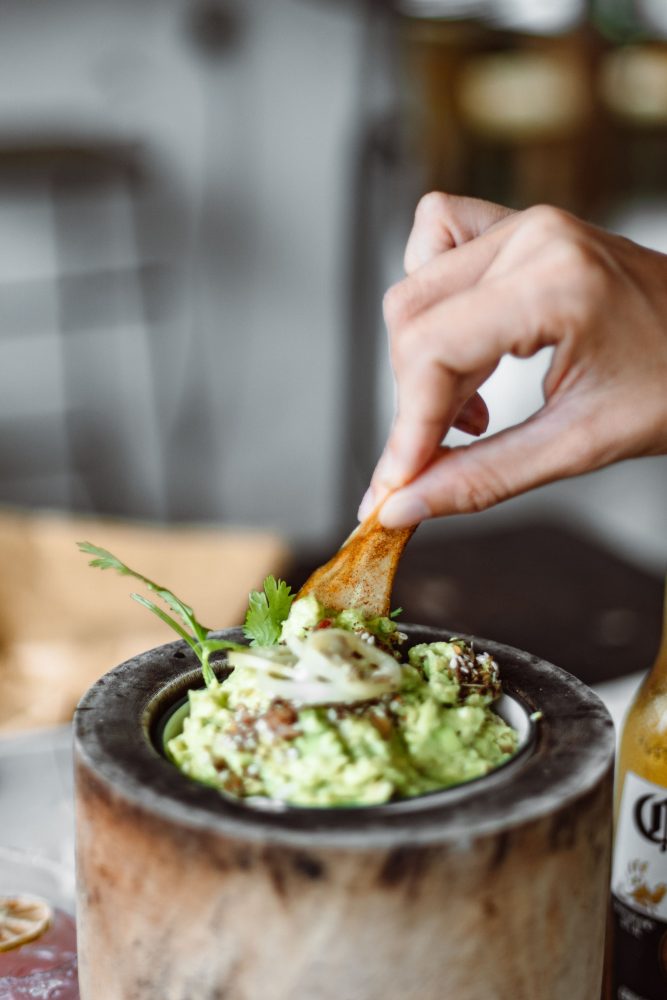
Restaurants frequently charge extra for ingredients that make a dish feel more customized, including avocado, guacamole, bacon, specialty cheese, and extra sauces. These additions can improve the flavor of a burger, burrito, salad, or sandwich, but the charges may be listed separately from the main menu price. Adding two or three toppings can quickly turn a basic entrée into a much more expensive order.
The trick is to decide which additions you genuinely want rather than selecting every available upgrade. If guacamole is the reason you’re ordering a particular dish, paying extra may be worthwhile. But if you’re adding it simply because the option appears on the screen or menu, pause and consider whether it improves the meal enough to justify the cost. Check whether a topping is already included before paying for more, and look for combination meals that may include the ingredients you want at a lower overall price.
5. Appetizers That Become a Second Meal
Sharing an appetizer can be a fun way to start dinner, but it can also add a substantial amount to a bill before the main course arrives. Restaurants often offer items such as nachos, mozzarella sticks, wings, loaded potato skins, and dips that cost enough to make a noticeable difference. Ordering two appetizers because they sound appealing can leave a table spending far more than planned, especially when everyone also orders a full entrée.
One way to control the expense is to decide on an appetizer budget before arriving. If everyone wants to try something, choose one shareable option rather than ordering several separate starters. You can also compare the appetizer price with the cost of a side or smaller entrée, since some restaurants offer similar ingredients in different portions. If the main meal is already large, skipping the starter may be the easiest way to save without sacrificing much enjoyment.
6. Dessert and Coffee After the Meal
Dessert and after-dinner coffee can make a restaurant visit feel special, but ordering both can add another round of charges after the entrée and drinks. Cakes, cheesecakes, specialty sundaes, and seasonal desserts may cost several dollars per serving, while espresso drinks and flavored coffees can increase the total further. For a group, even a simple decision to order dessert for everyone can turn a moderately priced dinner into a much more expensive outing.
You do not have to skip dessert every time to keep spending under control. Consider sharing one dessert, choosing coffee instead of ordering both, or checking whether the restaurant offers a fixed-price meal that includes dessert. If you’re celebrating a birthday or another occasion, ask about any current offers rather than assuming a complimentary treat is available. The important thing is to decide whether dessert is part of the plan instead of adding it automatically at the end.
7. Delivery and Convenience Add-Ons
Ordering restaurant food through a delivery app can introduce costs that are less obvious than menu upgrades. Service fees, delivery charges, small-order fees, and tips may appear in separate parts of the checkout process. Menu prices on third-party apps can also differ from the prices charged directly by a restaurant, depending on the business and platform. When you combine these costs with premium toppings or upgraded sides, a meal that looked affordable at first can become surprisingly expensive.
Before placing an order, compare the final checkout total with the restaurant’s own ordering website or app. If pickup is practical, check whether it removes the delivery charge or reduces other costs. Look for promotions that apply to the specific order, but read the conditions carefully because minimum spending requirements can encourage you to buy more than you need. A discount is only useful when the final total is lower than the alternatives, not simply because the app displays a promotional label.
The Best Way to Keep Restaurant Extras From Taking Over Your Budget
Restaurant add-ons are not automatically bad value. A favorite topping, an upgraded side, or a special drink can make a meal more enjoyable, and paying for something you genuinely want is part of dining out. The problem starts when several extras slip into an order without much thought, leaving the final total far above the price that first caught your attention.
Before ordering, look at the full cost of the meal, including drinks, sides, add-ons, and any delivery charges. Choose the upgrades that matter most to you and skip the ones that are simply convenient or tempting in the moment. When you know where the extra charges tend to appear, you can enjoy your restaurant favorites while keeping more control over what you spend.
What To Read Next
9 Restaurant Extras You May Be Paying For Without Realizing You Can Ask for Them Free
Takeout for 4 Under $40: 8 Restaurant Chains Where It’s Still Possible
How to Choose a Restaurant for a Low-Stress Evening Out
Restaurant Kids’ Meals vs. Fast Food: Which Is Actually Cheaper?
Restaurant Kids’ Meals vs. Fast Food: Which Is Actually Cheaper?