

Buying a thick ribeye, a beef tenderloin, or a special-occasion roast can take a noticeable bite out of the grocery budget. Freezing it seems like a simple way to protect that investment until you’re ready to cook. But there is one common mistake that can leave even premium meat dry, tough, and disappointing: leaving it in packaging that allows too much air to reach the surface. The problem often develops gradually, so shoppers may not realize anything is wrong until they thaw the meat for dinner. A few simple changes to how you wrap, freeze, and label expensive cuts can help preserve their quality.
The Biggest Mistake Is Leaving Meat in Its Store Packaging
The plastic wrap and foam tray used for many grocery-store cuts of meat are designed primarily for retail display, not extended freezer storage. Although it is safe to freeze meat in its original packaging, the wrapping may allow air and moisture to pass through over time. That exposure can contribute to freezer burn, which leaves parts of the meat dry and unpleasant to eat. The risk becomes more important when you plan to keep a costly cut frozen for several months rather than cooking it soon after purchase.
The better approach is to add a protective layer before storing meat for an extended period. Wrap the cut tightly in freezer paper or heavy-duty foil, or place it in a freezer-safe bag with as much air removed as possible. A vacuum sealer can provide another option by removing much of the air around the meat. If the original package is vacuum-sealed and remains intact, it can generally go straight into the freezer. The goal is to limit air exposure and moisture loss, not to repackage every piece of meat unnecessarily.
Freezer Burn Can Ruin the Eating Experience
Freezer burn occurs when moisture escapes from the surface of frozen food, and the exposed area becomes dehydrated. On meat, it can appear as grayish-brown patches that look dry, leathery, or discolored. After cooking, those areas may taste bland or stale and have a tougher texture than the rest of the cut. A steak that once looked worth a special dinner can lose some of the qualities that made it appealing in the first place.
There is an important distinction between quality and safety, however. According to the U.S. Department of Agriculture, freezer burn does not automatically make meat unsafe to eat if it has remained properly frozen. It primarily affects quality, and heavily damaged areas can be trimmed away before or after cooking. That does not mean the damage is harmless to your grocery budget. When you’re paying more for a premium cut, losing moisture and flavor can make the purchase feel like a waste even if the meat is still safe.
Temperature Swings Can Make the Problem Worse
A freezer should be kept at 0 degrees Fahrenheit or below to maintain frozen food quality. If the temperature fluctuates, ice can partially melt and refreeze, and the food may lose moisture over time. Repeatedly opening the freezer, placing warm items inside, or storing packages where they are exposed to changing temperatures can complicate freezing and storage. A freezer thermometer can help you confirm that the appliance is staying cold enough instead of relying entirely on its dial setting.
How you load the freezer also matters when freezing fresh meat. Packages that need to freeze should be spread out in a single layer when possible, rather than stacked tightly together while still soft. This helps them freeze more quickly, which can support better texture after thawing. Once the meat is frozen solid, you can stack the packages to save space. Keeping the freezer organized also makes it easier to find older cuts before they get forgotten behind newer purchases.
Expensive Meat Should Not Get Lost in the Freezer
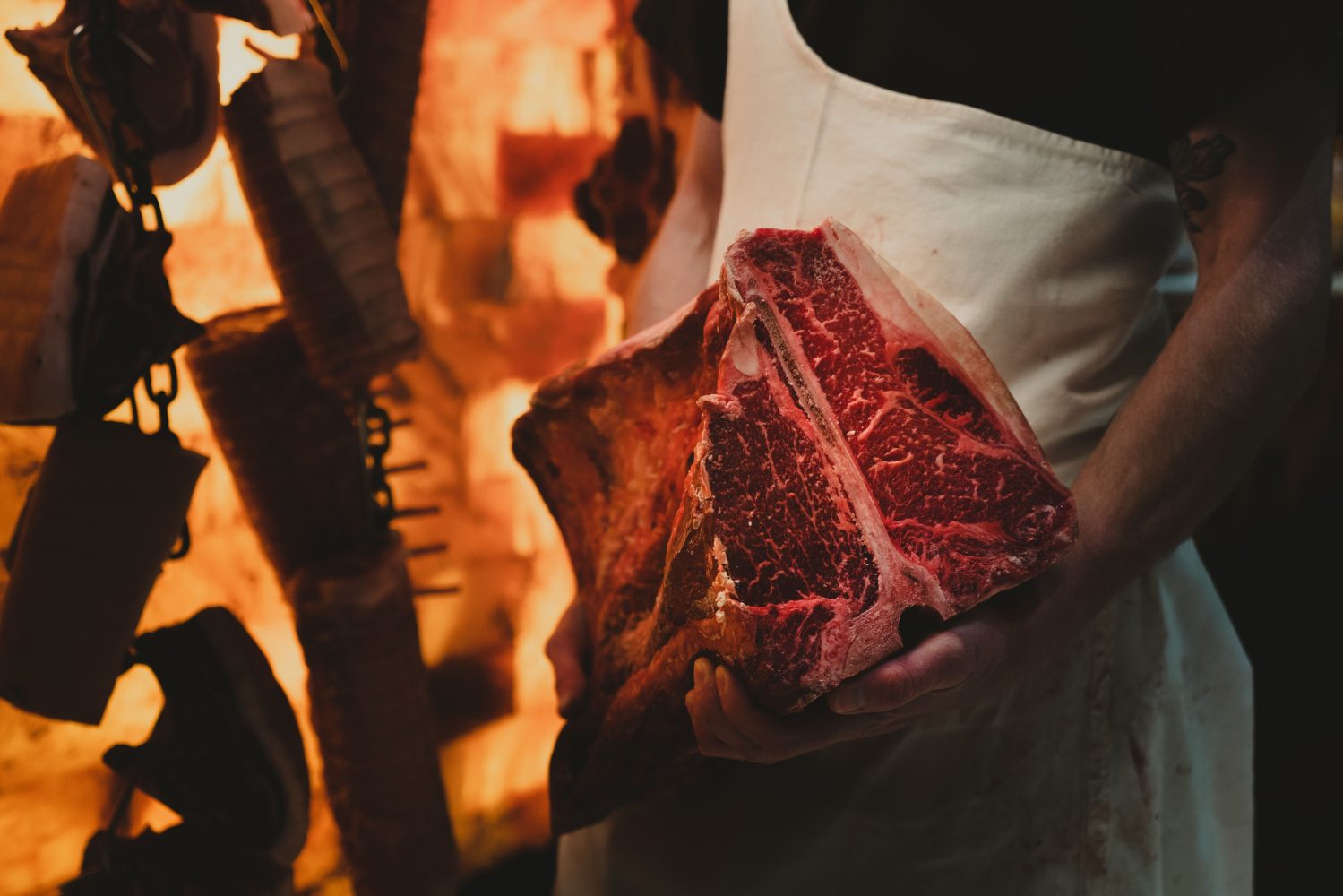
Even well-wrapped meat can lose quality during long storage, so leaving premium cuts buried for months is not ideal. Freezing at 0 degrees Fahrenheit or below keeps food safe indefinitely when it remains continuously frozen, but its flavor and texture can deteriorate over time. Recommended freezer-storage periods are generally about quality, not a sudden point when meat becomes unsafe. The best storage window depends on the type of meat, its packaging, and the conditions in your freezer.
Labeling each package with the cut and freezing date helps prevent costly guesswork later. If you buy several steaks during a sale, place the older packages where you can see them and use those first. You can also freeze individual portions rather than one large bundle, making it easier to thaw only what you need for a meal. That simple system reduces the chance of repeatedly moving packages around while trying to remember which one you bought first.
Thawing the Meat Incorrectly Can Undo Good Storage
Protecting meat in the freezer is only part of the process; thawing it safely matters, too. The refrigerator is the safest option because it keeps meat at a controlled temperature while it defrosts. Larger roasts may need considerably more time than individual steaks, so move them from the freezer before the day you plan to cook them. Place the meat in a container or on a tray to catch any juices and keep them from contaminating other foods.
Never thaw meat on the counter or use hot water to speed up the process. The outside can become warm enough for bacteria to multiply while the center remains frozen. If you need a faster method, meat can be thawed in a leakproof bag in cold water, changing the water every 30 minutes, or in the microwave if you cook it immediately afterward. Proper thawing helps protect food safety, although it cannot reverse freezer burn that has already damaged the meat’s texture.
A Few Extra Minutes Can Protect Your Grocery Investment
Before freezing a premium cut, check that the packaging is intact and decide whether it needs additional protection for longer storage. Remove excess air from freezer-safe bags, seal the wrapping securely, and keep portions separated so they are easy to use. If you’re freezing several cuts at once, label each one before putting it away. These steps take little time compared with the cost of replacing an expensive steak or roast that no longer delivers the meal you expected.
It is also worth thinking about how soon you will realistically cook the meat. If you plan to use it within a short period, its original packaging may be sufficient, depending on the type of wrap and condition of the package. For longer storage, stronger moisture-resistant packaging offers better protection. Buying a premium cut on sale only saves money if you store it well and use it while its quality is still good.
Protect the Meat Before It Goes Into the Freezer
The most expensive freezer mistake is often an easy one to overlook: assuming the package from the grocery store is designed to protect meat for months. For extended storage, adding airtight, freezer-appropriate wrapping can help prevent moisture loss and reduce the risk of freezer burn. Keeping the freezer at the right temperature and tracking what you store can further protect the quality of your purchase.
If you’re saving steaks or roasts for a holiday meal or a special occasion, take a moment to package them properly before putting them away. The freezer can be an excellent tool for stretching grocery dollars, but it cannot preserve top quality forever. Protecting the meat from air and using it in a reasonable time gives you a better chance of serving the tender, flavorful meal you paid for.
What To Read Next
Is Your Extra Freezer Worth the Electricity It Uses?
Why Does Ice Cream Sometimes Get Gritty After It’s Been in the Freezer?
Recalled Food Can Sit in Your Freezer for Months—9 Items to Check Before Your Next Meal