
Walking into a grocery store with $100 to spend can feel manageable until you reach the checkout. A few extra snacks, a tempting sale, and ingredients for a meal you had not planned can quickly push the total higher than expected. Even when every purchase seems small, those decisions can leave less money for the groceries you actually need. The problem is not always rising food prices. Sometimes, it is a shopping habit that makes it harder to stick to a budget.
One of the biggest budget traps is shopping without a clear plan for what you will cook and what you already have at home. Without that information, it is easy to buy duplicates, grab convenient extras, or choose products based on what looks appealing in the moment. A $100 grocery budget works best when each purchase has a purpose, rather than when shoppers try to make decisions one aisle at a time.
Shopping Without a Meal Plan
The easiest way to lose control of a grocery budget is to shop first and figure out meals later. You might buy chicken because it is on sale, pasta because it looks useful, and vegetables because they seem like healthy choices. But without deciding how those ingredients fit together, you could end up making another trip for missing items or ordering takeout when dinner feels too complicated. Those additional expenses can undermine the savings you expected from your original shopping trip.
A simple meal plan does not need to cover every breakfast, lunch, and dinner in detail. Start with a few meals that share ingredients, such as roasted chicken with vegetables one night and chicken wraps the next day. Plan around food you already own, then make a list of the missing ingredients. This approach gives each item a clear purpose and reduces the temptation to fill your cart with products that may never become a meal.
Treating Every Sale Like a Savings Opportunity
A bright sale sign can make a product seem like a bargain, even when it was never on your shopping list. Buying something for $3 instead of $5 saves money only if you would have purchased it anyway and can use it before it goes to waste. If you spend $12 on discounted snacks you did not need, your grocery total still increases by $12. A lower price does not automatically make an unplanned purchase a smart one.
Before adding a sale item to your cart, ask whether it replaces something you planned to buy, supports a meal you will actually prepare, or can be stored safely until you need it. Stocking up can make sense for frequently used pantry staples, especially when the discount is substantial. However, buying extra food simply because it is marked down can leave you with less money for milk, produce, meat, and other essentials. The goal is to spend less on the food you need, not to collect the largest number of bargains.
Adding Small Extras Throughout the Store
A single drink, bag of chips, bakery treat, or convenience snack may not seem expensive enough to affect a $100 budget. The problem is how quickly these purchases accumulate when they happen throughout the trip. Five unplanned items costing $3 each add $15 to the bill, leaving less room for ingredients that could cover several meals. Because the purchases happen separately, shoppers may not realize how much they have added until the register total appears.
This does not mean you have to eliminate every treat to stay within your budget. Instead, decide how much of the $100 can go toward extras before entering the store. If you want cookies or a favorite beverage, include it in your plan and adjust another discretionary purchase if necessary. Setting a set amount for nonessential items leaves room for enjoyment without letting spontaneous decisions take over the entire budget.
Buying Food You Already Have at Home
Shopping without checking your refrigerator, freezer, and pantry can lead to duplicate purchases that strain a limited budget. You might buy another bag of rice, a second bottle of salad dressing, or more frozen vegetables without realizing you already have enough. You may use these products eventually, but they tie up money that could go toward items you genuinely need this week. Perishable duplicates are especially costly when they spoil before you can finish them.
Take five minutes to check what you own before making your list. Look for ingredients that need to be used soon and build at least one meal around them. If you have pasta, canned tomatoes, and frozen vegetables, for example, you may only need one or two additional ingredients to make dinner. Keeping a basic pantry inventory on your phone can also help prevent repeat purchases, particularly for items tucked away in cabinets or the back of the freezer.
Choosing Convenience Without Checking the Cost
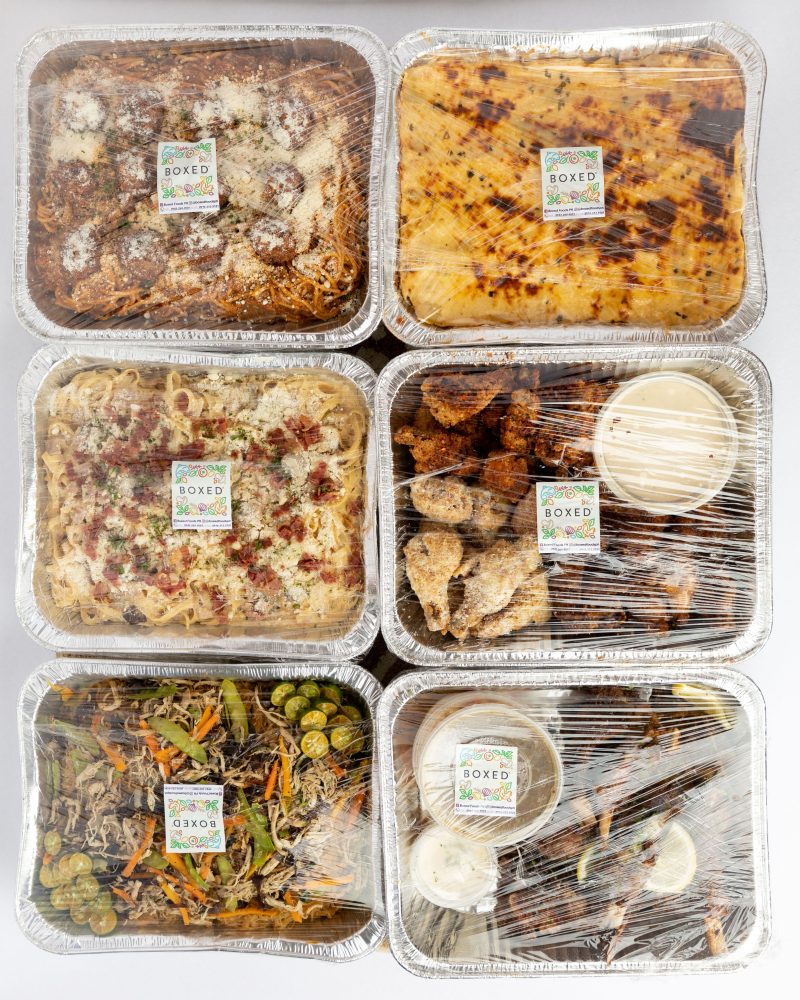
Pre-cut fruit, individually packaged snacks, prepared sides, and ready-to-heat meals can save time, but they may also consume a large share of a tight grocery budget. Their higher prices are not always a bad deal because convenience has value, especially for people with demanding schedules. However, buying several convenience products without considering their cost can leave you with fewer groceries than you expected for the same amount of money.
Compare the price and the amount of food you receive before choosing between prepared and basic ingredients. A whole block of cheese may cost less per ounce than individually wrapped portions, while a larger tub of yogurt may offer better value than several small cups. You do not need to prepare everything from scratch to save money. Choose convenience items strategically, prioritizing the ones that genuinely help you avoid food waste or make meals easier to manage.
Ignoring Unit Prices and Package Sizes
The cheapest-looking package is not always the best value. A smaller container may have a lower shelf price but cost considerably more per ounce than a larger version. Conversely, a bulk package can be a poor choice if you cannot use the contents before they spoil. Looking only at the price printed on the shelf can make it difficult to determine which option gives your budget the most usable food.
Check the unit price displayed on the shelf label when comparing similar products, and consider how much you will realistically use. Larger packages can be worthwhile for foods your household eats regularly, while smaller packages may make more sense for ingredients you use occasionally. The goal is not to buy the biggest size every time. It is to find the amount that offers reasonable value without creating waste or forcing you to spend more upfront than your budget allows.
Make Your $100 Grocery Budget Work Harder
A limited grocery budget becomes easier to manage when you decide where the money needs to go before shopping. Start by checking your pantry, planning a few meals, and writing a list of the ingredients you still need. Leave room for a small treat or a worthwhile sale, but make those purchases deliberate rather than automatic. If possible, keep a running estimate of your cart total so you can adjust before reaching checkout.
Most importantly, remember that a successful grocery trip is not measured by how full your cart looks or how many discounts you collect. It is measured by whether the food you buy helps you prepare meals, meet your household’s needs, and avoid unnecessary waste. When every item has a purpose, $100 has a better chance of covering the groceries you came for instead of disappearing into purchases you never planned to make.
What To Read Next
Why Your “Quick Grocery Run” Keeps Turning Into a Big Bill — 7 Habits to Break
Waitstaff Say These 11 Common Tipping Habits Are Rude — Do You Agree?
Grocery Habits Families Are Changing Because Prices Still Haven’t Fallen
10 Pantry Habits That Can Reduce Grocery Waste All Year
8 Food Recall Habits Families Should Use After Grocery Shopping