
The refrigerator door seems like a convenient place to keep everyday essentials. Milk, eggs, condiments, and drinks are easy to grab when they are stored in the door shelves, and many refrigerators even have specially shaped compartments for these items. However, the door experiences more temperature fluctuations than the interior because it warms up every time someone opens the refrigerator.
Those changes matter most for foods that need consistently cold temperatures to remain safe and maintain their quality. Moving a few items to the main shelves can help them stay colder and may prevent food from spoiling prematurely. Not everything in the door needs to move, though. Here are eight foods worth relocating, along with the items that can generally stay where they are.
1. Milk
Milk is one of the most common items people store in the refrigerator door, partly because many refrigerators have a deep compartment designed to hold a gallon jug. Unfortunately, milk needs consistent refrigeration, and the door is exposed to warmer air whenever the refrigerator opens. Repeated temperature changes can shorten its usable life, especially if the refrigerator is opened frequently throughout the day.
Move milk to an interior shelf, preferably toward the back where temperatures are generally more stable. Keep the refrigerator at 40°F or below, and return milk promptly after pouring. Avoid leaving the container on the counter while preparing breakfast or dinner. These small habits can help preserve freshness and reduce the chance that you will have to discard an expensive container before finishing it.
2. Eggs
Some refrigerators have built-in egg holders inside the door, making it seem like the obvious place to store a carton. However, eggs need a consistently cold environment, and the frequent temperature changes in the door make it less suitable than an interior shelf. In the United States, commercially sold refrigerated eggs should remain refrigerated after purchase rather than being left at room temperature.
Keep eggs in their original carton on an interior shelf instead of transferring them to the refrigerator’s door tray. The carton helps protect the eggs and keeps the expiration or best-by information available for reference. Store them away from foods that might leak or contaminate them. A stable, cold location is more important than finding the most convenient compartment.
3. Raw Chicken
Raw chicken should never be stored in the refrigerator door, even if you plan to cook it the same day. Poultry requires cold storage to slow bacterial growth, and the door’s temperature fluctuations make it a poor location. Leaking packages can also contaminate nearby foods, creating an additional food safety concern.
Place raw chicken in a sealed container or leakproof packaging on the lowest shelf of the refrigerator. This position helps prevent juices from dripping onto ready-to-eat foods below or beside it. Keep the refrigerator at 40°F or below, and use raw poultry within one to two days or freeze it if you will not cook it in time. Proper placement protects other groceries while helping you avoid wasting food.
4. Raw Ground Beef
Ground beef is another item that needs consistent refrigeration, particularly because grinding spreads bacteria throughout the meat rather than leaving them mainly on the surface. Storing it in the door exposes it to temperature changes and makes it harder to maintain reliable cold storage. It also creates a risk of drips contaminating other foods if the package is not completely secure.
Keep ground beef in its original packaging if intact, or place it in a leakproof container on the lowest shelf. Use it within one to two days of refrigeration, or freeze it for longer storage. If you purchase meat during a large grocery trip, put it away as soon as possible rather than leaving it in the car or on the counter. Safe storage can protect your household and prevent a package from becoming unusable before dinner.
5. Soft and Fresh Cheeses
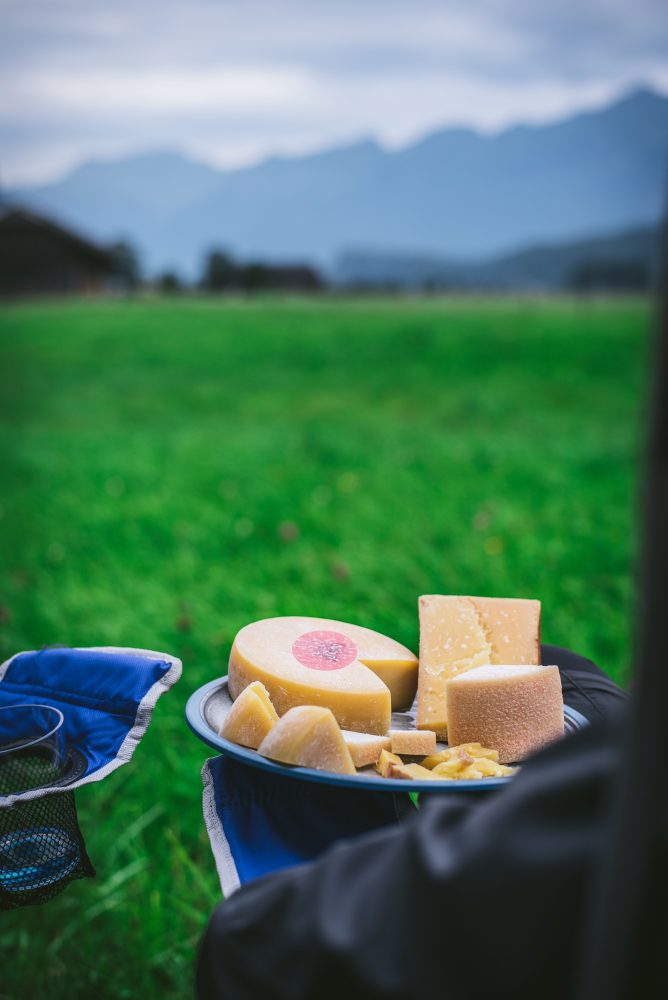
Soft cheeses, including Brie, fresh mozzarella, ricotta, and cottage cheese, need proper refrigeration to maintain their quality and safety. Although the door may have a cheese compartment, it is not necessarily the best location for products that are particularly perishable. Repeated warming can affect freshness, and the door’s frequent movement can make containers easier to knock over or leave improperly sealed.
Store soft cheeses in their original packaging or a clean, tightly covered container on an interior shelf. Follow the storage instructions on the label, especially after opening. Hard cheeses generally keep longer than soft varieties, but they still benefit from proper refrigeration and secure wrapping. Keeping cheese in a stable location can help preserve its texture and flavor while reducing the risk of premature spoilage.
6. Opened Dairy-Based Coffee Creamer
Coffee creamer is often stored in the door because it is used every morning and fits neatly into narrow compartments. But refrigerated dairy-based creamers need to stay cold, and the door’s temperature swings can make it a less reliable place to store an opened bottle. Plant-based creamers can also require refrigeration, depending on the product and whether the package has been opened.
Check the label for storage instructions, including whether the creamer needs refrigeration before or after opening. If it must remain refrigerated, place it on an interior shelf rather than relying on the door. Do not assume a product is shelf-stable just because it contains plant-based ingredients. Following the manufacturer’s directions helps preserve the product and prevents you from having to replace it before you finish the bottle.
7. Fresh Juice That Requires Refrigeration
Fresh juice and refrigerated juice products can lose quality or become unsafe if they are exposed to temperatures that are too warm for too long. The door may seem like an ideal place for a juice bottle, especially when children or adults reach for it several times a day. However, frequent opening can expose the bottle to temperature changes that are less suitable for perishable drinks.
Keep juice that requires refrigeration on an interior shelf, and follow any instructions about how soon it should be consumed after opening. Pasteurized juice generally has different storage needs from freshly squeezed or unpasteurized juice, so the label matters. Unpasteurized juice can carry harmful bacteria and deserves particular care. If a product has been left out beyond safe limits, do not rely on its smell or appearance alone to decide whether it is safe to drink.
8. Refrigerated Medications
Not everything that needs a cold environment is food. Certain medications, including some injectable medicines and liquid formulations, must be refrigerated according to their packaging or pharmacist’s instructions. Storing them in the refrigerator door may expose them to temperature changes that can affect product stability. For medications, the consequences of improper storage can be more serious than a change in taste or texture.
Follow the specific storage directions provided with the medication, and ask a pharmacist if you are unsure where to keep it. Some products must not be frozen, while others have strict temperature limits. Keep medications in their original packaging when appropriate and separate them from food to avoid accidental contamination or confusion. Do not assume every medication belongs in the refrigerator; only refrigerate those that specifically require it.
What Can Safely Stay in the Refrigerator Door?
The door is generally better suited to products that are less perishable or formulated to tolerate ordinary refrigerator use, such as many condiments, including mustard, ketchup, and some salad dressings. Even then, the label should guide storage, especially after opening. Some products are shelf-stable until opened, while others need refrigeration from the start.
Relocating the most temperature-sensitive foods does not require reorganizing your entire refrigerator. Keep milk, eggs, raw meat, and other highly perishable items in colder interior areas, and use the door for suitable condiments and other products that tolerate its temperature fluctuations. This simple adjustment can support safer food storage and help reduce avoidable waste.
What To Read Next
7 Foods You’re Probably Storing in the Wrong Part of Your Refrigerator
12 Condiments and Sauces You’re Storing Incorrectly
5 Myths About Drinking And Storing Wine You Probably Believe To Be True
Storing Produce: Don’t Let the Moisture Out of These 30 Foods