
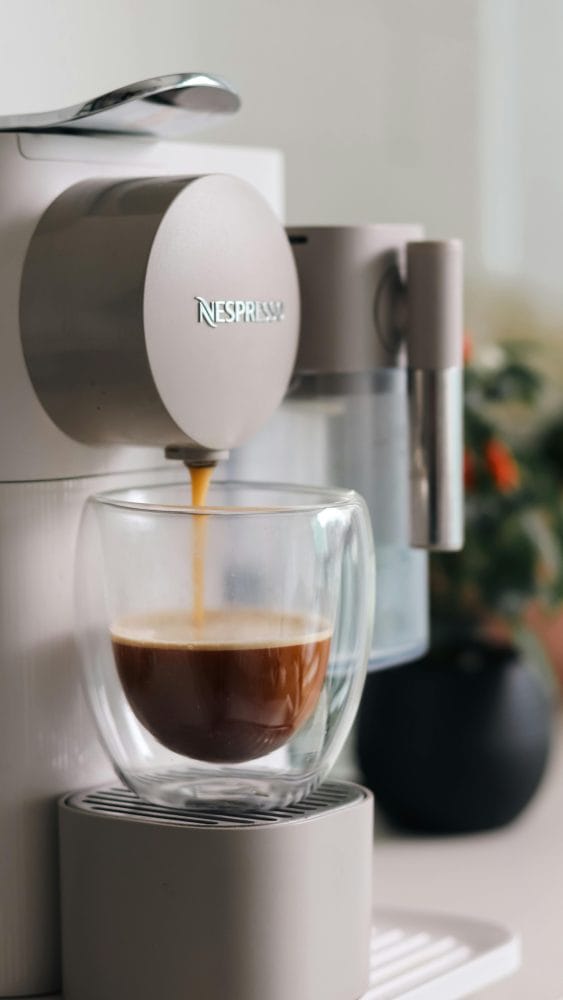
Image Source: Pexels
Millions of Americans start their morning by pressing a single button on a coffee machine. The convenience of dropping a plastic pod into a brewer changed how families consume caffeine. Grocery aisles now dedicate entire sections to these colorful boxes. While the speed is undeniable, the financial reality of this habit is severe. You pay a steep premium for plastic packaging. As food budgets tighten in 2026, auditing your beverage spending is mandatory. Here is a detailed look at the hidden cost of single-serve coffee pods and how to change your daily routine.
1. Calculating the Price Per Pound
The supermarket relies on deceptive packaging to hide the true cost of coffee pods. A standard box contains 12 pods and costs around 8 dollars. Each pod holds roughly 0.4 ounces of ground coffee. When you do the math, you are paying over 25 dollars for a single pound of standard commercial coffee. If you look at the bags of whole-bean coffee on the same grocery shelf, a full 16-ounce bag of premium beans costs $10. Buying pods forces you to pay a 150% markup purely for the plastic cup.
2. The Illusion of Freshness
Coffee beans begin losing their flavor the moment they are roasted and ground. Exposure to oxygen degrades the natural oils. Single-serve pods contain coffee that was ground months before it ever reached the supermarket shelf. The manufacturers seal the plastic cups with foil to trap nitrogen inside, but the coffee still goes stale during transit. You are paying luxury prices for a stale product. Buying whole beans and grinding them in your kitchen guarantees a rich flavor profile that a plastic pod cannot replicate.
3. The Reusable Filter Strategy
You do not need to throw your pod brewer in the trash to save money. The easiest way to reduce your grocery bill is to purchase a reusable stainless steel filter. These small metal baskets fit perfectly into your current machine. You buy a cheap 12-ounce bag of ground coffee at the store and fill the metal filter yourself every morning. This 1 minute task drops the cost of your morning cup of coffee from 75 cents to 15 cents.
4. The Environmental Plastic Waste
The financial drain is only one part of the problem. Single-serve pods create billions of pieces of plastic waste every year. The small cups are notoriously difficult to recycle. Most municipal recycling facilities reject them because they are too small for the sorting machines, or they contain wet coffee grounds. The boxes sitting in the grocery aisle represent a permanent environmental burden. Switching to bagged coffee eliminates this daily plastic waste from your household trash.
5. Exploring Better Brewing Methods

Image Source: Pexels
Breaking the pod habit allows you to explore better brewing techniques. A classic French press or a basic drip coffee maker costs 20 dollars at a local retail store. These devices extract far more flavor from the beans than the rapid pressure of a pod machine. When you buy your coffee in standard 1-pound bags, you gain access to a wider variety of regional roasts and organic options. The supermarket offers dozens of premium bagged coffees that never make it into the restrictive pod format.
6. Projecting Your Annual Savings
The math over a full year is clear. If a household consumes 4 single-serve pods a day, they spend roughly $3 daily on coffee. That equals 1095 dollars a year. Switching to bagged coffee and brewing a full pot costs roughly 60 cents a day. The annual cost drops to $219. You save $876 a year simply by avoiding the plastic pods. This cash stays in your checking account and provides a buffer against rising prices in the meat and produce aisles.
Taking Control of Your Morning
Convenience always carries a hidden fee at the grocery store. The coffee aisle is a glaring example of this retail rule. You must decide if saving 2 minutes in the morning is worth spending hundreds of extra dollars a year. Transitioning back to traditional ground coffee or utilizing a reusable metal filter protects your budget. It also delivers a fresher and more robust beverage to start your day.
What To Read Next
Coffee Costs Are Rising Again What Is Behind the Latest Price Jump
Beef, Sugar, and Coffee Prices Set to Outpace Average Grocery Inflation This Year
How to Use Digital Coupons to Get Free Coffee
Lower-Cost Coffee Options Shoppers Are Switching To
These 5 New Coffee Brands Taste Better Than Your Old Favorites