
Image source: shutterstock.com
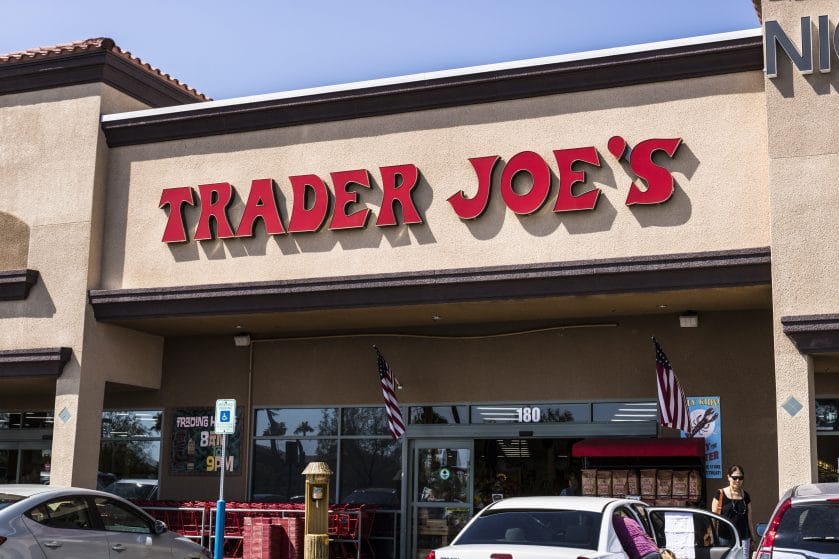
It is a universal experience shared by nearly every Trader Joe’s shopper: you arrive at the store excited to buy mandarin orange chicken and peanut butter pretzels, only to spend the first fifteen minutes circling a parking lot that seems comically too small. The spaces are tight, the lanes are narrow, and there never seem to be enough spots for the volume of cars. This parking chaos has become such a defining feature of the brand that it is often the subject of memes and jokes. However, this lack of parking is not an oversight by the architects; it is a deliberate feature of the company’s business model designed to keep your grocery bill low.
The Economics of Small Footprints
To understand the parking lot, you have to understand the building attached to it. The average supermarket in the United States is roughly fifty thousand square feet. A typical Trader Joe’s is significantly smaller, averaging between ten thousand and fifteen thousand square feet. City zoning laws and real estate developers typically allocate parking spaces based on the square footage of the retail space. Since the store footprint is small, the allotted parking is proportionally small. Trader Joe’s chooses these smaller locations specifically because they come with lower rent and lower utility costs. If they leased a massive building just to get a massive parking lot, they would have to raise prices to cover the overhead.
High Turnover and Sales Velocity
The chaos is also a symptom of the store’s incredible success. Trader Joe’s has one of the highest sales-per-square-foot ratios in the grocery industry. They move a massive amount of product through a very small space. This means that while the parking lot is sized correctly for a “normal” store of that square footage, it is undersized for a store with the viral popularity of Trader Joe’s. The company relies on a high-turnover model. They want you to get in, buy your favorites, and get out. The pressure of a busy parking lot subconsciously encourages shoppers to be efficient, keeping the flow of customers moving.
The “Neighborhood Store” Aesthetic
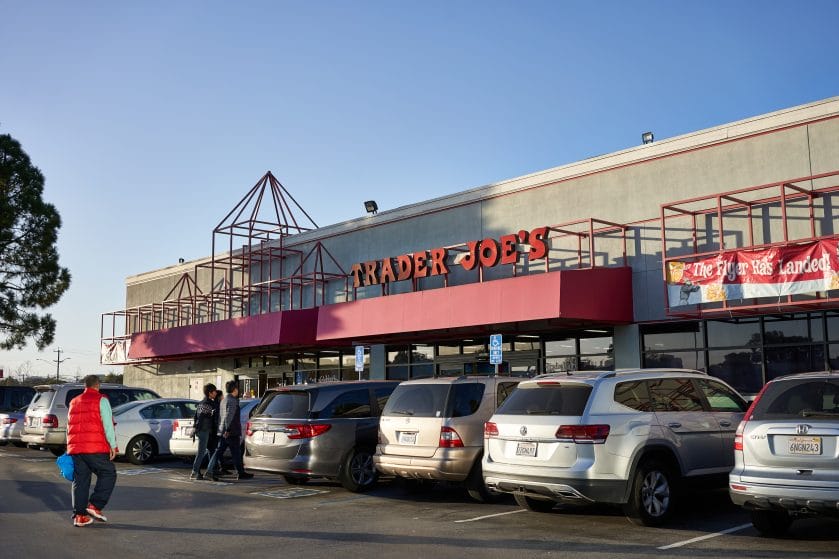
Image source: shutterstock.com
There is also a branding component to the size. Trader Joe’s intentionally markets itself as your “neighborhood grocery store,” not a big-box warehouse. Massive, sprawling asphalt lots are associated with corporate giants like Walmart or Costco. By keeping the lot tight and the store intimate, they maintain a specific vibe that feels local and accessible, even if the reality involves a few minutes of road rage before you get a cart.
The Cost of Convenience
Ultimately, the parking lot is a trade-off. The money the company saves on prime real estate and massive paving projects is passed down to the consumer in the form of nineteen-cent bananas and affordable wine. If they fixed the parking problem, the unique value proposition of the store would likely disappear.
Navigating the Asphalt Jungle
The next time you are fighting for a spot, remember that the frustration is the price of admission for the deals inside. The chaotic lot is the most visible evidence of the company’s commitment to low overhead. Unless they radically change their business strategy, the parking struggle is here to stay.
What to Read Next
Top 6 Reasons Trader Joe’s Is So Successful
The 9 Weirdest Items from Trader Joe’s You Need to Try
Here’s Why More People Are Switching to Aldi and Trader Joe’s in 2025