
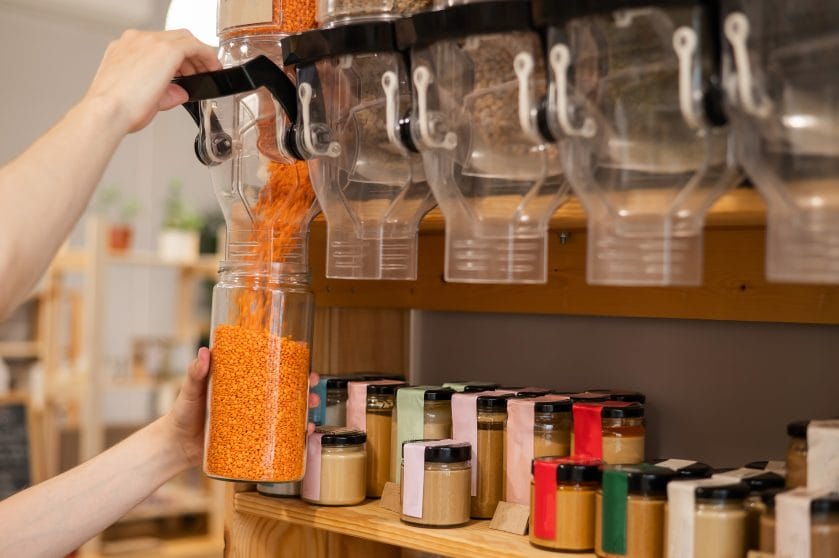
The amount of plastic packaging waste generated by a single trip to the grocery store is truly staggering. Most household cleaning products and pantry staples come in single-use containers that end up in landfills. Retailers are finally introducing a creative solution to this environmental problem by installing dedicated refill stations. This new shopping method allows you to reuse your own containers for everything from laundry soap to dry pasta. Let us look at the zero-waste aisle and how refill stations are helping shoppers cut both plastic and costs.
1. Reducing Plastic Pollution
Traditional liquid detergents and shampoos are sold in heavy plastic bottles that take hundreds of years to decompose. Refill stations allow you to bring your own glass or durable plastic containers back to the store repeatedly. This system eliminates the need for the manufacturing and disposal of new single-use packaging. You can significantly reduce your household carbon footprint by making this one small shopping adjustment. Protecting the local environment starts with reducing the waste we bring home from the supermarket.
2. Lowering the Unit Price
A large portion of the retail price you pay for many products is actually just the cost of the packaging. When you use a refill station, you only pay for the actual weight of the liquid or grain. This typically results in a lower price per ounce compared to buying a new prepackaged bottle on the shelf. You can save as much as 20 percent on your monthly cleaning supplies by switching to the refill model. Cutting out the middleman and the extra plastic keeps more cash in your wallet every single month.
3. Purchasing Exact Quantities
Standard grocery packaging often forces you to buy more than you actually need for a specific recipe or project. Refill stations allow you to dispense the exact amount of olive oil or spices required for your dinner. This flexibility prevents expensive food waste and ensures that your pantry stays organized and clutter-free. It is the perfect solution for apartment dwellers with very limited storage space in their kitchens. You only pay for what you use, which is a much smarter way to manage your household budget.
4. Supporting Clean Ingredients
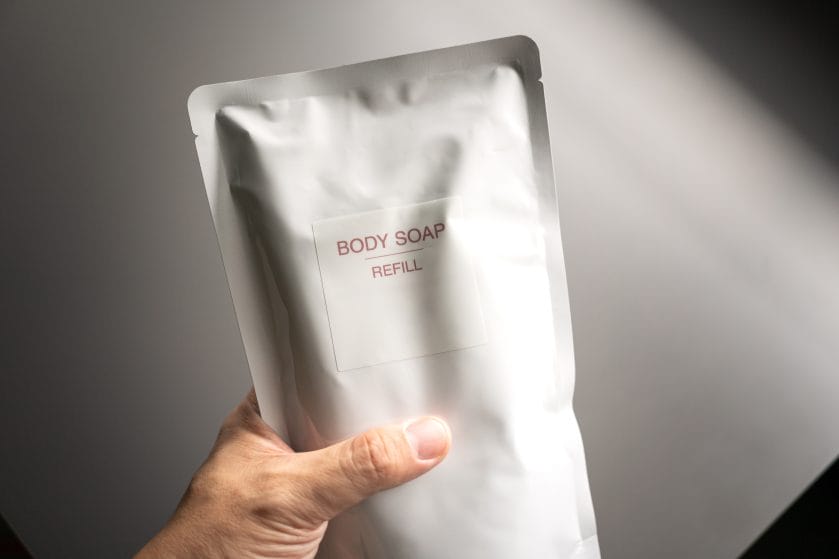
Many zero-waste refill stations focus on providing natural and eco-friendly products for the local community. You can find high-quality castile soaps, organic grains, and chemical-free laundry detergents in these aisles. These products are often better for your skin and the overall health of your home environment. Retailers who invest in refill technology usually prioritize transparency and sustainable sourcing for their inventory. Choosing these options ensures that your family is using safe and effective household products.
Joining the Refill Movement
Changing the way you shop for household essentials is a powerful way to live a more sustainable life. Bringing your own jars to the store might feel a bit unusual at first, but it quickly becomes a rewarding habit. You get to enjoy high-quality products while actively reducing the amount of trash in your local neighborhood. As more shoppers demand these services, more grocery stores will install their own zero-waste stations. Embracing the refill revolution is a brilliant strategy for both the planet and your personal finances.
What To Read Next
How to Build a Zero-Waste Grocery List That Saves Money
The Anti-Waste Grocery Strategy That Also Saves Money (No Coupons Required)
Families Build Smaller Stockpiles Amid Price Uncertainty
How Afresh Technology Is Helping Supermarkets Eliminate Food Waste
7 Grocery Store Items That Are a Complete Waste of Money in 2026