
Image source: pexels.com
Smoking meat is a culinary tradition that predates modern refrigeration. The process infuses proteins with rich flavors and increases their shelf life. While smoked barbecue and cured sausages taste incredible, modern health experts view these foods with caution. The chemical process of smoking introduces specific risks to the human body. Frequent consumption of heavily smoked products links to various long term health issues. You must understand the specific dangers hiding in your favorite deli meats. Here are 5 types of smoked meat that can raise health concerns.
1. Cold Smoked Salmon and Fish
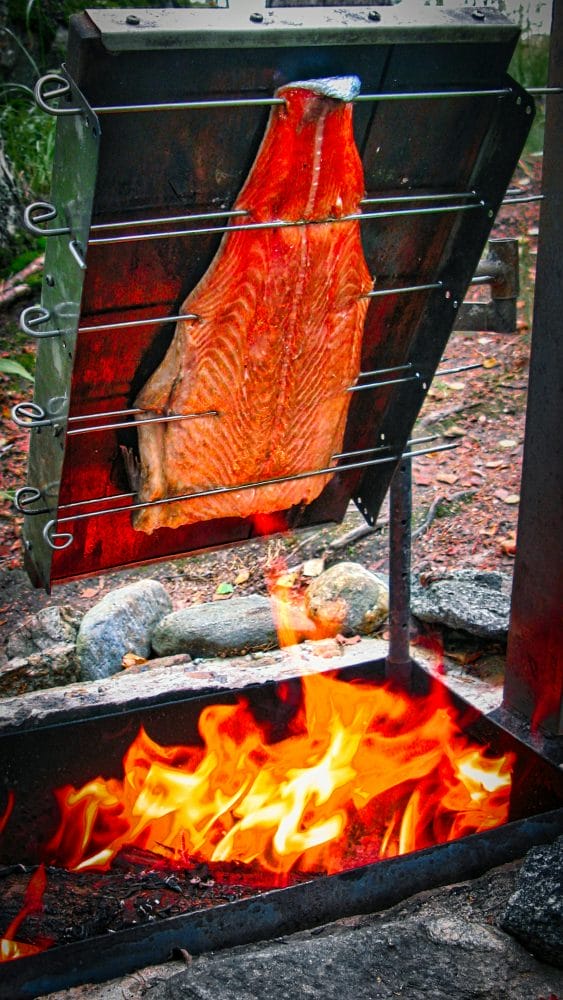
Cold smoking is a unique process. The fish sits in a smoky environment, but the temperature never rises high enough to actually cook the flesh. The meat remains raw. This lack of thermal heat means cold-smoked salmon carries a distinct risk of Listeria contamination. Listeria is a resilient bacterium that survives cold storage. Pregnant women and older adults face severe complications from Listeria infections and should avoid cold-smoked fish entirely.
2. Traditional Smoked Bacon
Bacon undergoes a curing process involving heavy salt and chemical nitrates. When you fry smoked bacon in a hot skillet, the high heat causes the nitrates to interact with the natural proteins in the pork. This chemical reaction creates nitrosamines. Medical research classifies nitrosamines as known carcinogens. Eating traditional smoked bacon daily increases your exposure to these harmful compounds. Seeking out uncured bacon brands reduces the nitrate risk significantly.
3. Smoked Sausages and Hot Dogs

Image source: pexels.com
Commercial smoked sausages combine several health risks into a single casing. Manufacturers use thick wood smoke to flavor the processed meat. The burning wood produces polycyclic aromatic hydrocarbons. These chemical compounds stick to the surface of the sausage. Furthermore, the meat contains astronomical levels of sodium to extend the shelf life. The combination of smoke chemicals and high sodium stresses the cardiovascular system and elevates blood pressure levels over time.
4. Thick Smoked Turkey Legs
You frequently find massive smoked turkey legs at fairs and theme parks. The danger with these oversized items involves the smoking mechanics. Turkey legs are incredibly thick. Achieving a safe internal temperature of 165 degrees Fahrenheit requires precise temperature control in the smoker. If the smoker runs too cool, the outside of the meat looks finished while the deep interior remains in the temperature danger zone. This allows Salmonella bacteria to thrive near the bone.
5. Artisanal Smoked Jerky
Making beef jerky at home or buying it from unregulated local vendors carries hidden risks. The meat must reach a specific internal temperature before the drying process begins to kill pathogens like E. coli. If an artisan relies purely on low-temperature smoke to dry the beef, the bacteria survive the process. The resulting jerky looks safe, but it acts as a carrier for foodborne illness. You should only purchase smoked jerky from commercial facilities subject to strict federal temperature inspections.
Enjoying Smoked Foods Safely
You do not have to ban smoked meats from your diet completely. The key is moderation and preparation. Treat smoked sausages and bacon as occasional weekend treats rather than daily staples. When cooking bacon, use a lower heat setting to prevent the rapid formation of harmful chemical compounds. By understanding the chemical and bacterial risks associated with the smoking process, you can balance the rich flavor with your personal health goals.
What To Read Next
Food Safety Investigators Warn of Contaminated Produce Arriving Late in Season
Why Discount Grocers Are Faced With Hidden Safety Risks You Haven’t Seen
11 Ways to Stretch Your Grocery Budget with Beans and Rice
Meat Produce and Pantry Staples Which Categories USDA Says May Climb Most