

Grocery shopping has long encouraged families to buy bigger packages to save money. Large cereal boxes, family-size bags of chips, and multipacks of drinks have traditionally promised more food for less money per serving. But that familiar strategy is changing as shoppers become more careful about how much they spend, what they consume, and what they can realistically use before it goes stale. Food companies are responding with more packaging options, including smaller portions and lower-priced formats. For shoppers, the change could make favorite brands easier to afford, but it also raises questions about whether smaller packages offer genuine value.
The Traditional Family-Size Package Is Losing Its Appeal
For years, grocery brands relied on the idea that shoppers wanted to stock up and stretch their money by purchasing larger quantities. Family-size packages supported that habit by offering a lower price per ounce or serving. The approach worked well for larger households that could finish food quickly and had enough pantry or refrigerator space to store extra groceries. However, shopping habits are becoming less uniform, and manufacturers are recognizing that one standard package size cannot meet everyone’s needs.
Smaller households, tighter budgets, and more frequent trips to the grocery store are challenging the assumption that shoppers always want to buy more at once. NielsenIQ highlighted these shifts in a September 2026 report urging consumer-goods companies to rethink traditional packaging strategies. Some customers still want bulk savings, while others would rather spend less at checkout and purchase only what they need. That split is pushing brands to consider a wider range of sizes instead of relying so heavily on family-size formats.
Lower Prices at Checkout Matter More Than Ever
A large package can offer a better price per ounce while still costing considerably more upfront. That creates a problem for shoppers who are trying to stay within a weekly grocery budget, even when buying the larger size would save money over time. A smaller cereal box or snack bag may cost more for each ounce, but its lower total price can make it easier to fit into a shopping trip. For people managing several household expenses at once, the amount due at checkout can matter more than the theoretical savings from buying in bulk.
Food companies are responding by offering products at different price points, allowing shoppers to purchase familiar brands without committing to a larger package. Smaller snack bags, mini beverage cans, and individual portions can make products accessible to customers who would otherwise skip them. These options do not necessarily provide the lowest unit price, so shoppers still need to compare sizes carefully. The benefit is flexibility: consumers can choose between spending less immediately and paying more upfront for a larger quantity.
Smaller Households Need Different Package Sizes
Not every shopper is feeding a family of four or more. People living alone, couples without children, roommates, and older adults may find traditional family-size packages difficult to finish before food loses its freshness. Buying a large container can seem economical until part of it goes stale or ends up in the trash. Smaller formats can better match the amount a household typically consumes, particularly for foods that are opened frequently but used slowly.
This shift is prompting brands to rethink what a standard package should look like. Instead of designing primarily around large households and bulk purchases, companies are considering smaller portions alongside multipacks and larger formats. The goal is not necessarily to eliminate family-size products, which remain useful for many households, but to give shoppers more choices. A household that needs a small amount of cereal or crackers should not have to purchase several weeks’ worth simply to get a recognizable brand.
Food Waste Is Part of the Packaging Conversation
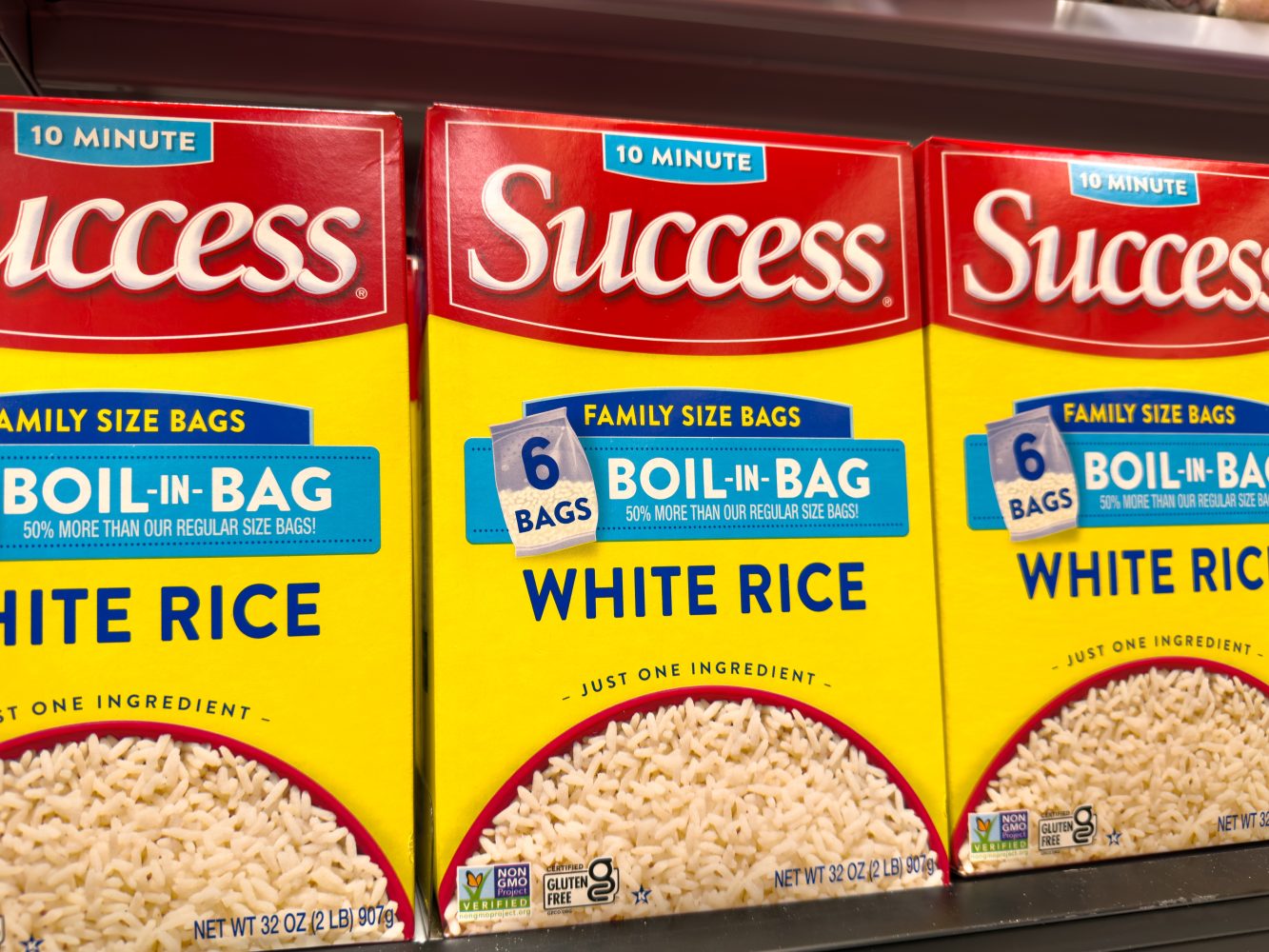
The price on a package does not tell the whole story if some of the food never gets eaten. Large bags of chips can lose their crunch after opening, bread can develop mold, and refrigerated foods can spoil before a household finishes them. In these cases, a larger package may offer a lower unit price but deliver less practical value than expected. Buying an amount that can realistically be consumed may help shoppers avoid wasting both food and money.
Smaller packages can reduce that risk, although they are not automatically the more economical or environmentally friendly choice. Individual portions may use more packaging material relative to the amount of food inside, and shoppers may pay a premium for convenience. The smartest option depends on the product, how quickly the household uses it, and whether the larger size can be stored properly. For shoppers, the useful question is not simply which package contains the most food, but which one is most likely to be used completely.
Smaller Packages Can Look Like Shrinkflation
There is an important distinction between launching a genuinely smaller option and quietly limiting the contents of an existing product. When a company cuts the amount of food in a package without a proportional price reduction, shoppers may pay more per ounce. That practice is commonly called shrinkflation, and it can make grocery bills feel higher even when the shelf price has not changed. The Government Accountability Office examined product downsizing in a July 2025 report, noting that reductions in quantity can increase unit prices even when the total price stays the same.
That history means brands must be careful about how they present new sizes. A smaller package with a clearly lower total price may serve shoppers who need an affordable option, but a reduced quantity at nearly the same price can frustrate loyal customers. Shoppers can protect themselves by checking the net weight, number of servings, and unit price rather than relying on package dimensions or familiar branding. A package that looks nearly identical to the one bought last month may not contain the same amount.
Bulk Buying Is Not Going Away
Despite the growing interest in smaller formats, large packages still make sense for plenty of shoppers. Families with children, people who pack lunches every day, and households that regularly entertain guests may use large quantities of snacks, drinks, and pantry staples. Warehouse clubs and grocery promotions can also make bulk buying worthwhile when the savings are meaningful and the food will not go to waste. The shift is toward more choice, not necessarily the disappearance of family-size packaging.
Brands must balance these different needs without making their product lines too complicated or expensive to manufacture. Offering too many sizes can create additional packaging costs, take up valuable shelf space, and make inventory more difficult to manage. Companies therefore have to decide which products need smaller versions, which should retain large formats, and where multipacks can serve both budget-conscious and bulk-buying customers. The most successful approach may be a mix of sizes rather than a single solution for every grocery aisle.
How Shoppers Can Tell Which Size Is the Better Deal
As package sizes become more varied, comparing unit prices becomes increasingly useful. The unit price, usually displayed as a cost per ounce, pound, quart, or other measurement, helps shoppers compare different package sizes on equal terms. A larger bag may cost less per ounce, while a smaller bag may have a lower total price. Looking at both figures helps shoppers understand the trade-off instead of assuming the largest option is always the best deal.
It also helps to consider storage space, how quickly a product will be used, and whether the food can be frozen or sealed after opening. A bulk purchase is less appealing if it crowds the pantry or goes stale before the next shopping trip. Meanwhile, a smaller package may be worth its higher unit price if it prevents waste or makes a necessary purchase fit the budget. Comparing prices alongside actual household needs gives shoppers a more realistic picture of value.
Grocery Packaging Is Changing, but Smart Shopping Still Matters
The move toward more package sizes reflects a basic change in how people shop: value is no longer just about getting the most food for the lowest price per ounce. Shoppers are balancing upfront costs, household size, convenience, and the risk of wasting food, and brands are adjusting to those competing priorities. Family-size packages will remain useful, but they may no longer be the default answer for every product or customer.
For grocery shoppers, the best response is to stay flexible rather than automatically choosing either the biggest or smallest package. Compare unit prices, check quantities, and think about how much your household will realistically use. A larger package is a good deal when the savings are real, and the food gets eaten. When it is not, paying less at checkout for a smaller amount may be the smarter choice.
What To Read Next
Family-Size Packages Often Cost More Per Ounce—The Shelf Tag Number That Proves It
School Snack Multipacks vs. Full-Size Packages: Which Costs Less?
Are Grocery Prices Really Getting Lower — Or Just Smaller Packages?
The Real Reason Cart Sizes Are Growing While Packages Are Shrinking
The Real Reason Cart Sizes Are Growing While Packages Are Shrinking