
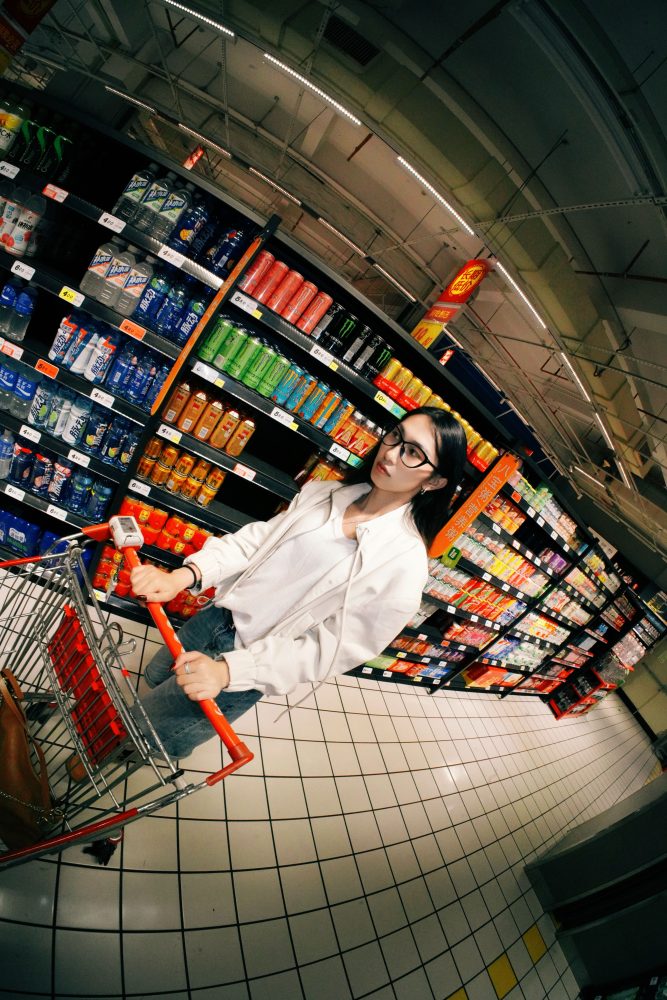
For years, store-brand groceries were often treated as the cheaper alternative shoppers bought when name brands cost too much. That perception is changing as more households discover products they enjoy just as much as their familiar national brands. According to the Food Industry Association’s 2026 Power of Private Brands report, 92% of U.S. grocery shoppers have store-brand products at home, up from 89% in 2025. Nearly half of surveyed shoppers increased their store-brand purchases over the past year, and 94% said they would continue buying them even if grocery prices declined. The findings suggest that shoppers aren’t simply looking for temporary relief from high grocery bills. Many are developing lasting preferences for products sold under their favorite retailers’ own labels.
Store Brands Are No Longer Just the Cheapest Option
The biggest appeal of store brands remains their potential to lower grocery bills. Supermarkets often price their private-label products below comparable national brands, giving customers a way to save on everyday purchases without abandoning familiar foods. When shoppers buy staples such as canned vegetables, pasta, flour, frozen foods, or dairy products regularly, even modest differences in price can add up over time.
However, the latest research suggests that affordability is no longer the only reason shoppers choose these products. FMI found that taste and quality have become increasingly important among consumers who are buying more private-label items. In the survey, 39% cited quality as a reason for increasing purchases, while 37% pointed to taste. Those figures indicate that shoppers are finding products they genuinely like, rather than choosing store brands only when their budgets leave them little choice.
Shoppers Are Becoming More Confident in Store-Brand Quality
Store-brand products have changed considerably from the basic alternatives many shoppers remember. Retailers now sell their own versions of everything from everyday baking ingredients to premium snacks, specialty cheeses, frozen meals, and organic products. Some also offer multiple private-label tiers, allowing customers to choose between basic budget options and products positioned as more upscale.
That wider selection gives shoppers more opportunities to find products that meet their expectations for flavor, ingredients, and convenience. A customer who discovers that a store-brand pasta sauce works just as well in a favorite recipe may see little reason to pay more for another label. The same can be true of flour, sugar, canned beans, or frozen vegetables. Experiences like these can turn an initial trial purchase into a regular shopping habit, particularly when the product delivers consistent results.
The Savings Can Add Up Across an Entire Shopping Cart
The difference between a national brand and a store brand may seem small when comparing a single package. But shoppers often purchase several products in categories where alternatives are available, including cereal, condiments, snacks, cleaning supplies, and pantry staples. Choosing lower-priced options across multiple aisles can create more meaningful savings than switching just one item.
The smartest approach is to compare products individually rather than assuming every store brand is automatically the better deal. Check package sizes, unit prices, ingredients, and any current promotions before deciding. A national brand on sale may occasionally cost less than its private-label competitor, while a larger store-brand package may offer a better price per ounce. Shoppers can also begin with products where brand loyalty matters less to them, then keep the alternatives that deliver the best combination of price and quality.
Store Brands May Influence Where People Shop
A retailer’s private-label selection can become a reason customers choose one supermarket over another. FMI’s 2026 research found that 56% of shoppers considered their primary store’s private-brand assortment very important when deciding where to shop. That finding suggests store brands are becoming part of a retailer’s identity, rather than simply occupying space beside national brands.
This matters because shoppers cannot always find the same private-label products at competing chains. Someone who regularly buys a particular store-brand coffee, frozen meal, or snack may prefer returning to that retailer rather than searching for a replacement elsewhere. Retailers have an incentive to build products that customers recognize and want to purchase again. For shoppers, a strong private-label selection can make it easier to combine convenience, familiar products, and grocery savings in one trip.
Younger Shoppers Are Helping Drive the Trend
Younger consumers are also contributing to the growth of store brands. In FMI’s survey, 59% of Gen Z shoppers and 52% of millennial shoppers reported increasing their private-label purchases over the previous year. That compares with 49% of shoppers overall who said they had increased their purchases.
These findings suggest that store brands appeal to shoppers who are willing to explore alternatives instead of automatically reaching for familiar national labels. Social media can also introduce customers to products they might not have considered, from specialty snacks to retailer-exclusive favorites. Still, the survey does not mean every younger shopper prefers private labels or that price has stopped mattering. Rather, it points to a broader shift in which more consumers are open to trying alternatives and deciding whether they deserve a place in their regular grocery rotation.
Some Products Are Easier to Replace Than Others
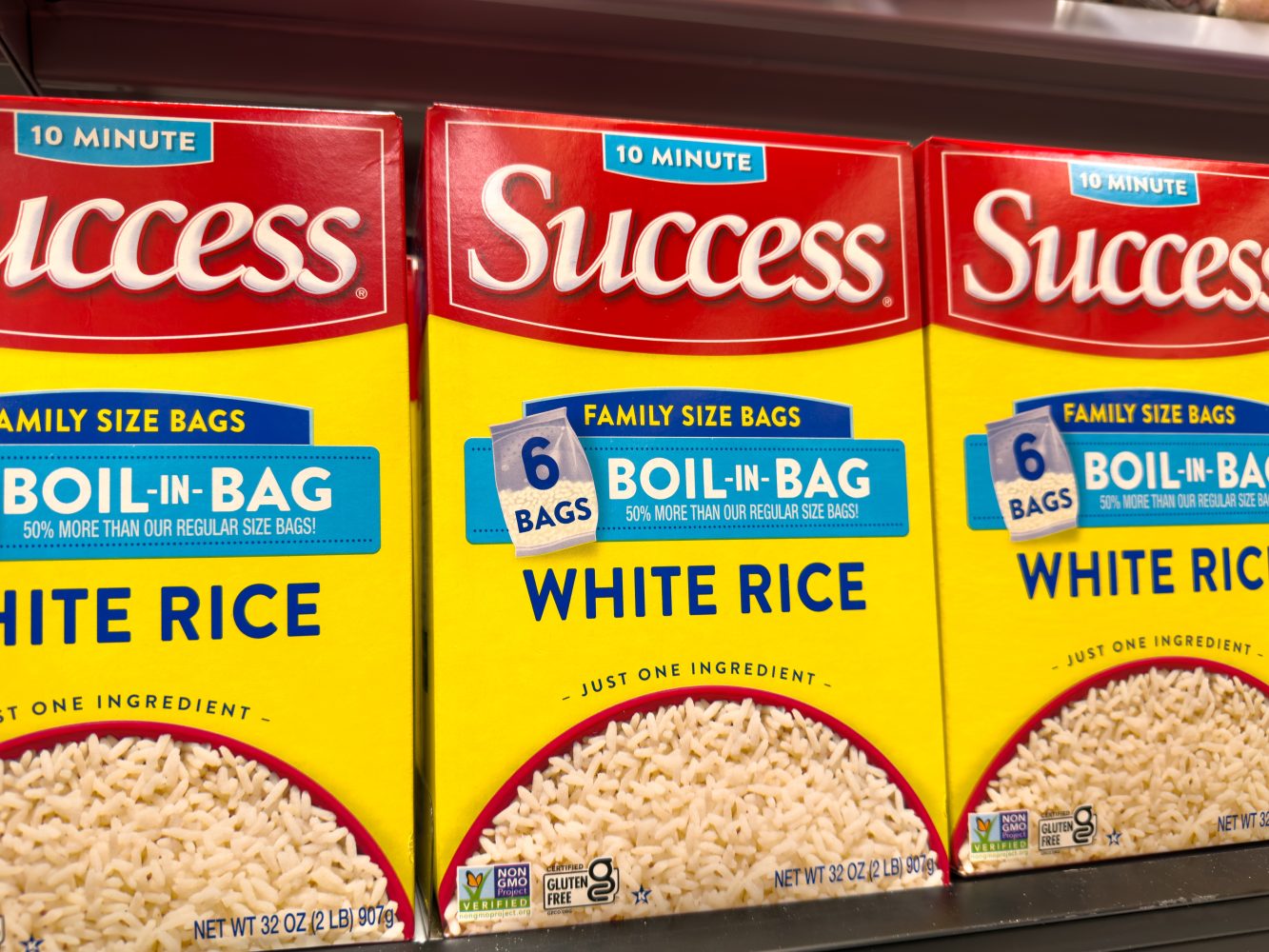
Not every grocery item is an obvious candidate for a store-brand switch. Products such as flour, sugar, canned vegetables, dried pasta, and basic baking ingredients often perform similarly across brands for everyday uses. For these purchases, the lower-priced option may be an easy way to reduce spending without noticeably changing a meal.
Other categories can be more personal. Shoppers may strongly prefer a particular coffee, breakfast cereal, condiment, or snack because of its flavor or texture. Special dietary needs can also affect which products are suitable, making ingredient labels and nutrition information important comparisons. Instead of replacing everything at once, try one alternative at a time and decide whether the difference matters to you. That way, savings come from products you are happy to keep buying, rather than purchases that leave you disappointed or go to waste.
Will Shoppers Keep Buying Store Brands if Prices Fall?
One of the most striking findings in FMI’s report is that 94% of surveyed shoppers said they would continue buying store brands even if grocery prices declined. That suggests the habit may extend beyond the immediate pressure of food costs. Once customers find products they trust, they may have little incentive to return to more expensive alternatives simply because their budgets have some breathing room.
The survey measures shoppers’ stated intentions, so it cannot guarantee that everyone will follow through on those plans. Actual purchases will still depend on product availability, promotions, changing preferences, and household needs. Even so, the findings point toward a meaningful shift in how consumers view private labels. For many shoppers, the question is no longer whether store brands are an acceptable substitute, but which ones are good enough to become their first choice.
Store Brands Are Becoming a Long-Term Grocery Strategy
The fact that 92% of surveyed grocery shoppers have store-brand products at home shows how common private labels have become, but the more telling finding is that most respondents expect to keep buying them even if prices fall. Lower costs may encourage shoppers to try alternatives, yet quality, taste, and familiarity can give them reasons to stick with those products. That combination helps explain why store brands are becoming a regular part of grocery shopping rather than a temporary response to expensive food.
For shoppers looking to cut their grocery bills, the lesson is to stay open to alternatives without assuming every product is interchangeable. Compare unit prices, test products you use frequently, and keep buying the options that meet your expectations. You may discover that some of the easiest savings come from items you already enjoy and would happily purchase again. Over time, a handful of reliable store-brand favorites can make a difference to your grocery budget without making your meals feel like a compromise.
What To Read Next
From Self-Checkout to Digital Coupons: 10 Grocery Changes Shoppers Love to Hate
7 Costco Food Court Tricks Regular Shoppers Wish They Knew Sooner
Digital-Only Grocery Deals Can Leave Some Shoppers Paying More
8 Ways Personalized Pricing Could Make Two Shoppers Pay Different Prices