
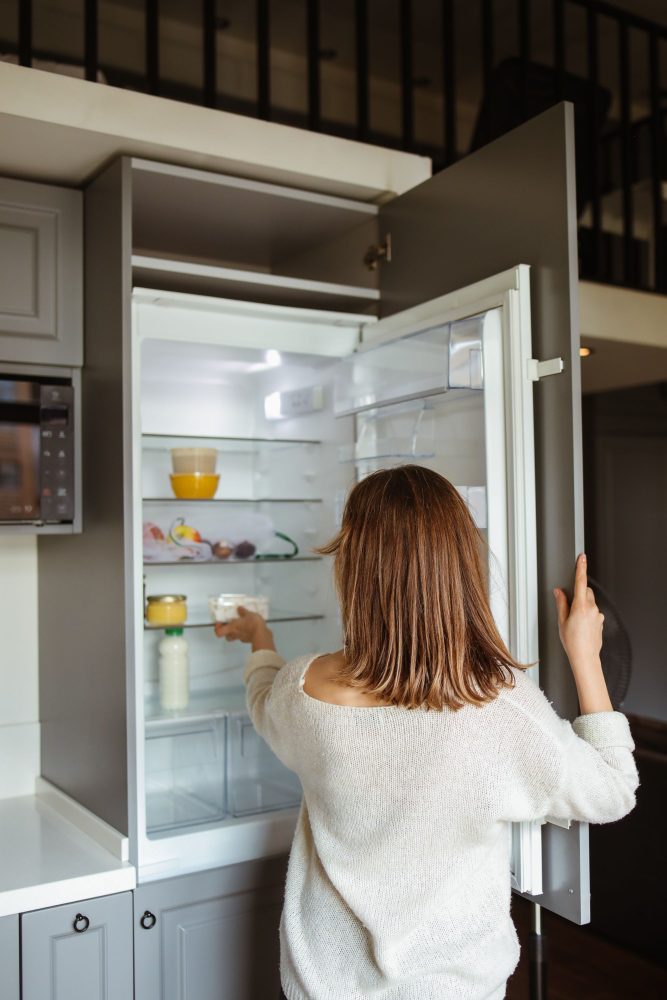
You bring groceries home, put everything away, and assume your refrigerator is doing its job. But where you place certain foods can affect how long they stay fresh, how quickly they spoil, and whether their juices can contaminate other items. Many refrigerators have warmer door compartments, humidity-controlled drawers, and shelves that make more sense for some foods than others. Eggs in the door, milk beside frequently opened compartments, and raw chicken above ready-to-eat food are common storage mistakes worth correcting. Here’s where seven everyday foods often end up, where they should go instead, and why these small changes can make a difference.
1. Eggs: From the Refrigerator Door to an Interior Shelf
Where people normally store them: Many refrigerators have built-in egg holders in the door, making that spot seem like the obvious place for a carton. The problem is that the door is exposed to temperature fluctuations every time someone opens the refrigerator. Even if the holder is convenient, it isn’t the best location for eggs that need consistent refrigeration.
Where they should go: Keep eggs in their original carton on an interior shelf, where temperatures are generally more stable. The carton also protects the shells and helps prevent eggs from absorbing odors from nearby foods. In the United States, refrigerated eggs should remain refrigerated rather than being left on the counter between uses. Moving them away from the door is a simple way to support safer storage and maintain quality.
2. Milk: From the Door to the Back of an Interior Shelf
Where people normally store it: Milk often goes in the refrigerator door because the tall bottle fits neatly into the lower compartments. Unfortunately, that convenient location experiences frequent temperature changes as warm air enters the refrigerator. If your household opens the door repeatedly throughout the day, milk stored there may experience more temperature fluctuation than milk kept farther inside.
Where it should go: Place milk toward the back of an interior shelf, preferably in a consistently cold area. The exact coldest spot varies by refrigerator design, so an appliance thermometer can help you identify the best location. Keep the refrigerator at 40°F or below and return milk promptly after pouring. This won’t eliminate milk spoilage, but stable refrigeration can help preserve its quality and reduce unnecessary waste.
3. Raw Chicken and Meat: From an Upper Shelf to the Bottom Shelf
Where people normally store them: Raw chicken, ground beef, and other meats sometimes end up wherever there is an open space after grocery shopping. That can mean an upper shelf beside leftovers, fruit, or ready-to-eat foods. The risk isn’t simply that meat is in the wrong temperature zone. If its packaging leaks, raw juices can drip onto other foods and spread harmful bacteria.
Where they should go: Store raw meat, poultry, and seafood on the bottom shelf in sealed, leakproof packaging or a container that can catch any drips. This placement helps keep contaminated juices away from food that won’t be cooked before eating. Keep the refrigerator at 40°F or below, and don’t rely on smell or appearance to determine whether raw meat is safe. A little planning when putting groceries away can help prevent cross-contamination.
4. Leftovers: From the Back of a Lower Shelf to an Easy-to-See Spot
Where people normally store them: Leftovers often get pushed onto a crowded lower shelf or tucked behind large containers, where they are easy to forget. Others leave a pot of food on the counter for too long before refrigerating it. Both habits can contribute to food waste or food safety problems, particularly when cooked food sits out or cools too slowly in a large container.
Where they should go: Transfer leftovers into clean, shallow containers and place them on an interior shelf where you can see and reach them easily. Refrigerate perishable food within two hours, or within one hour when temperatures exceed 90°F. Most cooked leftovers should be eaten within three to four days, or frozen sooner if you won’t finish them in time. Labeling containers with the date can help you use food before it needs to be discarded.
5. Leafy Greens: From a Crowded Main Shelf to the Crisper Drawer
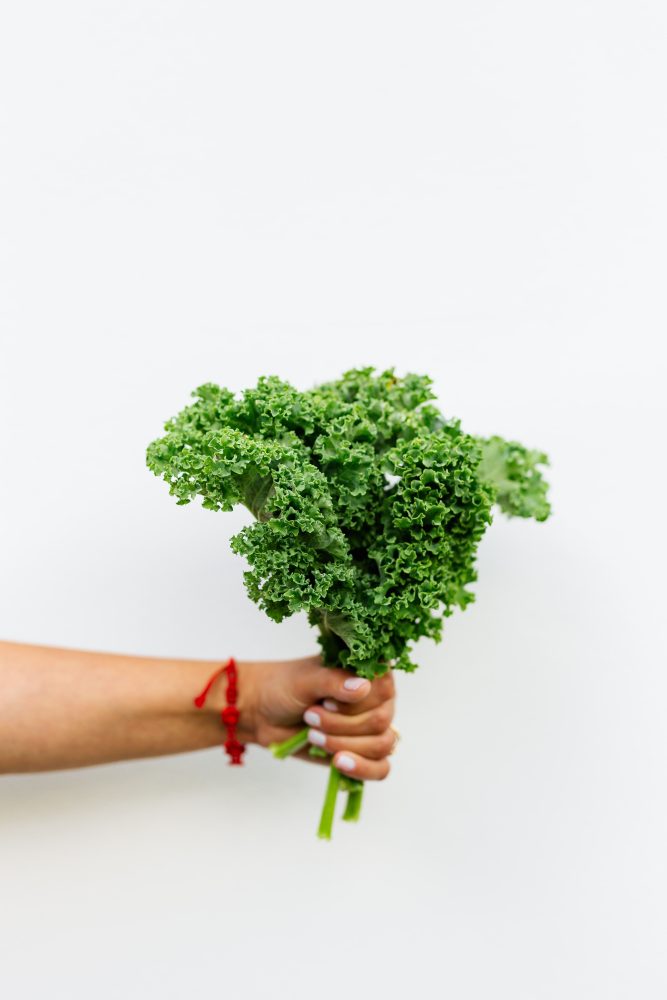
Where people normally store them: Bags of spinach, lettuce, and other leafy greens often get placed wherever there is room, sometimes beneath heavy containers or beside foods that can crush them. Some shoppers also wash greens as soon as they unpack their groceries and put them away while still damp. Excess moisture can encourage faster deterioration, leaving leaves limp or slimy before the package is finished.
Where they should go: Store leafy greens in the refrigerator’s crisper drawer, which is designed to help manage humidity and preserve produce quality. Follow the package instructions for prewashed greens, and avoid washing other greens until you’re ready to use them unless the product directions say otherwise. If you do wash them ahead, dry them thoroughly before storing. Keeping leaves away from crushing pressure and excess moisture can help extend their usable life.
6. Berries: From an Unprotected Shelf to a Dry, Protected Spot
Where people normally store them: Strawberries, blueberries, and raspberries sometimes get left in an open bowl or transferred into an airtight container immediately after shopping. Washing them before storage can add moisture, and tightly packed berries may trap dampness against one another. Because berries are delicate, a few damaged or moldy pieces can also affect the fruit around them.
Where they should go: Refrigerate berries promptly in their original ventilated container or another clean container that allows moisture to escape. Keep them dry and avoid crushing them beneath heavier groceries. Wash them under running water just before eating, rather than rinsing the entire package and storing it wet. Check the container occasionally and remove damaged or moldy berries so you can limit waste, although any moldy fruit should be discarded rather than eaten.
7. Cheese: From the Door to a More Stable Interior Shelf
Where people normally store it: Cheese is often kept in the refrigerator door alongside butter, sauces, and other frequently used items. While this can be convenient, repeated temperature changes may affect the quality of some cheeses. Cheese can also dry out when left loosely wrapped or absorb odors when stored uncovered near strongly scented foods.
Where it should go: Store most refrigerated cheese on an interior shelf or in a designated deli drawer, following the package’s storage instructions. Keep it wrapped or sealed appropriately to protect it from drying out and absorbing odors. Soft cheeses generally need more careful handling than hard cheeses, so pay attention to their individual refrigeration and use-by guidance. Keeping cheese in a stable, protected spot can help preserve its texture and flavor for longer.
A Better Refrigerator Setup Can Help You Waste Less Food
You don’t necessarily need a new refrigerator or expensive storage containers to improve how your groceries last. Start by moving eggs and milk away from the door, placing raw meat on the bottom shelf, and giving produce and leftovers designated spaces. These changes make food easier to find while helping protect ready-to-eat items from raw meat juices and reducing the chance that groceries will be forgotten.
The most important rule is to maintain a refrigerator temperature of 40°F or below and keep perishable foods properly covered and chilled. Remember that the exact coldest area can vary by appliance, so use a thermometer instead of assuming every refrigerator has the same temperature pattern. With a few practical adjustments, you can protect food quality, reduce avoidable spoilage, and get more use out of the groceries you already paid for.
What To Read Next
12 Condiments and Sauces You’re Storing Incorrectly
Stop Storing These 9 Items in the Refrigerator Door
5 Myths About Drinking And Storing Wine You Probably Believe To Be True
Your Bananas Keep Turning Brown Too Fast — Try This Simple Change
Why Does Ice Cream Sometimes Get Gritty After It’s Been in the Freezer?