
Feeling like your grocery budget is constantly “bleeding” – exceeding your planned amount despite efforts to save? It’s a common frustration. Often, small, seemingly insignificant habits or overlooked details during shopping trips contribute to this budget creep. Tackling these minor leaks can add up to substantial savings without requiring extreme couponing or drastic lifestyle changes. These are simple, actionable tweaks you can implement starting today to regain control and stop the unnecessary drain on your grocery funds. Here are eleven straightforward adjustments to plug those budget holes.

Image Source: Pexels
1. Shop with a Detailed List (and Zero Deviation)
This sounds basic, but its power lies in strict adherence. Before going to the store, create a detailed list based only on planned meals and known needs (checking your pantry first!). When in the store, commit to buying only what is on that list. Avoid browsing aisles you don’t need things from. Treat the list as your absolute guide, preventing impulse buys triggered by enticing displays or sudden cravings. This discipline is the single most effective way to control spending per trip.
2. Always Check Your Pantry, Fridge, and Freezer First
How often do you buy an ingredient only to discover you already have two at home? Failing to check your existing inventory before making your list is a common source of budget bleed. Do a quick scan of your pantry shelves, refrigerator drawers, and freezer contents. Note what you already have enough of. This simple step prevents buying unnecessary duplicates, reduces potential food waste from having too much, and ensures your list reflects actual needs accurately.
3. Limit Your Number of Shopping Trips
The more often you enter a grocery store, the more opportunities arise for impulse purchases and budget deviations. Try consolidating your shopping into one main trip per week or even less frequently if possible. Plan meals meticulously to cover the period between trips. Quick “pop-in” trips for just one or two items often result in grabbing several extra things not originally intended. Reducing exposure to the store environment inherently limits opportunities for unplanned spending.
4. Consider Using a Cash Envelope for Groceries
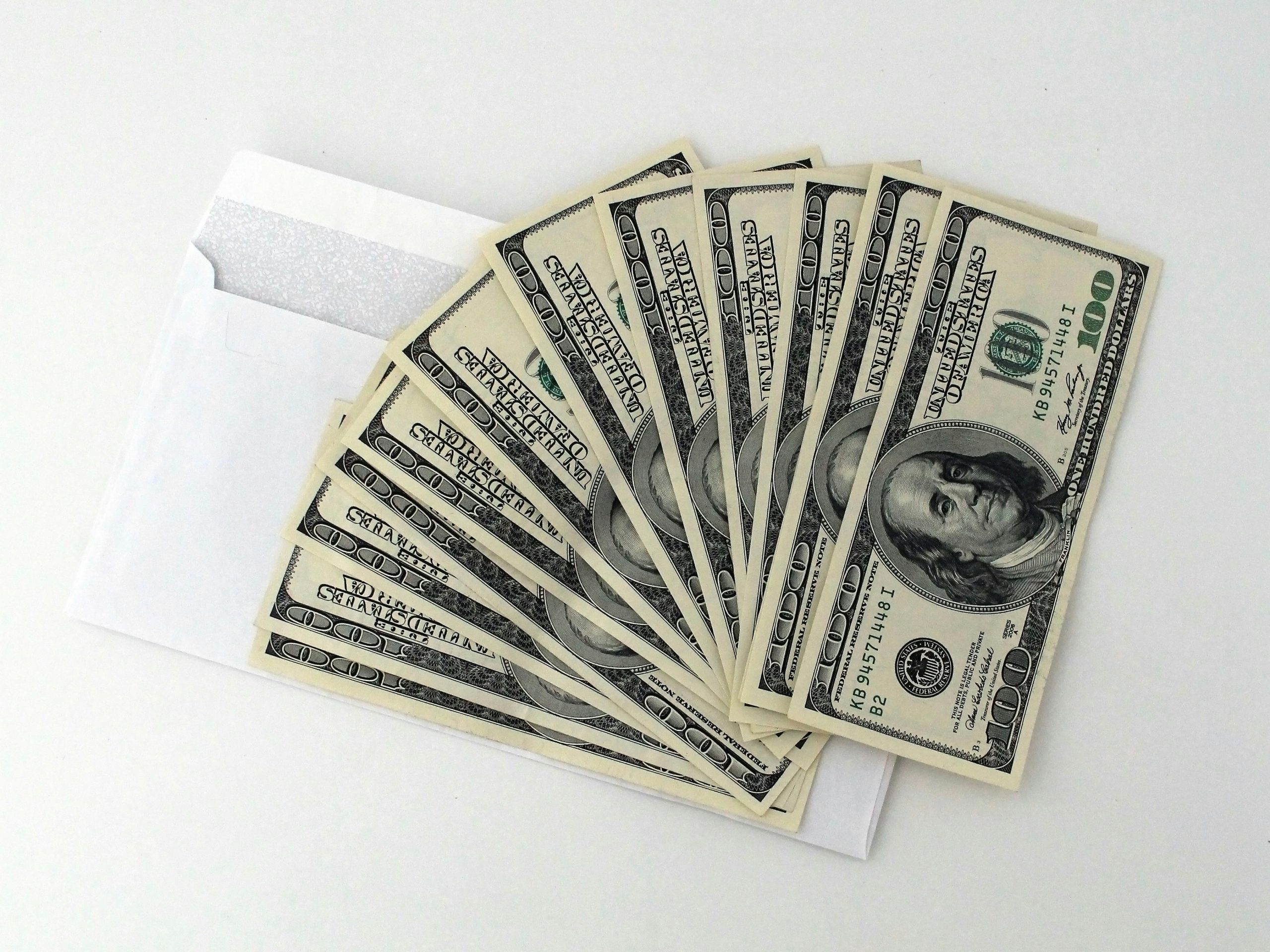
Image Source: Pexels
If swiping a card makes overspending easy, try the cash envelope method specifically for groceries. Withdraw your budgeted amount in cash at the beginning of the pay period. Put it in a designated envelope. Use only this cash for grocery purchases. When the cash is gone, grocery spending stops until the next budget period. This physical limit forces you to prioritize purchases and makes overspending impossible. It creates immediate, tangible budget accountability at the checkout.
5. Deliberately Avoid Temptation Aisles
Identify the aisles that typically trigger your impulse buys – perhaps the snack food aisle, the bakery section, the seasonal candy display, or the soda and beverage aisle. Make a conscious effort to bypass these sections entirely if nothing from them is on your strict shopping list. If you don’t see the tempting items, you’re far less likely to buy them. Reroute your path through the store to stick only to the aisles containing items you actually need according to your plan.
6. Question “Buy One, Get One” (BOGO) and Multi-Buy Deals
Sales like BOGO free or “10 for $10” seem like great deals, but only if you genuinely need the quantity offered and will use it before it expires. Ask yourself: Would I buy this item anyway? Do I truly need two (or ten) of them right now? Will we use the extra before it spoils? Often, these deals encourage purchasing more than necessary, potentially leading to waste or simply spending more upfront than planned, even if the unit price seems good. Evaluate based on need, not just the deal structure.
7. Focus Relentlessly on Unit Price for Staples
When buying pantry staples (rice, pasta, flour, canned goods, etc.), train yourself to always compare the unit price (price per ounce, pound, etc.) listed on the shelf tag, not just the total package price. Larger packages are usually cheaper per unit, but not always. Store brands are usually cheaper than national brands, but sales can change this. Making unit price comparison automatic ensures you consistently choose the most cost-effective option for basic items where brand often matters less, stopping budget bleed from habitually grabbing familiar but pricier options.
8. Ignore Most End-Cap and Checkout Lane Displays
Retailers strategically place high-margin, often unnecessary impulse items on end caps (the displays at the end of aisles) and in the checkout lanes. These are designed to grab your attention and encourage last-minute additions while you wait. Make a conscious decision to ignore these displays. They rarely feature true necessities or the best deals on staple items. Keep your focus on your list and avoid adding these final, often budget-breaking, temptations to your cart just before paying.
9. Never Shop When You’re Hungry
This age-old advice remains incredibly effective. Shopping on an empty stomach makes everything look more appealing, significantly increasing the likelihood of impulse buys, especially for ready-to-eat snacks or tempting treats not on your list. Your hunger overrides your budget discipline. Try to shop after a meal or have a small snack before heading into the store. Shopping when satiated helps you stick to your list and make more rational purchasing decisions based on need rather than immediate cravings.
10. Leave Extra People (Kids, Partners) at Home if They Trigger Impulse Buys
If your children consistently plead for sugary cereals or toys, or if your partner tends to toss extra snacks and unplanned items into the cart, consider shopping solo when possible. While family shopping trips happen, doing the main budget-focused stock-up trip alone removes those extra sources of impulse requests and potential budget deviations. It allows you to focus entirely on executing your planned list efficiently without external distractions or pressures, adding items to the cart.
11. Unsubscribe from Excessive Store Emails and Notifications
While store apps and emails can alert you to helpful sales, receiving constant notifications about deals, new products, or limited-time offers can also create artificial urgency and trigger unplanned shopping trips or online orders. If you find yourself frequently tempted by these alerts, unsubscribe from promotional emails or turn off push notifications for grocery apps. Check the weekly ad proactively when you make your list, rather than letting constant marketing messages derail your planned spending throughout the week.
Small Leaks Sink Budgets
Overspending on groceries often happens through small, repeated habits rather than one large splurge. Implementing simple tweaks – strictly following a list, checking inventory first, limiting trips, using cash, avoiding temptation zones, scrutinizing deals, comparing unit prices, ignoring impulse displays, shopping when full, sometimes shopping solo, and managing digital alerts – can effectively stop this budget bleed. These adjustments require mindfulness and discipline but quickly become habits. They empower you to regain control over your grocery spending without drastic measures, ensuring your money goes towards planned needs, not accidental extras.
Which of these grocery budget leaks do you struggle with most? What simple tweak has made the biggest difference for you?
Read More
11 Budget-Friendly Meals That’ll Make You Feel Like Royalty
5 Grocery Chains Slashing Prices to Win Back Budget Shoppers