Amanda Blankenship is the Chief Editor for District Media. She frequently writes for a handful of blogs and loves to share her own personal finance story with others. When she isn't typing away at her desk, she enjoys spending time with her daughter, son, husband, and dog. During her free time, you're likely to find her with her nose in a book, hiking, or playing RPG video games.
When you shop, you probably check prices, expiration dates, and ingredient labels—but the lot number is just as important, especially for certain products. A lot number identifies a specific batch of an item made during the same production run. This number is crucial for tracking safety recalls, quality issues, or contamination risks. If you skip…
If you’ve walked into a big-box retailer, electronics store, or even a pharmacy lately, you might have noticed something unusual—high-risk items are suddenly displayed near the front entrance or checkout lanes. This isn’t a coincidence. Many retailers are quietly rethinking their store layouts in response to rising theft, supply shortages, and security concerns. By moving…
For years, certain “health food” products have been promoted as miracle solutions for weight loss, better digestion, and overall wellness. Shoppers stocked their pantries with these items, trusting bold packaging claims and viral endorsements. But behind the scenes, the FDA has quietly shifted its stance on some of these trends—removing approvals, issuing warnings, or cracking…
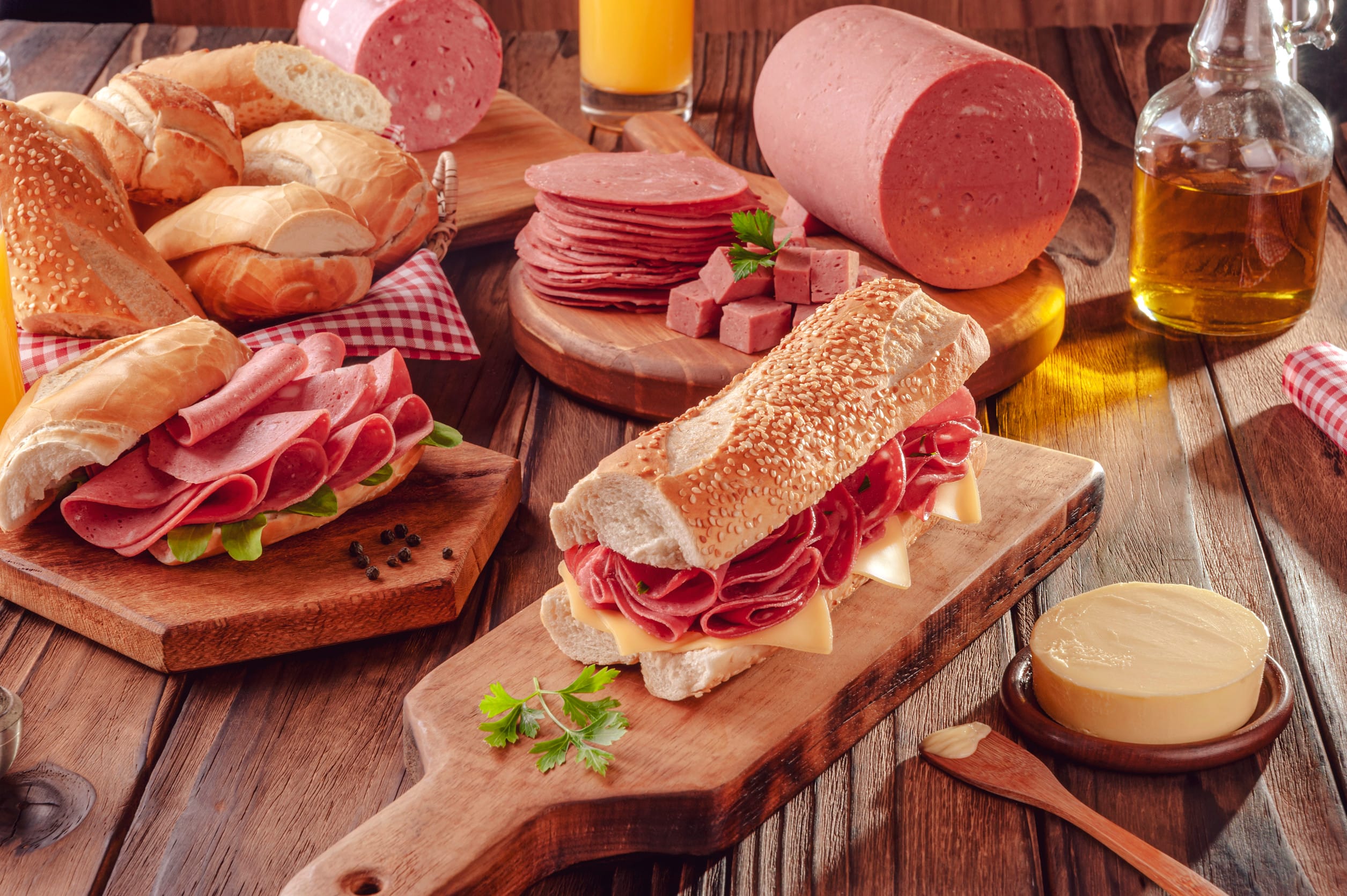
When you walk into a grocery store deli, it’s easy to assume everything behind the counter was prepared on-site that day. The truth? Many so-called “fresh” deli items arrive pre-packaged from a factory and are simply opened and displayed. While there’s nothing inherently wrong with pre-packaged foods, the marketing can make you believe you’re buying…
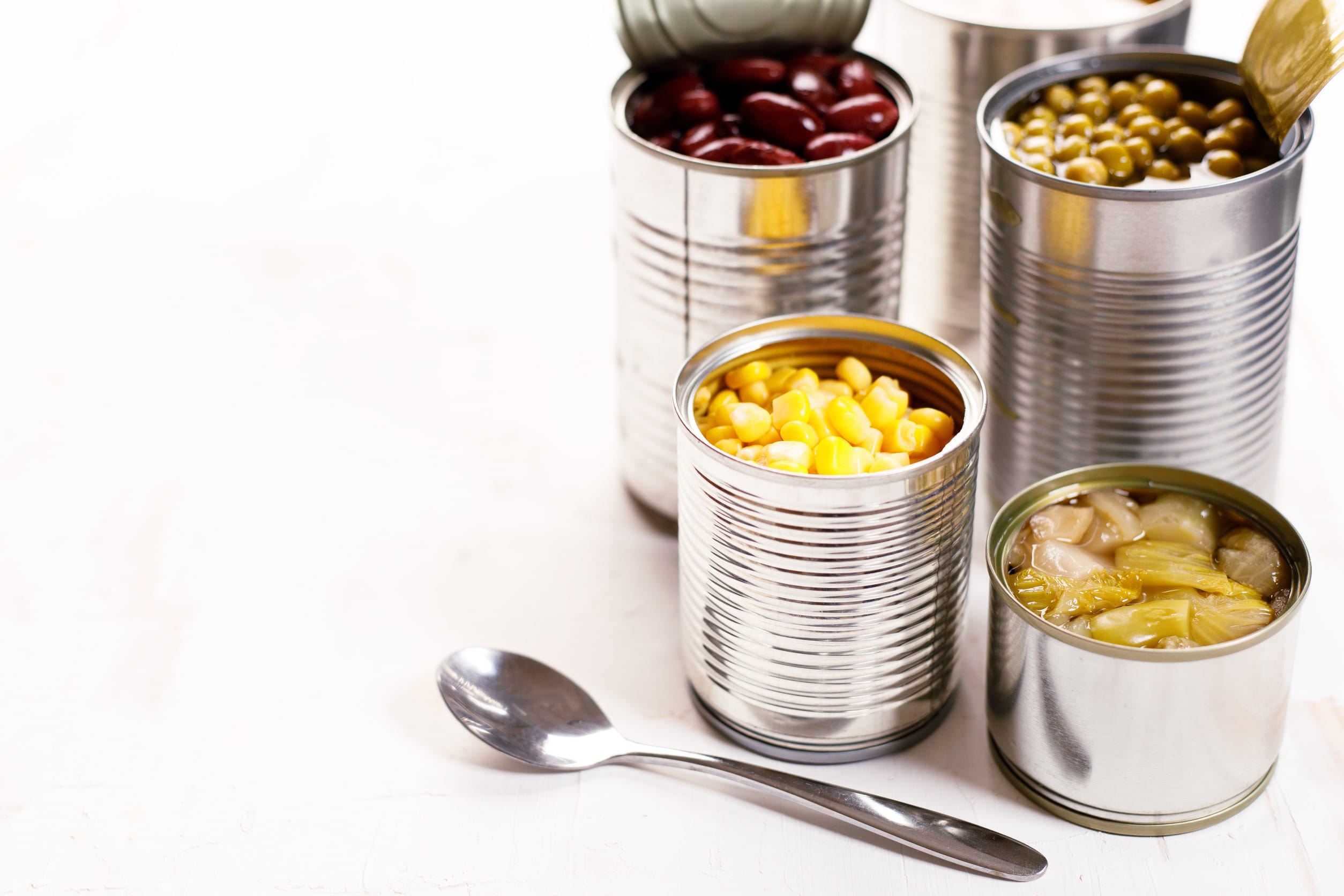
Ever opened a pantry and noticed canned goods that have no expiration date—just a production code or a “best by” label—and wondered if that’s sketchy or smart? It turns out, this isn’t an oversight—it’s often a deliberate signal that many canned goods are shelf‑stable for much longer than you’d expect. Understanding why canned goods sometimes…
Have you ever noticed that a “huge deal” during Black Friday or Prime Day doesn’t feel like a bargain? You’re not alone—and there’s a sneaky reason behind it. Time and again, retailers have raised prices right before major sales, so that the discount feels bigger—even when the final price is no better than regular. Knowing…
Have you ever wondered why some personal care items are pulled from shelves in Europe or Asia—but still casually stocked here in the U.S.? The difference often comes down to regulation and consumer safety standards. While your local store carries a familiar product, it might contain ingredients that other countries have banned for health or…
You love your morning cup of joe—but what if that smooth brew came at a cost you weren’t seeing? Several coffee brands have recently come under scrutiny, from diluting blends with filler to shrinking product sizes while keeping prices steady. Understanding who’s cutting corners helps you choose wisely—and keeps your coffee honest. Let’s dive into…
Imagine you’re reaching for a “low-fat” snack, thinking you’re making a healthier choice—until you discover it actually has more sugar than ice cream. That shock is exactly why skyrocketing sugar intake often sneaks in under the guise of “low-fat foods.” Without the fat that adds flavor and satisfaction, manufacturers often crank up sugar to win…
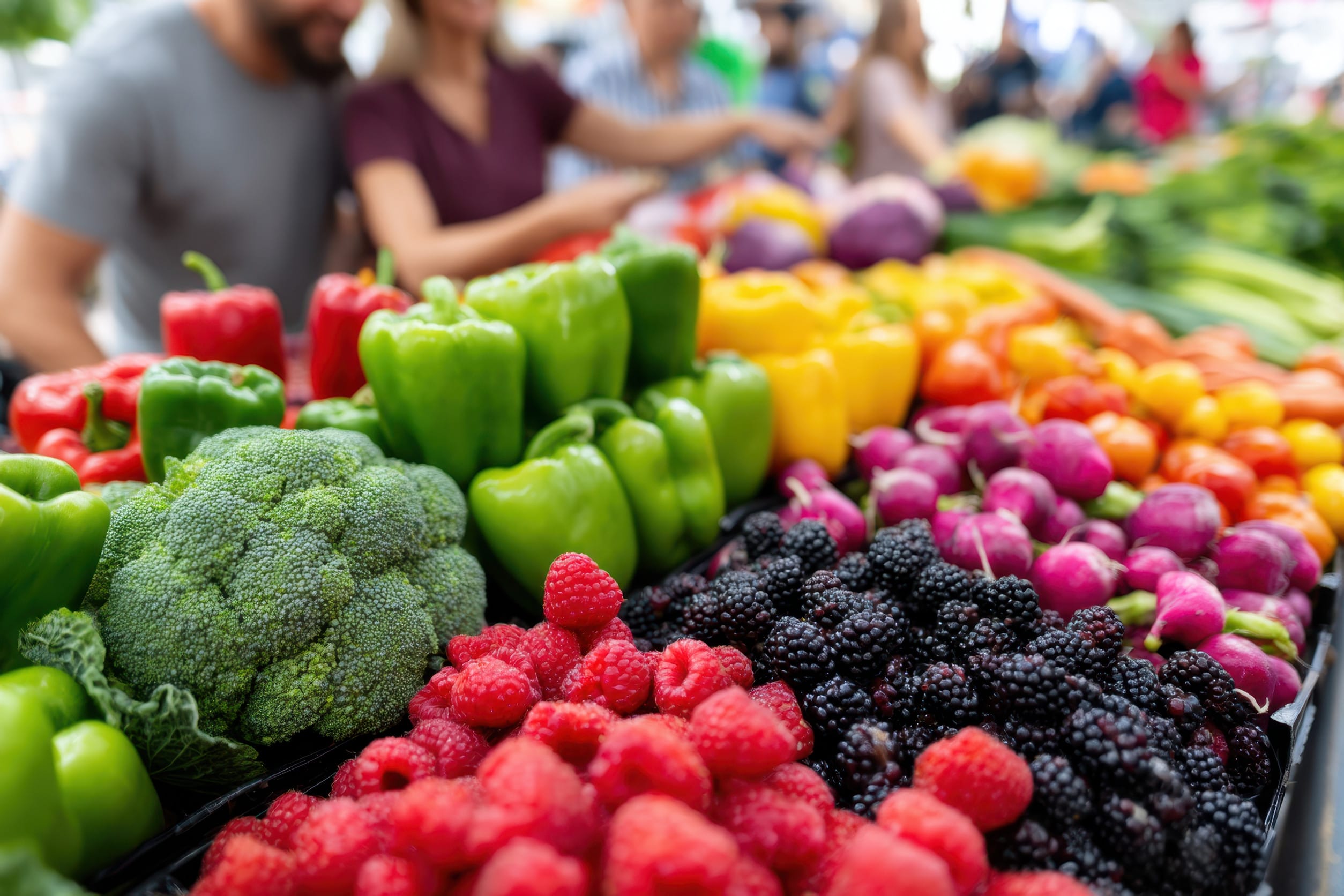
You just got back from the grocery store, excited to eat healthier—only to find your lettuce slimy and your berries fuzzy two days later. If it feels like your fruits and veggies are spoiling faster than they used to, you’re not alone. More shoppers are complaining about rotting produce just days after bringing it home.…
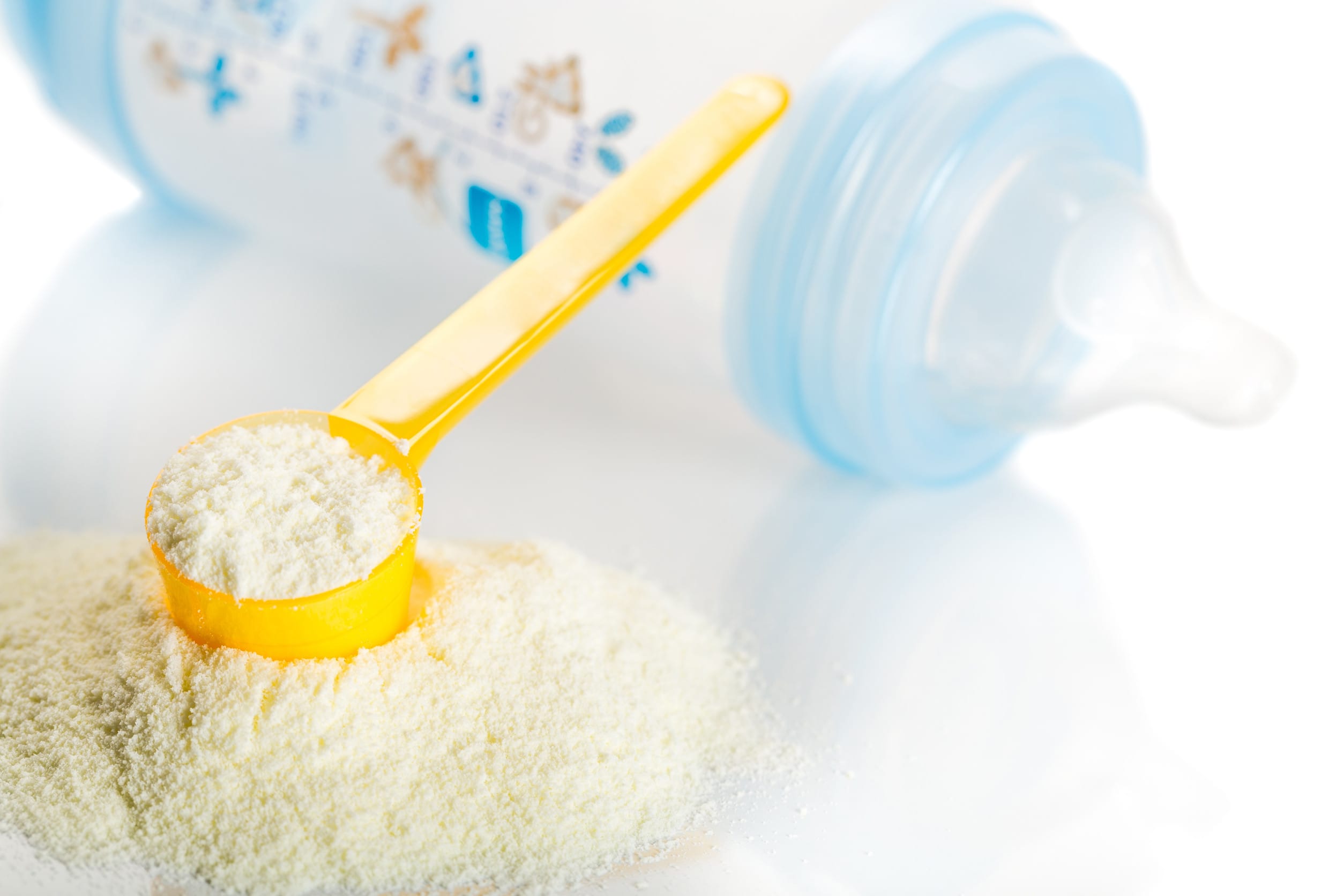
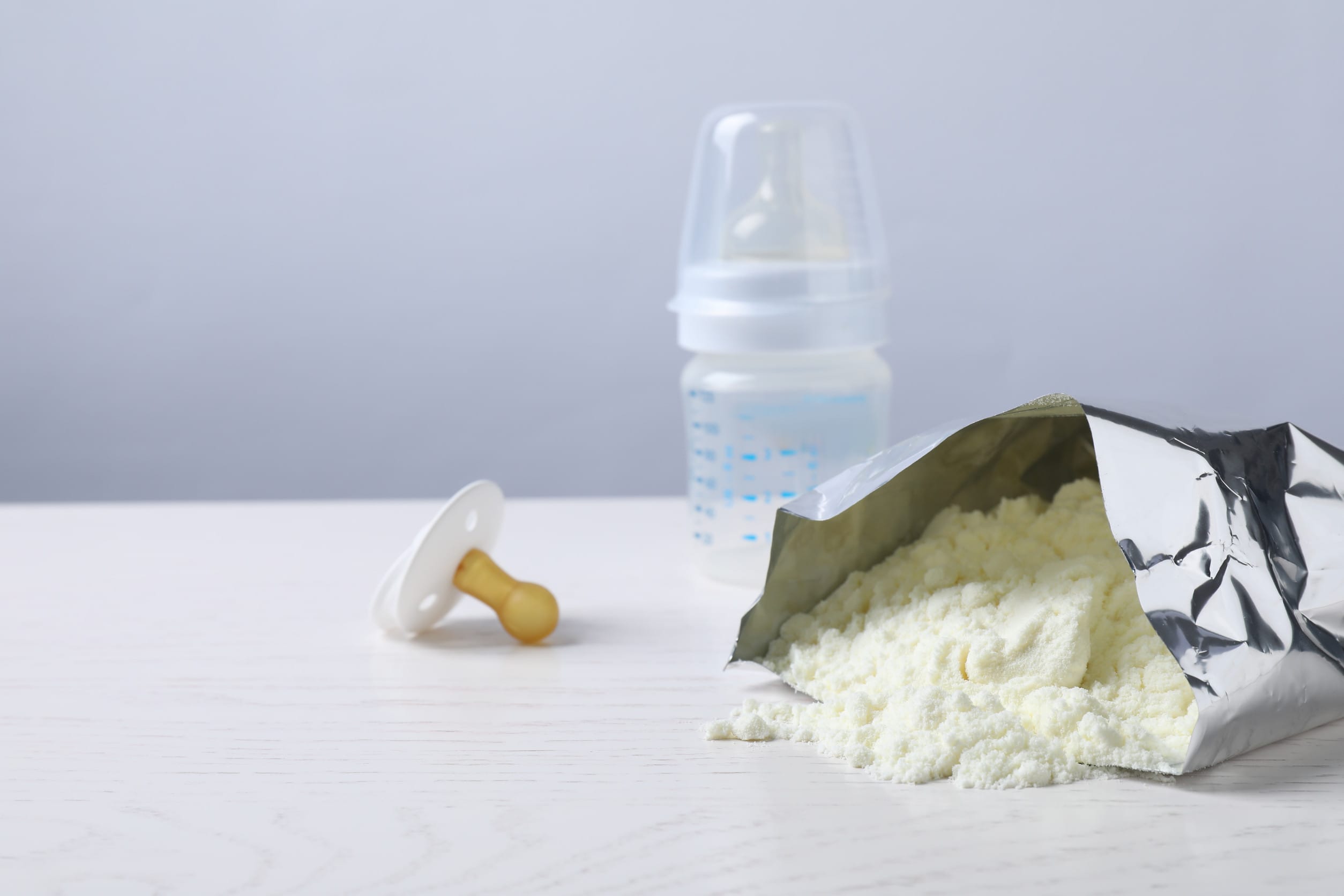
You walk into your favorite store to pick up everyday essentials—only to find signs that say, “Limit 2 per customer.” From toilet paper to baby formula, retailers are once again placing restrictions on how much you can buy. While it might feel frustrating or even unnecessary, there’s usually more behind these purchase limits than meets…
Ever noticed your favorite snack just doesn’t fill you up like it used to? You’re not imagining things. Many major brands have been quietly shrinking portion sizes by over 30%—without reducing prices. It’s a strategy known as “shrinkflation,” and while it’s subtle, it hits consumers hard over time. Companies rely on changes to packaging, shape,…
Store brands have exploded in popularity over the last decade. They often promise the same quality as name brands at a lower cost—and sometimes, they even outsell their more expensive counterparts. But when it comes to safety, not all store brands are created equal. In fact, there have been several times when generic products dominated…
You’re spending the same—or more—but getting less. That’s shrinkflation in action, and it’s everywhere right now. While inflation raises prices outright, shrinkflation takes a sneakier route by reducing package sizes, quantities, or quality without changing the price tag. From chips to toilet paper, manufacturers are quietly trimming down products, hoping consumers won’t notice. But once…
We all want to keep our pets happy and healthy, which is why many of us choose products labeled “pet-safe.” But here’s the problem: that label doesn’t always mean what you think it does. In fact, more veterinarians are now speaking out about certain pet-safe products that could be harming your furry family members without…
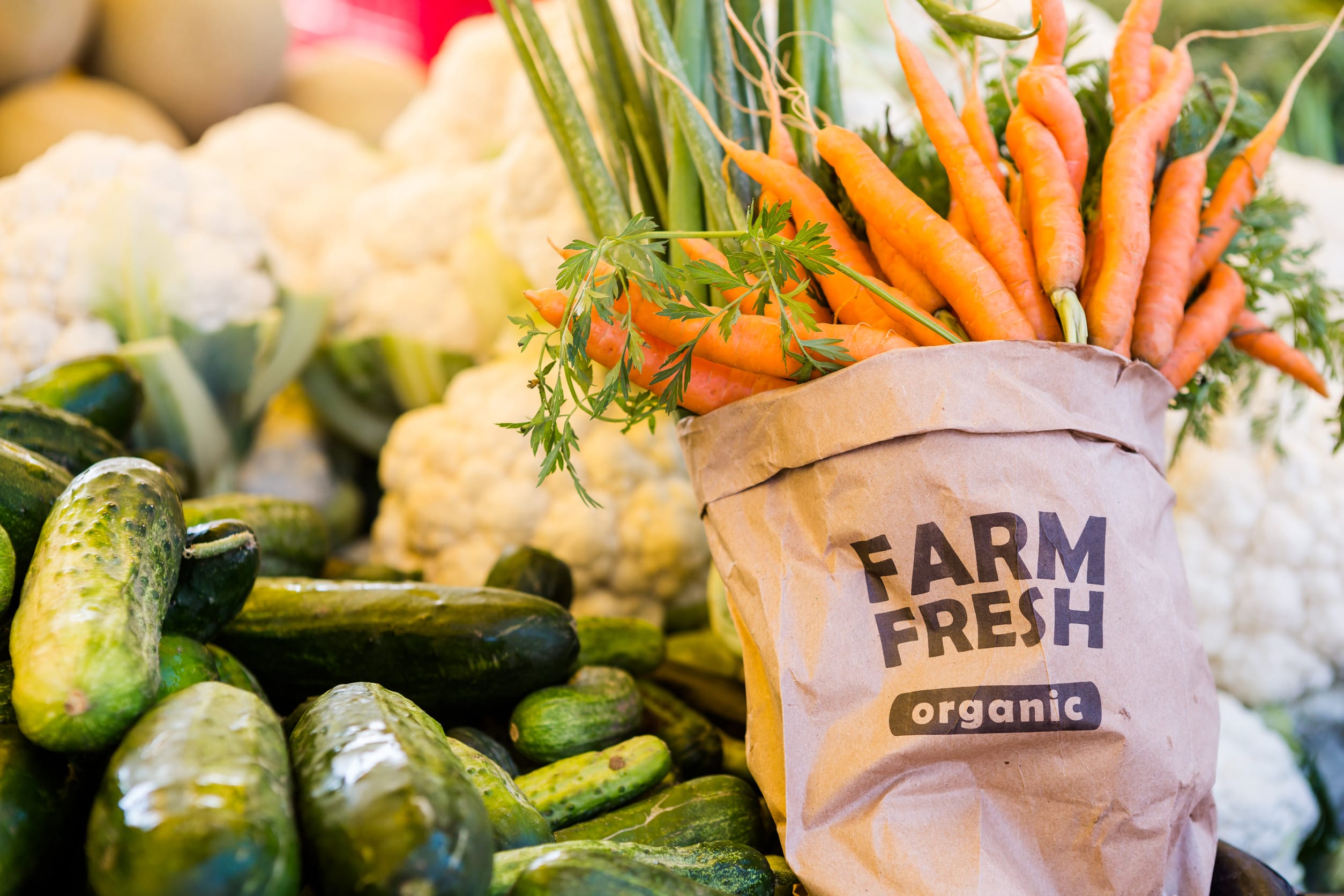
You try to make healthy choices. You pay a little extra for groceries that say “organic,” assuming they’re better for your body, your family, and the planet. But what if those labels aren’t telling you the full story? Many shoppers don’t realize that organic labels can be confusing, vague, or even misleading. Just because something…