Amanda Blankenship is the Chief Editor for District Media. She frequently writes for a handful of blogs and loves to share her own personal finance story with others. When she isn't typing away at her desk, she enjoys spending time with her daughter, son, husband, and dog. During her free time, you're likely to find her with her nose in a book, hiking, or playing RPG video games.
Loyalty programs used to be simple—you signed up, got a card or an app, and earned points every time you shopped. But in 2025, these programs have become far more sophisticated, and in some cases, far more invasive. Many retailers are now collecting data beyond your in-store purchases, tracking your online activity, app usage, and…
Most shoppers trust that the expiration dates on food labels are accurate, but the reality isn’t always so simple. In some stores, products that are close to—or even past—their original dates are quietly relabeled to extend their shelf life. While this practice isn’t legal in all states, it can still happen behind the scenes, putting…
For many shoppers, the digital coupon era hasn’t been entirely smooth sailing—especially for those who aren’t glued to their smartphones. That’s where Kroger scan-at-entrance flyers come in, offering a low-tech bridge to high-tech savings. Instead of fumbling through apps, customers can now scan a single flyer at the store’s entrance to unlock digital deals instantly.…
Imagine walking into your grocery store and having your favorite coffee, cereal, or produce instantly marked down just for you. That’s the promise of AI-powered real-time coupon systems, a technology that could take grocery deals from generic to hyper-personalized. Instead of clipping paper coupons or scrolling through dozens of offers, you’d get the exact discounts…
If you’re a Discover cardholder, this quarter brings an easy opportunity to put more cash back in your pocket. From now through the end of the quarter, Discover 5% grocery store rewards are in effect, meaning you’ll earn five times the usual cashback rate on eligible supermarket purchases—up to the quarterly limit. With grocery prices…
If you’ve walked into a grocery store lately and noticed small electronic displays instead of paper price tags, you’ve seen digital shelf labels in action. These high-tech tags can update prices instantly, allowing stores to make changes throughout the day without printing new labels. While they promise convenience and efficiency for retailers, they also open…
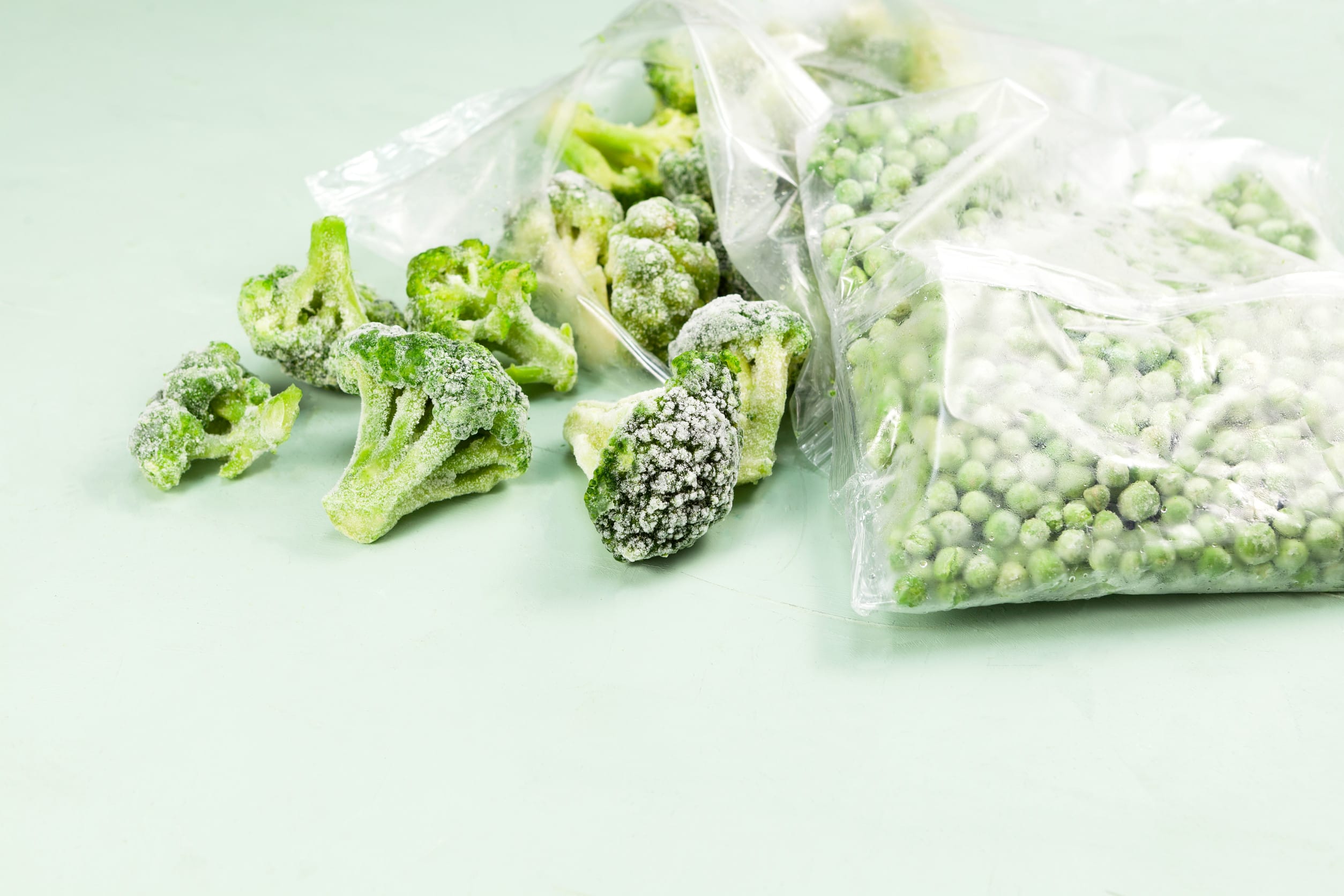
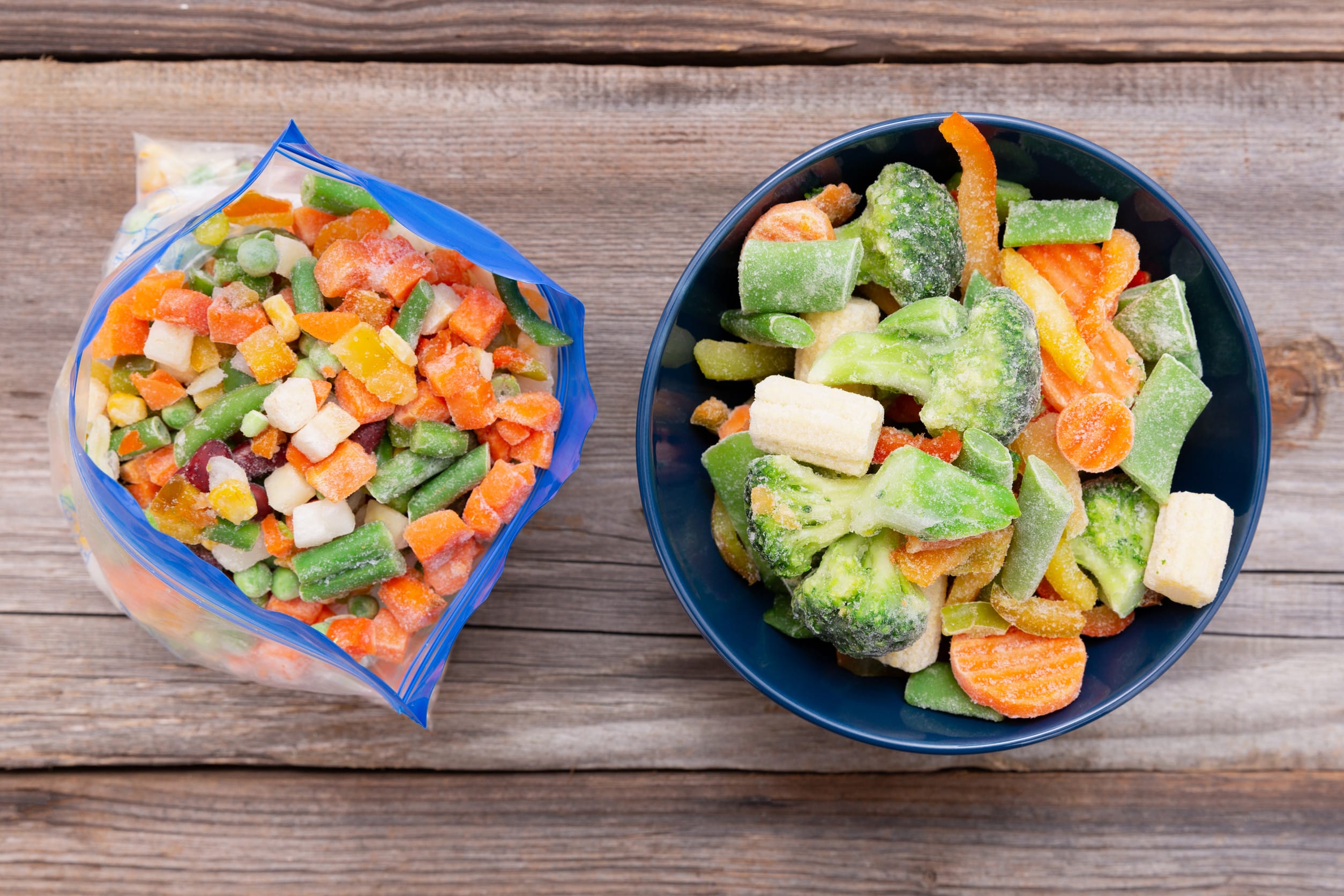
Frozen vegetables are often marketed as being “picked at peak freshness” and “flash frozen to lock in nutrients.” While this can be true in some cases, it’s not always the full story. Many factors—like harvesting practices, transportation, and storage—can affect the actual quality of what ends up in your freezer. Just because a bag says…
Cross-contamination occurs when a food product is accidentally tainted with allergens or bacteria from another source. For people with severe allergies, even trace amounts of these contaminants can cause life-threatening reactions. In recent years, the number of recalls related to cross-contamination has increased, often involving popular grocery items. These recalls not only create health risks…
You might think that buying two different brands means you’re getting two completely different products—but that’s not always the case. Many companies sell identical or nearly identical products under different labels, often at different price points. This practice, called brand repackaging or “private labeling,” is common in food, household goods, and even personal care items.…
Buying in bulk is often praised as a smart way to save money, reduce shopping trips, and keep your pantry stocked. But not every product benefits from sitting in large quantities on your shelves. Some items have shorter shelf lives than you might expect, and purchasing them in bulk can actually lead to waste rather…
Walk down any grocery store snack aisle, and you’ll find products proudly displaying labels like “natural,” “low-fat,” or “made with real fruit.” These claims sound reassuring, but they don’t always tell the full story. In reality, some so-called healthy snacks are packed with sugar, sodium, or artificial additives that can undermine your wellness goals. Food…
It’s no longer just expensive electronics or designer handbags ending up behind glass—now, some stores are locking up toothpaste. At first glance, this may seem like an overreaction, but toothpaste theft has become part of a bigger shoplifting trend affecting everyday items. Rising theft rates and organized retail crime have made even small, low-cost products…
Many people think frozen vegetables are completely safe from harmful bacteria, but that’s not always the case. While freezing stops bacteria from growing, it doesn’t necessarily kill it. This means that if the vegetables were contaminated before freezing, the bacteria can survive until they’re cooked—or eaten. Recent food recalls have shown that some frozen vegetables…
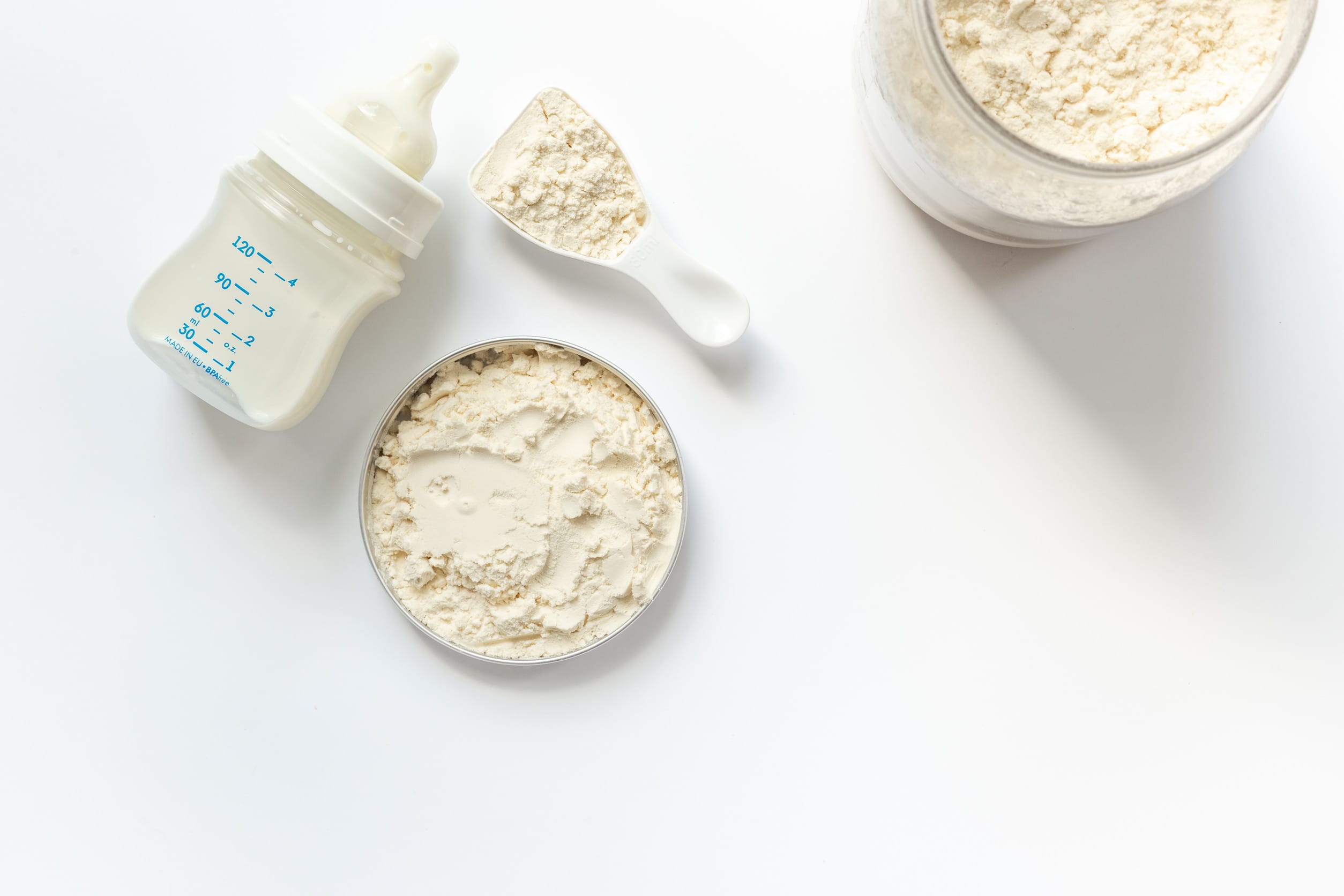
When a customer returns a shirt or a box of cereal, the store might reshelve it or process a refund without much thought. But returned baby formula is in a different category altogether. Because formula is a critical food source for infants, its safety is taken very seriously by both retailers and government regulators. A…
Companies spend millions building a recognizable brand, but sometimes, outside forces force them to change everything. Whether it’s a lawsuit, trademark dispute, or public backlash, product rebranding after legal trouble is more common than you might think. In some cases, the change is subtle; in others, it’s a complete overhaul of the name, logo, and…
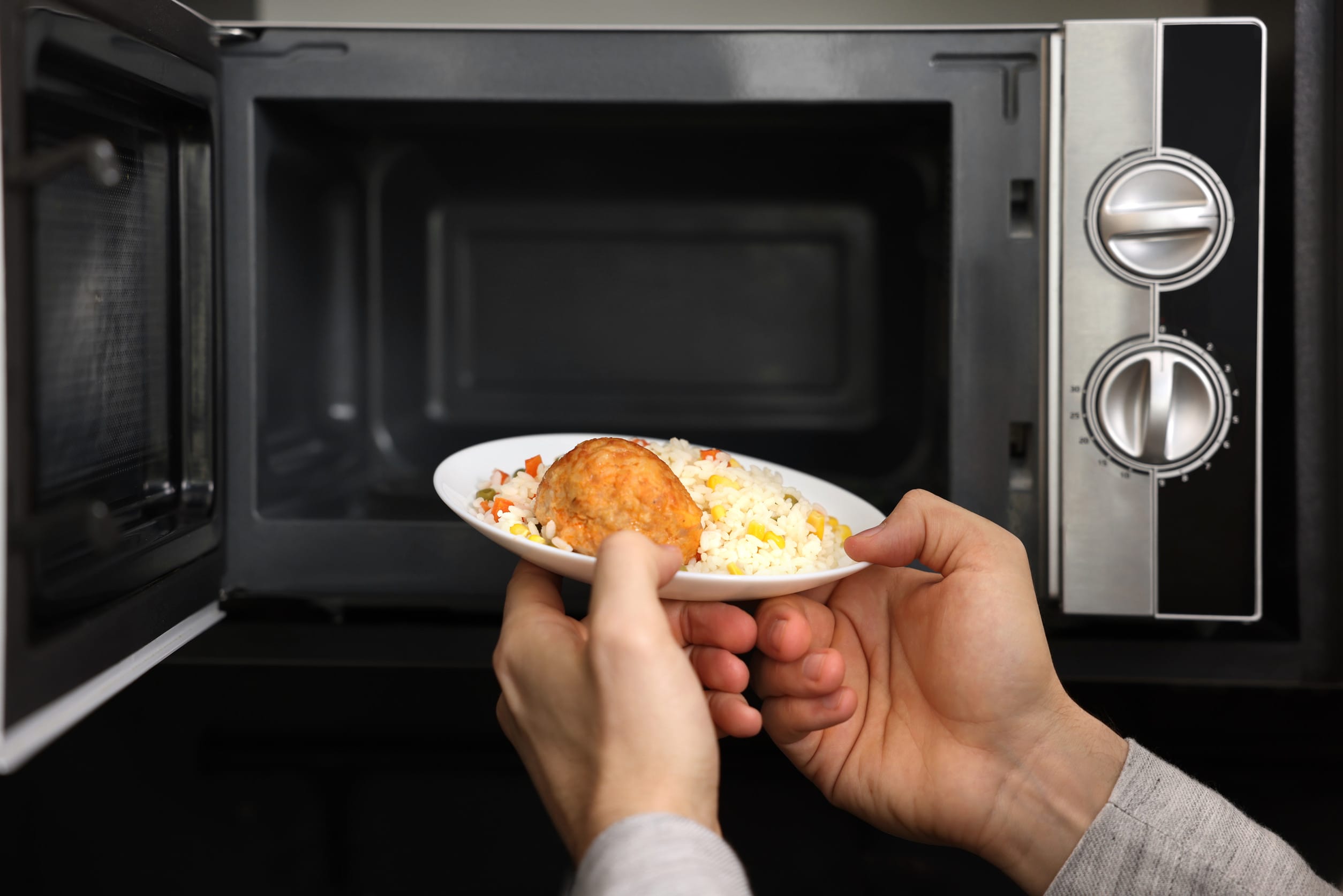
Microwaves make reheating quick and easy, but not every food is suited for the zap-and-go method. In fact, some items can change texture, lose flavor, or even pose safety risks when microwaved. Food manufacturers often include warnings for specific products because the results can be unappetizing—or worse, dangerous. Ignoring those recommendations can lead to messy…