
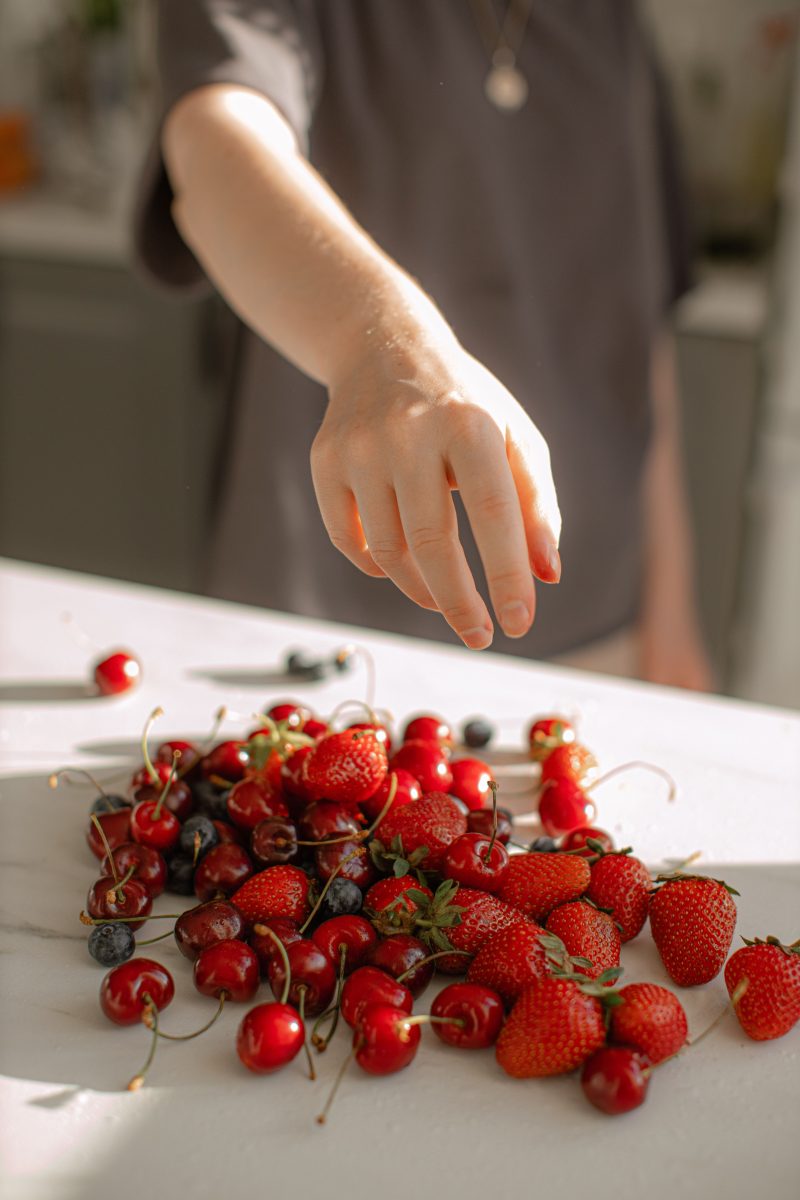
Fresh berries can be one of the most frustrating grocery purchases. You bring home a container of strawberries, blueberries, or raspberries, put it in the refrigerator, and expect to enjoy it throughout the week. Then a few days later, you find fuzzy mold, mushy fruit, or berries that look far less appealing than they did at the store. When fresh produce is expensive, throwing away half a container can feel like throwing away money.
One common mistake is washing berries before storing them and putting them away while they are still damp. Extra moisture can encourage mold growth, especially when berries are packed closely together and air cannot circulate freely. However, moisture is not the only factor. Damaged fruit, warm storage conditions, and a moldy berry hidden in the container can also speed up spoilage. A few simple changes can help you get more from the berries you buy.
Washing Berries Before You Put Them Away
It is tempting to wash an entire container of berries as soon as you get home so they are ready to eat. The problem is that berries have delicate skins and tiny crevices where water can collect. If they go into the refrigerator wet, that lingering moisture can create conditions that favor mold, particularly when the fruit is crowded into a container.
For most fresh berries, wait to wash them until just before eating or using them in a recipe. Refrigerate them promptly after bringing them home, and avoid leaving them sitting on the counter for extended periods. When you are ready to eat them, rinse them under clean running water and gently pat them dry with a clean paper towel if needed. This keeps the fruit convenient without adding moisture during storage.
Leaving One Moldy Berry in the Container
A single spoiled berry can affect the rest of the container, especially when the fruit is pressed together. Berries bruise easily during picking, shipping, and handling, and damaged areas can become places where mold develops. If a moldy berry remains among healthy ones, nearby fruit may deteriorate faster, turning a small problem into a larger waste of groceries.
Check your berries as soon as you unpack them and remove any fruit that is moldy, leaking, or badly crushed. Inspect the bottom of the container too, since juice and soft spots can hide beneath the top layer. If one berry has mold, discard it and carefully examine the surrounding fruit. If the container contains widespread mold or several berries are breaking down, it is safer to discard the affected batch rather than trying to salvage everything.
Keeping Berries in a Sealed, Moist Container
Berries need protection from excessive moisture, but they also need appropriate storage conditions. A tightly sealed container can trap condensation, particularly if the fruit was warm or damp when packed. On the other hand, leaving berries completely uncovered can expose them to drying air and odors from other foods. The goal is to limit moisture buildup without creating a damp environment.
The original container is often a reasonable place to store berries because many commercial packages have ventilation holes that allow some air movement. If the container is damaged or holds moisture, transfer the berries to a clean, dry container that allows ventilation, and line it with a dry paper towel if needed. Avoid packing the fruit tightly or pressing a lid directly against it. Check for condensation and replace a damp paper towel rather than allowing it to remain wet against the berries.
Putting Berries in the Wrong Part of the Refrigerator
Even correctly handled berries will spoil faster if they are stored too warm. Leaving them on the kitchen counter may be convenient, but fresh berries generally last longer when refrigerated promptly. A warm refrigerator door is also not ideal because its temperature changes whenever someone opens it. The fruit can lose quality more quickly if it is repeatedly exposed to warmer air.
Store berries in the main body of the refrigerator, where temperatures are generally more stable, rather than in the door. Keep the refrigerator at 40°F or below, and avoid placing berries directly beside raw meat or poultry where leaking packages could contaminate them. A refrigerator drawer can work well if it stays cold and does not trap excess moisture. The exact shelf life will vary by berry type, freshness at purchase, and storage conditions, so check the fruit regularly instead of relying on a fixed number of days.
Assuming All Berries Last the Same Amount of Time
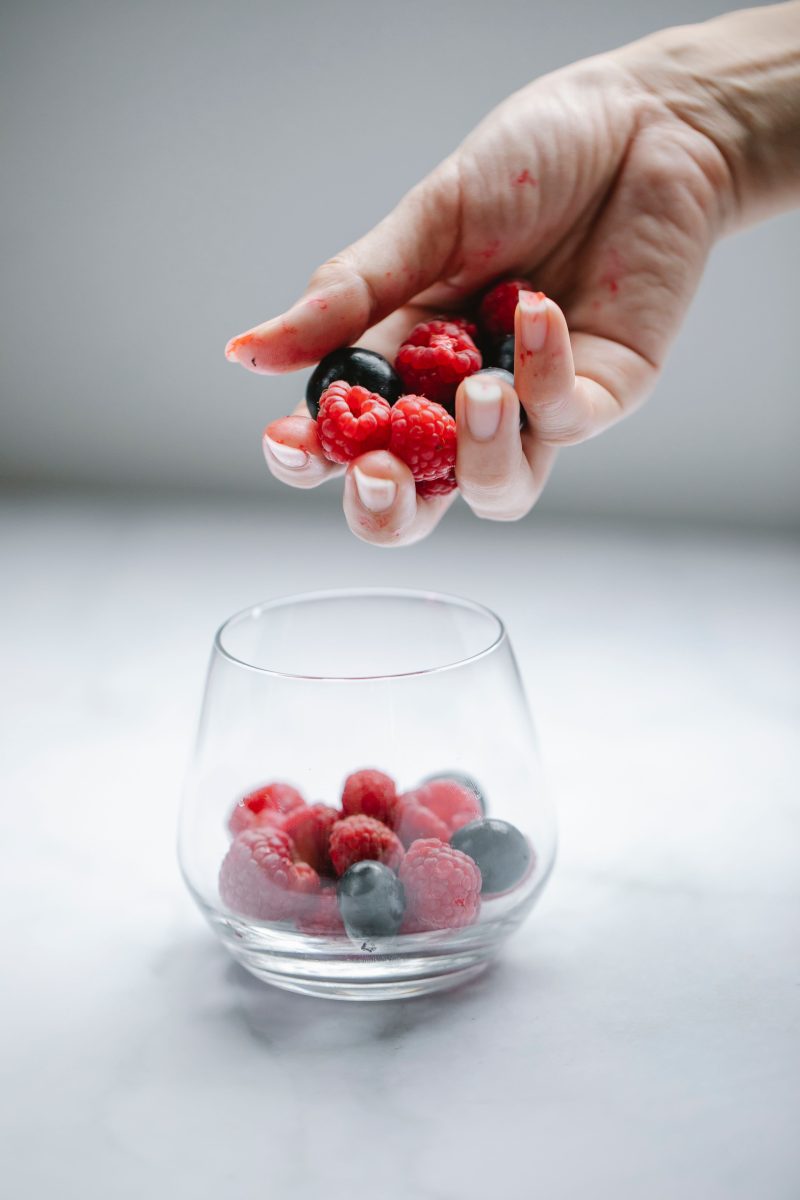
Different berries have different storage needs and levels of fragility. Raspberries and blackberries are particularly delicate and can deteriorate quickly, while blueberries often keep longer when fresh and handled carefully. Strawberries may last several days or longer depending on their condition when purchased, but bruising and moisture can shorten that window considerably.
Plan to eat the most delicate berries first rather than treating every container as if it will last through the week. When shopping, look for fruit that is firm, dry, and free of visible mold or leaking juice. Check the bottom of the package before putting it in your cart, since the top layer may look perfect while damaged berries are hidden underneath. If you know you will not eat the fruit soon, freezing some of it while it is still in good condition can prevent waste.
Trying to Save Berries That Have Already Spoiled
Not every soft berry is necessarily spoiled, but there is a difference between fruit that has lost firmness and fruit that shows clear signs of decay. A berry that is slightly wrinkled may still be usable, while one with fuzzy mold, a leaking surface, or an unpleasant odor should not be eaten. Cutting away the moldy part is not a reliable way to make a soft, moisture-rich berry safe.
Discard berries that are moldy, slimy, or noticeably decomposed, and avoid tasting them to determine whether they are safe. If only a few berries are past their best but the rest remain sound, remove the spoiled fruit and use the healthy ones promptly after washing them. Berries that are merely soft can often work in smoothies, sauces, or baking, provided they show no signs of spoilage. Using fruit at the right stage helps reduce waste without taking unnecessary food safety risks.
A Simple Routine That Helps Berries Last Longer
The best way to protect your berry budget is to keep the fruit dry during storage, refrigerate it promptly, and inspect it before the container goes into the refrigerator. Skip the pre-wash, remove damaged berries, and use a clean container that allows excess moisture to escape. These habits will not make berries last indefinitely, but they can reduce some of the common conditions that cause premature spoilage.
It also helps to buy the amount you can realistically eat. A large package may have a lower unit price, but that discount disappears if a portion ends up in the trash. If you find a good deal, freeze extra berries while they are fresh for smoothies, oatmeal, sauces, or baking. With a little planning, you can enjoy more of the fruit you paid for instead of discovering a moldy container at the back of the refrigerator.
What To Read Next
8 Foods You Should Stop Storing in Your Refrigerator Door
Don’t Waste Money on Bad Celery — This One Sign Tells You to Put It Back
USPS Holiday Shipping Just Got More Expensive — 5 Ways to Save