Shatel Huntley has a Bachelor's degree in Criminal Justice from Georgia State University. In her spare time, she works with special needs adults and travels the world. Her interests include traveling to off the beaten path destinations, shopping, couponing, and saving.
Energy bars are a popular snack for busy individuals, athletes, and those looking for a quick, convenient bite. However, not all energy bars are as healthy as they claim. Some are packed with protein and natural ingredients, while others contain excessive sugar, artificial additives, and unhealthy fats. Choosing the right bar can make a big…
Couponing is one of the best ways to save money on groceries, but for beginners, it can seem overwhelming. With so many deals, digital coupons, and store policies, getting started may feel complicated. However, with the right couponing strategies, anyone can cut their grocery bill significantly without spending hours hunting for deals. The key is…
Shopping for groceries at Dollar Tree might not be the first thing that comes to mind, but you’d be surprised by the variety of food items available. While the store is known for budget-friendly household goods, it also stocks an assortment of groceries, including name-brand products. If you’re looking to stretch your food budget, Dollar…
Timing your grocery shopping can make a huge difference in how much you save. Grocery stores follow predictable cycles for discounts, markdowns, and clearance pricing, making some days and times better than others for finding deep discounts. Whether you’re looking for markdowns on fresh produce, meat, or pantry staples, knowing when to shop can help…
Dollar General is a go-to store for budget shoppers, but did you know there’s a way to score items for just one cent? Known as “penny items,” these ultra-discounted products are hidden treasures savvy shoppers hunt for every week. These items aren’t advertised, but with the right strategy, you can find them and pay just…
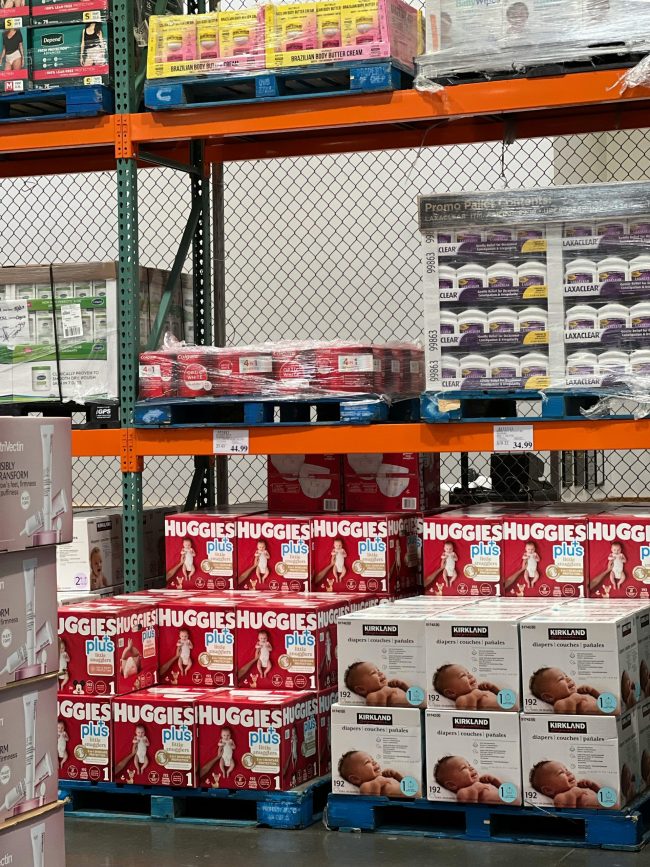
Costco is known for its bulk grocery deals, but some of its best savings come from non-food items. From household essentials to high-quality electronics, Costco offers impressive discounts that can save you money in the long run. Many of these products are priced significantly lower than traditional retailers, making them a smart buy for members.…
Cooking on a budget doesn’t mean sacrificing flavor or variety. With the right strategies, you can create satisfying meals using inexpensive ingredients and keep your grocery costs low. The key is to focus on versatile staples, use cost-effective cooking methods, and minimize waste. By making smart choices. Here are 15 genius ideas for cooking cheap…
Subscription meal services promise convenience, variety, and high-quality ingredients, but not all of them live up to expectations. While some offer delicious meals at reasonable prices, others leave customers disappointed with bland flavors, poor portion sizes, and steep costs. Many consumers sign up expecting restaurant-quality meals only to receive overpriced, uninspiring dishes. If you’re considering…
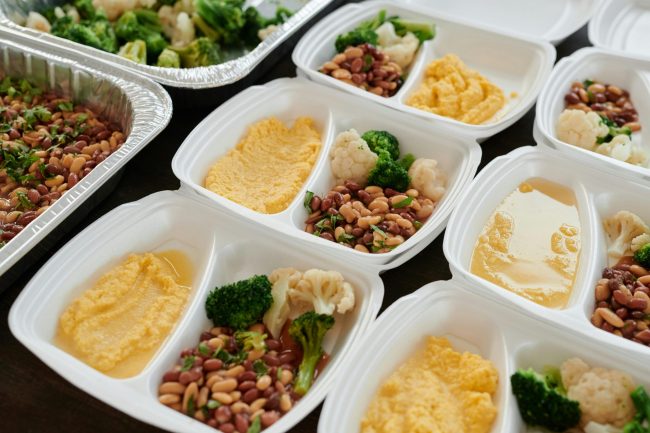
Pre-made dinners offer convenience, but not all of them are worth the price or the calories. Many grocery store frozen and packaged meals are loaded with sodium, preservatives, and artificial ingredients that can make them unhealthy and unappetizing. Some pre-made meals also fail to deliver on taste, leaving consumers disappointed with bland flavors and poor…
Stretching a tight budget while keeping your family well-fed can feel like a daunting task. However, with careful planning, it’s possible to make $50 last an entire week. By focusing on affordable staples, shopping strategically, and making the most of sales, you can craft a meal plan that is both nutritious and satisfying. The key…