Shatel Huntley has a Bachelor's degree in Criminal Justice from Georgia State University. In her spare time, she works with special needs adults and travels the world. Her interests include traveling to off the beaten path destinations, shopping, couponing, and saving.
If you have visited a Costco recently, you might have noticed a major change to the front end of the warehouse. The rows of self-checkout kiosks, once hailed as the future of retail efficiency, are slowly disappearing or being fundamentally altered in 2026. Costco leadership has quietly begun shifting away from the unsupervised self-checkout model…
In 2026, stability is the new luxury. The grocery market is currently experiencing localized volatility, where the price of eggs might spike 40% one month while beef stays flat, only for the roles to reverse the next month. Trying to meal plan in this environment is frustrating. However, certain foods are historically resistant to these…
Coupon fatigue is real. For every “extreme couponer” with a binder full of inserts, there are ten shoppers who simply do not have the time or energy to clip, sort, and scan. The good news is that you do not need to be a coupon power-user to save significant money. Grocery stores offer a layer…
If you have felt like it takes longer to earn a free tank of gas or a $5 reward voucher recently, you are not imagining it. Quietly and without much fanfare, major grocery chains across the country are adjusting the math behind their loyalty programs. The “spend-to-earn” ratios—the amount of money you need to spend…
For decades, the paper coupon was the undisputed king of grocery savings. The ritual of clipping, sorting, and stacking was the only way to significantly lower a food bill. Today, that ritual has been replaced by the tap of a smartphone screen. Loyalty apps promise personalized savings and effortless rewards, but many traditionalists argue that…
A discount sticker is not always a guarantee of a deal. Retailers use bright orange, yellow, and red stickers to trigger an impulse purchase, but sophisticated shoppers know that these stickers often hide the true story of the item’s pricing history. In 2026, finding a genuine bargain requires more than just spotting a clearance tag;…
Walk into a major supermarket or drugstore this season, and you might notice a new addition to the entryway: a sleek, touchscreen kiosk dedicated entirely to coupons. In an era where everyone seemingly has a smartphone, the installation of physical coupon stations seems like a step backward. However, retailers are doubling down on this “phygital”…
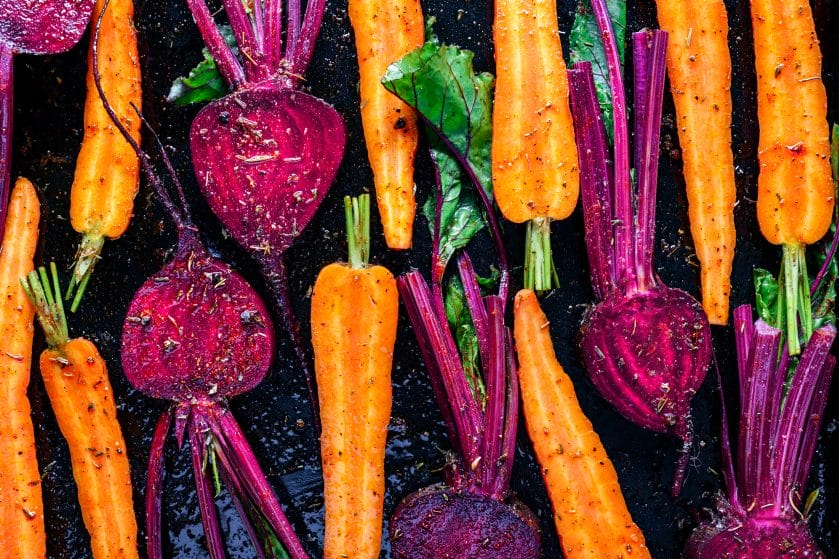
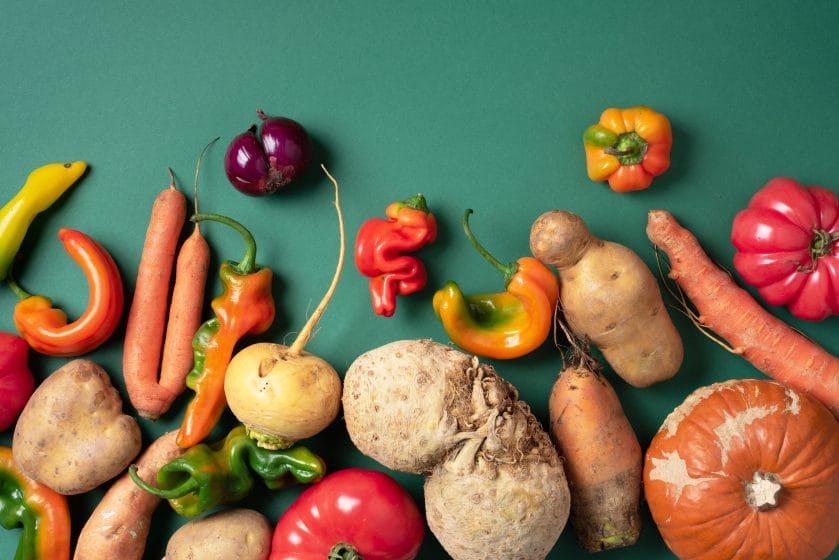
In the quest for visual perfection, American grocery stores have historically rejected billions of pounds of produce simply because it looked different. Apples with spots, carrots with twists, and peppers with odd shapes were discarded before they ever reached the consumer. However, in 2026, a major cultural and economic shift occurred. High food prices have…
Winter brings a unique set of expenses, from higher heating bills to post-holiday debt, making grocery savings more critical than ever. While many shoppers believe that couponing is a dead art, the reality is that winter offers some of the most lucrative “stacking” opportunities of the year. By combining manufacturer discounts with store-specific promotions and…
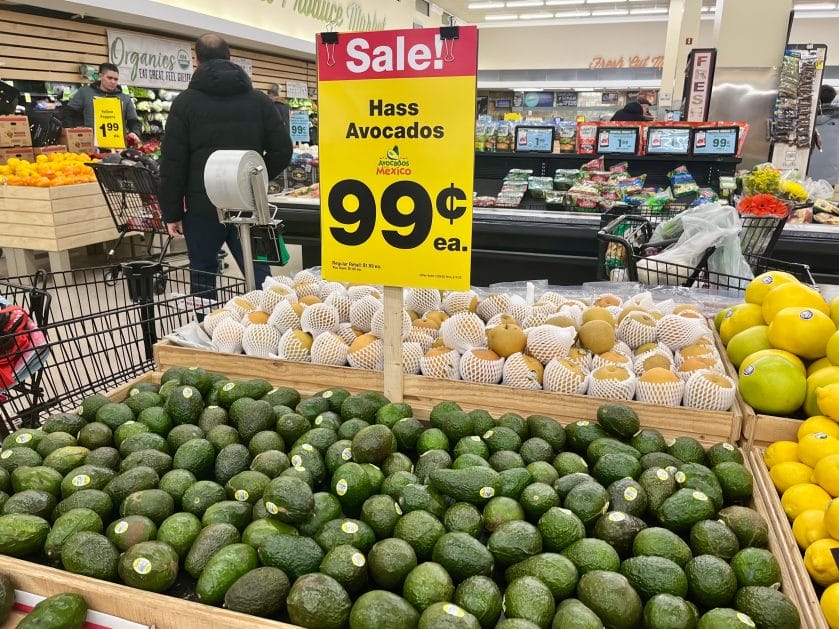
A bright yellow “Sale” tag does not mean what it used to. In an environment of persistent inflation, retailers have mastered the art of the “fake sale,” using psychological triggers to make standard prices feel like bargains. Shoppers walking the aisles today are bombarded with signs screaming “Low Price” and “Great Value,” but often these…
A bright yellow tag screaming SALE triggers a dopamine response in the brain. Retailers know this, and they have mastered the art of the fake sale. In 2026, dynamic pricing and sophisticated marketing make it harder than ever to distinguish between a genuine bargain and a price that has merely been dressed up to look…
Saving money on groceries is a trade, and like any trade, it requires the right tools. You wouldn’t try to build a house without a hammer, yet many people try to build a budget without the necessary equipment. Professional shoppers—those who consistently spend thirty percent less than the average consumer—rely on a specific kit of…
In 2026, the subscription economy has firmly taken root in the grocery sector. Programs like Walmart+, Kroger Boost, Amazon Prime Grocery, and Target Circle 360 are competing for your monthly fee. They promise free delivery, fuel savings, and exclusive discounts, usually for a price tag ranging from $59 to $139 a year. But with food…
The price of your groceries is not random. It follows a predictable rhythm dictated by seasons, supply chains, and marketing calendars. Retailers operate on a cyclical schedule where specific categories of food hit rock-bottom prices at the same time every year. By recognizing these six major pricing patterns, you can sync your pantry stocking with…
In the digital age, we assume that the smartphone app holds the key to the best savings. However, loyal shoppers at Kroger and its affiliate stores are discovering that the mailbox, not the phone, is currently the source of the highest-value discounts. While the retailer has pushed hard for digital adoption, their “Best Customer” paper…
In the hierarchy of grocery savings, stacking is the technique that separates the casual saver from the pro. While using a coupon is good, combining that coupon with a manufacturer’s rebate is how you get products for free or even make a profit on the transaction. Rebates differ from coupons because they are processed after…