Articles by Shay Huntley
Shatel (Shay) Huntley is a trusted grocery couponing expert with over 5 years of professional writing experience. She holds a BA in Criminal Justice from Georgia State University and has authored hundreds of practical articles on maximizing savings and inflation-beating hacks that help budget-conscious families slash grocery bills.
A Direct Support Professional honored with a 2025 Special Olympics award for empowering adults with special needs, Shay combines analytical rigor, real-world discipline, and empathy in every actionable tip she delivers.
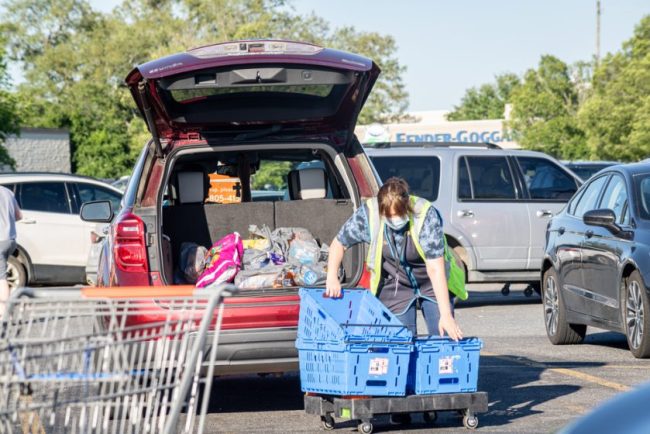
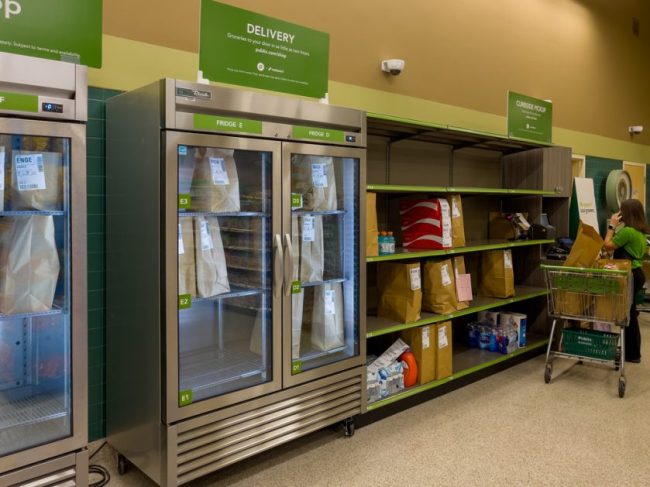
Ordering $80 worth of groceries online doesn’t necessarily mean you’ll pay $80 plus a simple delivery charge. Service fees, higher online item prices, small-order charges, subscriptions and other costs can make grocery delivery considerably more expensive than shoppers initially expect. Federal regulators have noticed. The Federal Trade Commission has spent much of 2026 examining how…
Walking down the center aisles of a modern supermarket can feel like navigating a minefield of flashing red discount tags, bold yellow clearance signs, and multi-buy promotions designed to trigger a sense of immediate urgency. Retailers know that shoppers are constantly looking for ways to stretch their budgets, making sale tags one of the most…
The air turns crisp, and grocery store aisles flood with autumn branding. Trader Joe’s treats the transition to cooler weather like a major holiday, rolling out dozens of limited-edition items that generate genuine internet frenzy. Navigating the seasonal shelves can easily lead to a cart overflowing with impulse buys. Evaluating which seasonal products deserve a…
Fresh produce, dairy, seafood, and frozen meals represent some of the highest-margin items in the modern supermarket, yet they are also the most vulnerable to catastrophic loss. For decades, maintaining the continuous temperature regulation known as the cold chain relied on manual spot-checks, paper logbooks, and reactive problem-solving. If a refrigerator compressor failed inside a…
For decades, checking out at the local supermarket meant navigating a predictable gauntlet of impulse buys. Racks of glossy tabloid magazines, plastic displays of standard candy bars, packs of chewing gum, and chilled bottles of soda competed for your attention during the final minutes of a shopping trip. These low-ticket items were engineered to extract…
For generations, culinary discovery followed a predictable path. Home cooks flipped through dog-eared cookbooks, clipped newspaper columns, or watched afternoon television programs before writing down ingredients on a paper pad and heading to the local supermarket. Today, that discovery loop has compressed into milliseconds. When you open TikTok or Instagram during your morning commute or…
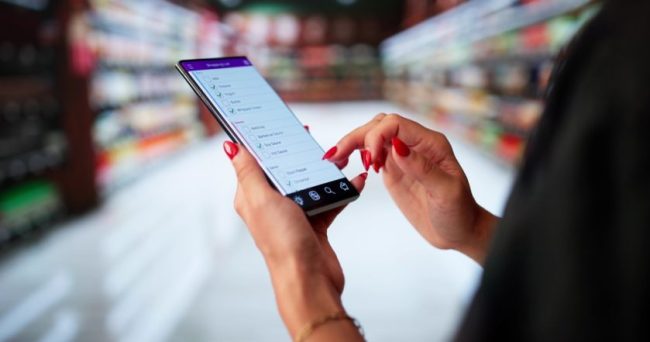
Walking down the supermarket aisle used to mean relying on a handwritten paper list, a wandering cart, and personal willpower to navigate shelves designed to tempt your impulses. Today, that physical navigation is increasingly guided, anticipated, and altered by invisible digital systems living right inside your smartphone. Predictive grocery apps have evolved far beyond basic…
For the better part of a century, the physical architecture of the traditional supermarket remained remarkably consistent. Real estate developers and grocery executives operated under a proven spatial philosophy centered entirely on in-store browsing. Sprawling asphalt parking lots directed human foot traffic toward bright, welcoming front entrances designed to pull shoppers past high-margin impulse displays,…
For decades, food packaging served a relatively straightforward purpose: protecting goods during transit, displaying product branding, and extending shelf life through basic plastic or paper barriers. Today, that static container is undergoing a technological metamorphosis driven by sensors, chemical indicators, and digital connectivity. Smart packaging innovations are rapidly entering the supply chain and consumer market,…
Driving through residential neighborhoods or suburban commercial strips reveals a quiet architectural shift that is rapidly altering the retail landscape. Buildings that once housed vibrant community supermarkets, local pharmacies, or bustling bookstores are being boarded up, painted in solid corporate colors, and turned into windowless distribution hubs. These facilities, commonly known as dark stores or…
For over a century, navigating a supermarket meant relying on an analog visual language of printed paper signs, swinging aisle markers, plastic sale banners, and cardboard shelf-talkers. These physical fixtures have long served as the primary navigation tools for shoppers weaving through grocery corridors. However, maintaining, updating, and replacing thousands of paper signs demands an…
For as long as modern supermarkets have existed, the weekly grocery trip has demanded a significant investment of human time and cognitive energy. Shoppers have traditionally juggled multiple steps: scanning the pantry, drafting paper lists, scrolling through cluttered grocery apps, manually comparing unit prices, and navigating checkout lanes. Today, that laborious routine stands on the…
Walking down the cooking oil aisle in 2026 can trigger a genuine moment of shock for home cooks accustomed to picking up a bottle of extra-virgin olive oil without a second thought. Price tags that once hovered around a modest ten dollars for a large glass bottle have doubled or even tripled in many supermarkets.…
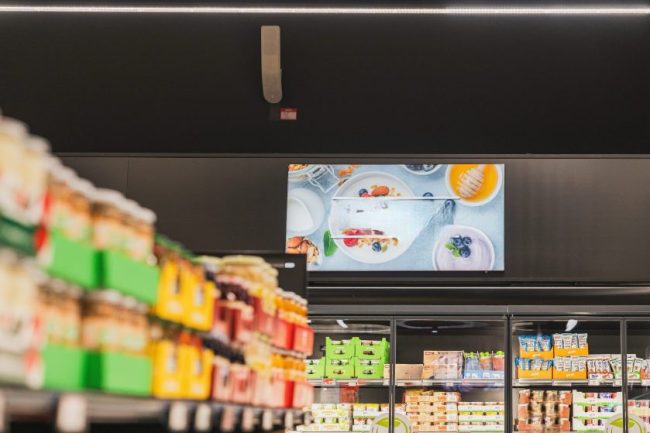
For generations, walking down the grocery store aisle was a relatively analog experience. Shoppers pushed carts past static cardboard endcaps, paper promotional banners, and printed shelf tags that remained unchanged for weeks at a time. The walls and floors of the supermarket were physical spaces dedicated exclusively to wayfinding and product display. Today, that traditional…
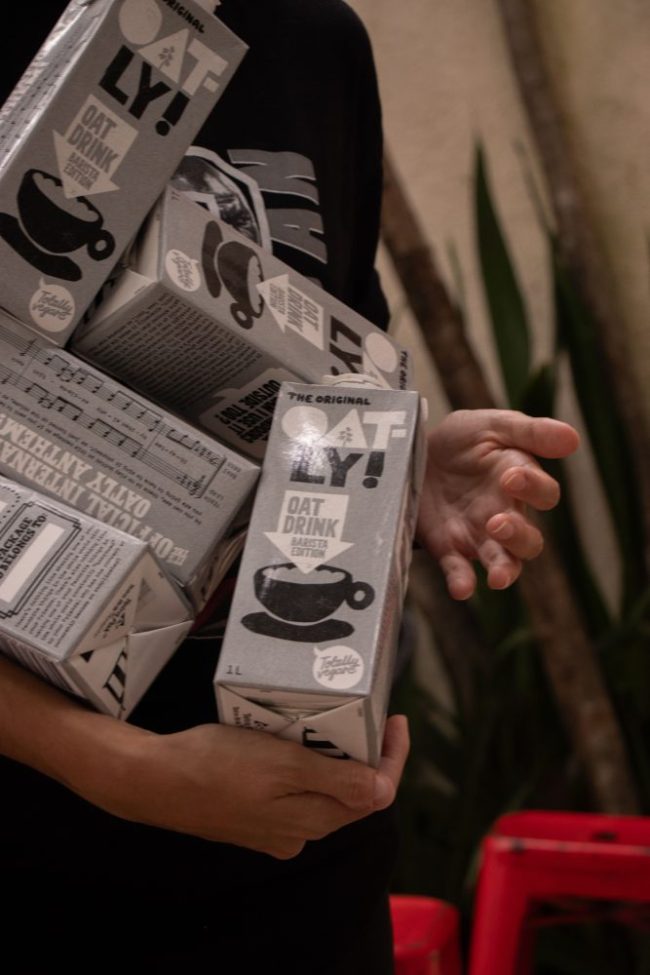
Walking down the refrigerated beverage aisle of any modern supermarket reveals a massive wall of plant-based milks, creamers, and yogurts competing for your attention. Colorful cartons boast an array of bold claims, promising everything from superior calcium levels to a creamy, barista-approved foam without a single drop of animal dairy. For shoppers trying to incorporate…
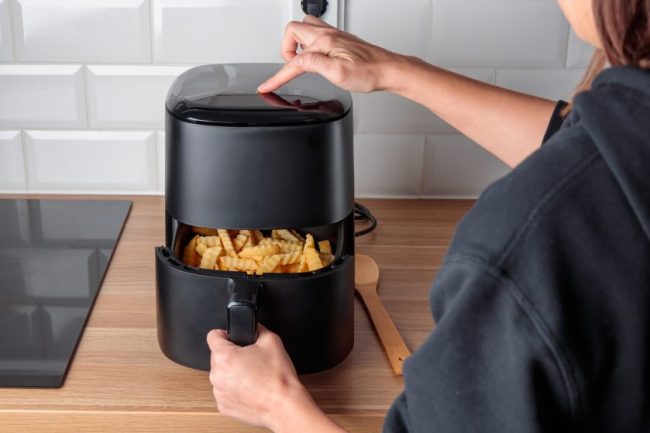
The kitchen countertop appliance revolution changed home cooking forever, turning everyday kitchens into mini-restaurants capable of producing ultra-crispy foods with minimal oil. Along with this appliance boom came a massive wave of specialized grocery products designed specifically for rapid countertop convection cooking. Walk down the frozen aisle of any major supermarket, and you will see…